

Bottom Line: 6–8 Months Old Is the Ideal Age for Spaying or Neutering
The standard recommendation is to spay or neuter your cat at 6 to 8 months of age. For female cats, performing the surgery before the first heat cycle dramatically reduces the risk of mammary tumors later in life. For males, neutering around six months helps curb spraying behavior and aggression before these habits become ingrained. While some early-spay programs operate as young as eight weeks, most veterinarians agree that the six-to-eight-month window strikes the best balance between surgical safety and preventive benefit. Talk to your vet about the ideal timing for your individual kitten, especially if they are a large breed that matures more slowly.
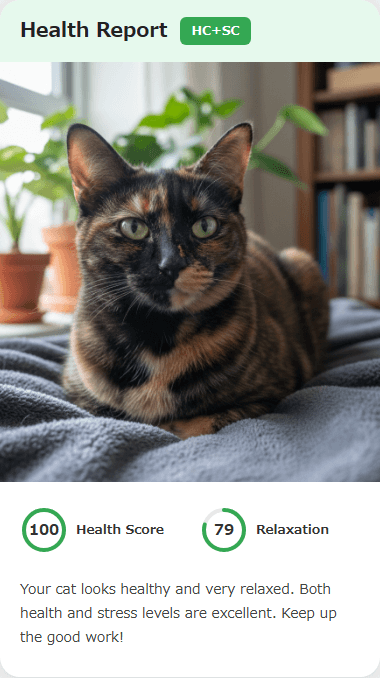

Catch problems before they start
Daily health tracking makes early detection possible. CatsMe logs changes automatically so small shifts don't slip past you.
Used by 380,000+ cat owners in 50 countries


Benefits of Spaying and Neutering
Health Benefits
Spaying a female cat reduces the risk of mammary tumors by roughly 90% and effectively prevents pyometra (uterine infection) and ovarian tumors. Neutering a male cat prevents testicular cancer and prostate disorders while also lowering the chance of contracting FIV (feline immunodeficiency virus) through fight wounds.
Behavioral Benefits
Loud yowling during heat cycles, the urge to escape outdoors, and urine spraying (territorial marking) all decrease significantly after surgery. In multi-cat households, fights between cats become less frequent, making cohabitation much smoother. Overall, spayed and neutered cats tend to be calmer, more affectionate companions.
Cost Estimates
Costs vary by region and clinic, but here are typical price ranges in Japan.
Female (spay): Around 20,000–40,000 yen (abdominal surgery)
Male (neuter): Around 10,000–20,000 yen (a relatively quick procedure)
These figures may or may not include the pre-surgical blood work, anesthesia, and overnight stay — always confirm what is covered in the quoted price. If your cat is enrolled in pet insurance, part of the surgical cost may be reimbursed, so check your policy in advance. Some local governments also offer subsidy programs that can offset the expense. Low-cost spay/neuter clinics run by animal welfare organizations are another option worth exploring.
Post-Surgery Care Tips
After surgery, your cat should wear an Elizabethan collar (e-collar) for 1 to 2 weeks. Licking the incision site can cause infection or suture failure, so the cone is truly non-negotiable.
For the first 24 hours at home, offer only small amounts of water and food, and keep your cat resting in a quiet space. Because metabolism slows after the procedure, spayed and neutered cats are prone to weight gain — consider switching to a post-surgery formula designed for sterilized cats. Suture removal is typically scheduled 7 to 10 days after the operation. If you notice persistent swelling, bleeding, or loss of appetite around the incision, contact your veterinarian promptly.
Carelogy Home Visits for Post-Surgery Support
If you are worried about how the incision looks, or your cat still is not eating a few days after surgery, Carelogy's mobile veterinary service can help. A veterinarian will come to your home to examine your recovering cat in person, provide tailored advice, and handle follow-up care — all without the stress of transporting a post-surgical pet to a clinic. It is a convenient way to get professional reassurance during those anxious first days of recovery.
Step-by-Step Guide: What Happens on Surgery Day
Understanding what happens on surgery day helps reduce owner anxiety and ensures you are fully prepared for each step of the process.
Morning (before arrival): Confirm your cat has been fasting since midnight the night before. Water is typically withheld from early morning. Never skip this step — food in the stomach during anesthesia can cause life-threatening aspiration.
Check-in at the clinic: You will sign a consent form acknowledging the risks of anesthesia and surgery. Provide an emergency phone number so the clinic can reach you during the procedure. This is also the time to ask any last questions about what to expect.
Pre-surgical examination: The veterinarian performs blood work, checks heart rate, and takes a temperature reading. For older cats or those with health concerns, additional diagnostics such as X-rays or an electrocardiogram may be added. These tests confirm your cat is safe to undergo general anesthesia.
The surgery itself: A spay (female) typically takes 30 to 60 minutes, while a neuter (male) takes 15 to 30 minutes. Your cat is under full general anesthesia and feels no pain during the operation. The surgical team monitors vital signs continuously.
Recovery and observation: After the procedure, your cat wakes in a warm, monitored recovery area. Most neuters go home the same day; spays often stay overnight for observation. The clinic will call you when your cat is ready for pickup.
Discharge and home care: You will receive the e-collar, any prescribed pain medication, and detailed aftercare instructions. Make sure you understand the medication schedule, incision care routine, and warning signs that require an immediate callback. Having a quiet, prepared recovery space at home before you leave for the clinic makes the transition much smoother.
Common Mistakes to Avoid Before and After Surgery
Spaying and neutering are routine procedures, but owner mistakes before and after surgery can lead to complications that are entirely preventable.
Mistake 1: Breaking the fasting rule
If your cat eats before anesthesia, vomiting during the procedure can cause aspiration pneumonia — a serious and sometimes fatal condition. No food or treats after midnight the night before. If you have multiple cats, separate them at feeding time to ensure the surgical patient does not sneak a meal from another bowl.
Mistake 2: Removing the e-collar too early
Many owners feel guilty about the cone and take it off, but even a few minutes of unsupervised licking can introduce bacteria into the incision or pull sutures apart. Keep the collar on for a minimum of 7 to 10 days — no exceptions. If your cat truly cannot tolerate a traditional cone, ask your vet about inflatable or soft fabric alternatives.
Mistake 3: Allowing vigorous activity too soon
Running, jumping, and rough play in the first week can reopen the incision or cause internal swelling. Block access to cat trees and high shelves, and confine your cat to a single small room during recovery. Gentle interaction and quiet company are fine, but physical exertion is not.
Mistake 4: Ignoring post-surgery diet adjustments
Because metabolism slows after sterilization, continuing to feed the same portions leads straight to weight gain. Begin transitioning to a sterilized-cat formula or reducing portion sizes within 2 to 3 months of surgery. Weigh your cat monthly and adjust as needed — preventing obesity is far easier than reversing it.
Seasonal Considerations for Spay and Neuter Surgery
While spay and neuter surgery can be performed year-round, each season brings unique considerations that owners should factor into their planning.
Spring (before breeding season): Female cats often experience their first heat cycle between 5 and 8 months of age, meaning spring-born kittens typically reach surgical age by autumn or winter. However, if you wait too long and your cat enters heat, the surgery may need to be postponed because increased blood flow to the reproductive organs raises surgical complexity. Book your appointment early to stay ahead of the cycle.
Summer: Hot, humid conditions increase the risk of incision-site infection because the wound area can become damp and warm — an ideal environment for bacteria. Keep the recovery room air-conditioned at 25 to 27 degrees Celsius, and make sure the area around the e-collar allows adequate airflow. Combine post-surgical care with your regular heatstroke prevention routine to keep your cat comfortable.
Autumn: Veterinary clinics tend to be less busy after the spring vaccination rush, making appointments easier to schedule. Mild, stable temperatures create ideal conditions for post-surgical recovery, making autumn arguably the best season for elective procedures.
Winter: The primary concern is post-anesthesia hypothermia. Cats recovering from surgery have a temporarily impaired ability to regulate body temperature. Maintain proper winter room temperatures and provide a warm, draft-free bed. Be cautious with heated blankets and floor mats — prolonged direct contact can cause low-temperature contact burns on sensitive post-surgical skin.
Prevention starts with noticing early
The best time to catch a problem is before it grows. CatsMe logs daily health scores so small changes never go unnoticed.
避妊手術去勢手術猫の手術発情期対策繁殖制限
FAQ
 CatsMe
Be ready the moment you sense something's off
Take one photo and the AI reads pain and condition from your cat's expression. Check the moment you wonder, and share the record with your vet.