

H5N1 Bird Flu in Cats: Why It's a Growing Concern in 2026
Highly pathogenic avian influenza (HPAI) H5N1 has emerged as one of the most serious infectious disease threats to domestic cats in recent years. Since 2023, at least 97 domestic cats in the United States alone have tested positive for H5N1, with a fatality rate of approximately 67–70% — making it one of the deadliest viral infections cats can contract.
Why this is happening now:
The 2024–2026 H5N1 outbreak in US dairy cattle fundamentally changed the risk landscape for cats. Over 900 dairy farms across the country confirmed infections in their herds. Cats living on or near these farms contracted the virus by drinking infected raw (unpasteurized) milk or consuming contaminated dairy products. Barn cats, feral cats, and even some indoor cats have been affected.
Before the dairy cattle connection, most feline infections were linked to eating infected wild birds — pigeons, songbirds, and waterfowl. That route remains active, but the dairy pathway has dramatically increased exposure.
Why cats are particularly vulnerable:
- Cats have abundant α-2,3-linked sialic acid receptors in their respiratory tract — the exact receptors H5N1 binds to
- Their natural hunting instincts lead them to catch and eat infected birds
- The virus readily crosses into the brain, causing devastating neurological damage
- Progression from first symptoms to death can be as rapid as 2–5 days
- Unlike some mammals, cats show very high viral loads once infected
Cases have been confirmed not just in the US but also in Poland (over 70 cats in 2023), South Korea, Japan, and across Europe. This is a global threat, not a regional one.
If you own a cat, awareness of the warning signs — rapid breathing, seizures, sudden loss of appetite — could save your cat's life. The following sections cover everything you need to know to protect your feline companion.
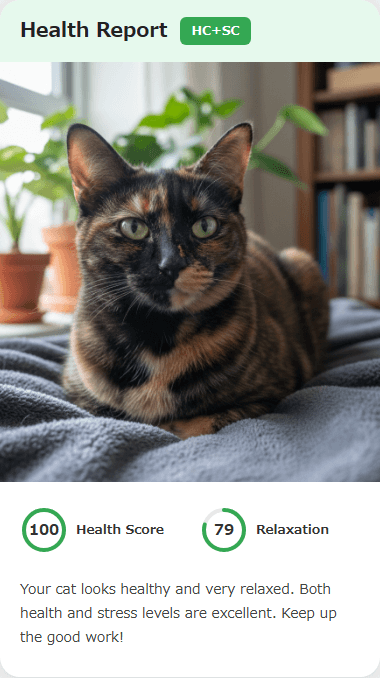

Worried about these symptoms?
You just read the warning signs — now is the moment to start watching daily.
Don't wait and wonder. CatsMe's AI analyzes your cat's photo to flag health concerns in seconds.
Used by 380,000+ cat owners in 50 countries


How Do Cats Get Infected with Bird Flu?
Understanding how cats contract H5N1 is the first step toward prevention. There are four primary transmission routes, and every cat owner should be aware of all of them.
1. Eating infected birds (most common route)
Outdoor cats that hunt and consume wild birds — pigeons, sparrows, ducks, crows, and waterfowl — are at highest risk. Birds infected with H5N1 are often weak and disoriented, making them easy prey for cats. The virus concentrates heavily in bird organs, blood, and feathers. A single meal of an infected bird can deliver a massive viral dose.
2. Raw (unpasteurized) milk and dairy products
This became the dominant infection pathway from 2024 onward. Infected dairy cows shed enormous quantities of H5N1 virus in their milk. Farm cats that drank raw milk from infected herds were devastated — some farms lost every cat. Commercially pasteurized milk is safe, but never feed raw milk, raw cheese, or unpasteurized dairy to your cat.
3. Raw meat and raw food diets
Feeding cats raw poultry (raw chicken, turkey, or duck) carries risk if the poultry was infected. While commercial poultry undergoes inspection, no system catches every case. Raw pet food diets that include uncooked poultry should be reconsidered during the current outbreak.
4. Indirect environmental contact
The virus can survive on surfaces for hours to days, depending on temperature and humidity. Owners who handle dead birds, work on poultry farms, or visit dairy operations can carry the virus home on their hands, shoes, and clothing. Bird droppings on balconies or near windows are another potential source.
Even indoor cats are not completely safe:
- Owners bringing the virus home on clothing or shoes
- Raw food diets containing contaminated poultry
- Contact with birds that enter the home or land on balconies
- Contaminated bird droppings near open windows
The takeaway: the virus has more pathways to reach cats than most owners realize. Daily health monitoring through tools like regular health checks becomes especially important during outbreak periods.
Symptoms of H5N1 in Cats
Symptoms of H5N1 in cats are severe, rapid in onset, and often fatal. The incubation period is typically 2–5 days from exposure, and once symptoms appear, the disease can progress to death within just a few days.
Neurological symptoms (most characteristic):
- Seizures — generalized or partial, often the first obvious sign
- Loss of coordination and balance (ataxia) — stumbling, falling, inability to walk straight
- Head tilting and circling behavior
- Sudden blindness with dilated, unresponsive pupils
- Muscle tremors and involuntary movements
Neurological signs are the hallmark of H5N1 in cats because the virus aggressively invades brain tissue. In many fatal cases, brain inflammation (encephalitis) is the primary cause of death.
Respiratory symptoms:
- Difficulty breathing / respiratory distress — labored, rapid, or open-mouth breathing
- Nasal discharge, sneezing
- Panting — highly abnormal in cats at rest
- Signs of pneumonia (wet cough, crackling lung sounds)
Systemic symptoms:
- High fever (above 40°C / 104°F)
- Sudden and complete loss of appetite
- Severe lethargy — cat is limp, unresponsive, or hiding
- Diarrhea, vomiting
- Sudden death — some cats die before showing any obvious clinical signs
Typical progression timeline:
| Day | What to expect |
|-----|---------------|
| Day 1 | Fever, mild lethargy, decreased appetite |
| Day 2 | Respiratory distress, nasal discharge, profound lethargy |
| Day 3–4 | Neurological signs appear (seizures, ataxia, blindness) |
| Day 4–5 | Multi-organ failure, highest mortality risk |
Critical note: Cats instinctively hide illness. By the time you notice something is "a little off," the infection may already be advanced. Any deviation from normal behavior during an active outbreak period should prompt an immediate phone call to your veterinarian — not a wait-and-see approach.
What to Do If You Suspect Your Cat Has Bird Flu
If you suspect your cat may have H5N1, the response protocol is fundamentally different from a normal vet visit. Biosecurity — preventing the virus from spreading to other animals or people — must be your top priority.
Step 1: Call first — do NOT walk in
- Do not take your cat to the vet clinic without calling ahead. An H5N1-infected cat in a waiting room could expose every animal and person there. This is not like a normal illness.
- Call your veterinarian, describe the symptoms (neurological signs, respiratory distress, recent potential exposure)
- Follow their instructions for how and whether to bring the cat in. Many clinics will arrange a separate entrance or come to your car.
Step 2: Isolate the cat immediately
- Separate the cat from all other pets and family members
- Confine to a single room with the door closed
- Open a window for ventilation (secure it so the cat cannot escape)
- Do not allow other animals to share food bowls, litter boxes, or bedding
Step 3: Use personal protective equipment (PPE)
- Wear an N95 mask (or at minimum a surgical mask) and disposable gloves when handling the cat or cleaning the room
- If no gloves are available, use plastic bags as a temporary substitute
- Wash hands thoroughly with soap and water after any contact
- Change and launder clothing immediately after handling the cat
- Disinfect surfaces with standard household bleach solution (1:10 dilution)
Step 4: Contact animal health authorities
- In the US: Report to your state veterinarian's office or USDA APHIS (Animal and Plant Health Inspection Service)
- In Japan: Contact your prefectural livestock hygiene service center (家畜保健衛生所)
- In the EU: Contact your national veterinary authority
- These agencies can arrange proper testing (PCR for influenza A / H5N1)
Cat-to-human transmission risk:
As of 2026, no confirmed case of cat-to-human H5N1 transmission has been documented. However, the theoretical risk is non-zero. The CDC recommends avoiding close contact with pets suspected of infection — no kissing, no sharing sleeping spaces, no direct contact with respiratory secretions. Immunocompromised individuals, the elderly, and pregnant women should take extra precautions.
How to Protect Your Cat from H5N1
As of April 2026, there is no approved H5N1 vaccine for cats. Research is underway in the United States and Europe, but no timeline for availability has been announced. Until a vaccine exists, prevention depends entirely on reducing your cat's exposure to the virus.
Most important: Keep your cat indoors
- Outdoor cats face dramatically higher infection risk than indoor cats — the difference is measured in orders of magnitude
- The period from autumn through spring, when migratory bird activity peaks, is especially dangerous
- If your cat is accustomed to going outdoors, transition gradually to indoor living (see our guide on indoor cat enrichment)
- Even supervised outdoor time (leash walks, catios) carries some risk during active outbreaks in your area
Food safety measures:
- Never feed raw chicken, raw poultry liver, or raw poultry of any kind
- Discontinue raw food diets (BARF/raw feeding) that include uncooked meat during the outbreak
- Never provide raw (unpasteurized) milk or dairy products
- Commercial cat food (heat-processed kibble and canned food) is safe — pasteurization and cooking destroy the virus
Environmental precautions:
- If you find a dead bird, do not touch it with bare hands — report it to local wildlife authorities
- Regularly check balconies, windowsills, and patios for bird droppings and clean with disinfectant
- Remove bird feeders during avian influenza outbreaks (they concentrate wild birds and increase viral spread)
- Reinforce escape prevention measures on windows and doors
Owner hygiene — especially if you work with animals:
- If you work on a poultry farm, dairy operation, or wildlife facility, change clothes and shoes before entering your home and wash hands thoroughly before touching your cat
- Leave work shoes outside or in a sealed bag at the entrance
- After birdwatching, hiking, or any activity involving wildlife areas, wash hands before interacting with your cat
Multi-cat household precautions:
- If one cat shows suspicious symptoms, isolate immediately from all other cats
- Use separate food bowls, water dishes, and litter boxes
- When adopting a new cat, enforce a 2-week quarantine period before introduction
Vaccine outlook: US and European researchers are actively developing feline H5N1 vaccines, including both inactivated and mRNA platforms. However, regulatory approval is likely still years away. For now, the prevention measures above are your best — and only — defense.
Age-Specific H5N1 Risk Factors and Precautions
H5N1 risk levels and disease progression speed vary by age. Understanding the specific vulnerabilities at your cat's life stage helps you take appropriately targeted precautions.
Kittens (0-1 year):
- Immature immune systems mean that infection carries an even higher fatality rate than in adult cats
- Disease progression can be extremely rapid, with deterioration possible within hours of symptom onset
- If feeding raw poultry (BARF/raw food diets), discontinue immediately regardless of source or supplier
- If a nursing mother cat becomes infected, transmission to nursing kittens is a significant risk
- Maintain strict indoor-only living for kittens and minimize all external contact
Adult cats (1-7 years):
- This is the age group most likely to have outdoor access, creating the highest wildlife encounter risk
- Hunter cats with a tendency to catch birds are at extremely elevated risk — even a brief encounter with an infected bird can be fatal
- Active cats are also the most likely to escape — reinforce escape prevention measures
- Even healthy adult cats face an approximately 67-70% fatality rate when infected
Senior cats (7+ years):
- Age-related immune decline increases both infection susceptibility and disease severity
- Pre-existing conditions such as chronic kidney disease or heart disease may limit available antiviral treatment options
- Respiratory symptoms may be difficult to distinguish from worsening of chronic conditions
- If respiratory symptoms appear, do not assume they are related to an existing condition — consider H5N1 as a possibility and act accordingly
Multi-cat household concerns:
- If one cat becomes infected, the transmission risk to housemates is extremely high
- In mixed-age households, prioritize protection of kittens and senior cats as the most vulnerable
- Isolate any cat with suspicious symptoms immediately and provide completely separate food bowls and litter boxes
- Disinfect with sodium hypochlorite (household bleach diluted 1:10) after handling the isolated cat or cleaning its area
Use CatsMe to track each cat's daily health score, and if even one cat shows changes, immediately check the status of all household members.
Prevention & Long-Term Management in the Bird Flu Era
As H5N1 continues to spread globally, building a long-term risk management framework is essential for all cat owners.
Make information gathering a regular habit:
- Monitor the Ministry of Agriculture (MAFF) highly pathogenic avian influenza updates regularly
- In the US: Follow CDC and USDA APHIS bird flu update pages
- Discuss the current H5N1 situation with your veterinarian during regular checkups
- Check CatsMe's news and health alert features for cat-relevant updates
Create an emergency response plan in advance:
- Prepare a specific action plan for what you will do if an avian influenza outbreak is reported in your area
- Essential supplies checklist: N95 masks, disposable gloves, bleach for disinfection, cat isolation supplies
- Emergency contact list: regular veterinarian, emergency animal hospital, regional livestock health authority
- For multi-cat households, plan isolation space logistics before an emergency occurs
Food stockpile matters:
- Maintain at least a 2-week supply of cat food at all times in case movement restrictions are implemented
- Stock at least 2 weeks of cat litter as well
- Ensure cats on chronic medications have an adequate reserve supply
Community-level awareness:
- If neighbors allow cats outdoors, gently share information about H5N1 risks to outdoor cats
- Connect with local TNR (trap-neuter-return) organizations to share H5N1 risk information
- Report dead birds to local authorities as a standard practice — this contributes to surveillance efforts that protect everyone
Vaccine development status update (April 2026):
- United States: Inactivated virus and mRNA vaccine candidates are in active development
- Europe: Early-stage clinical trials are underway
- Timeline for regulatory approval remains uncertain, but progress is being closely monitored by veterinary authorities worldwide
- For now, prevention measures (indoor living + food safety + hygiene) remain the only available defense
Maintaining daily health monitoring and acting immediately when you sense something is different from normal is the best way to protect your cat in this new era of emerging infectious disease threats.
CatsMe App: Monitor Your Cat's Health Daily
With a disease as deadly and fast-moving as H5N1, early detection can mean the difference between life and death. The CatsMe app provides the tools you need to catch the subtle early signs that something is wrong — before it becomes an emergency.
Daily health check features:
- AI-powered facial analysis detects subtle changes in your cat's expression and demeanor that human eyes might miss
- Track your cat's "health score" over time with easy-to-read trend graphs
- Receive automatic alert notifications when the health score drops unexpectedly
Symptom logging and tracking:
- Record appetite, energy level, and breathing patterns daily with simple taps
- Visualize behavioral changes over time — a timeline view makes it easy to spot when things started going wrong
- Generate detailed health reports automatically — invaluable when explaining symptoms to your vet over the phone
Emergency symptom checker:
- Input symptoms like seizures, breathing difficulty, or sudden lethargy, and the app assesses urgency level
- Clear three-tier guidance: "Emergency vet NOW," "Same-day vet visit," or "Monitor at home"
- Search for the nearest emergency veterinary hospitals in your area
How to use CatsMe specifically for bird flu preparedness:
1. Make daily health checks a habit — it takes just one minute each morning
2. At the first sign of any change, use the symptom checker for immediate guidance
3. Having a baseline of normal health data makes it dramatically easier to spot when something deviates
4. When calling your vet, reference your app data to provide an accurate, detailed symptom timeline — this helps the vet assess urgency and prepare for your arrival
H5N1 progresses so rapidly that the moment you notice something is "off" may be the most important moment in your cat's life. Building a daily health data history with CatsMe means subtle changes are far less likely to slip through the cracks. In an era where bird flu is an ever-present threat to cats, proactive daily monitoring is not just helpful — it is essential.
Caught something concerning? Keep a record.
If these symptoms return, a record helps your vet act faster. CatsMe logs your cat’s daily health score so you can show exactly what changed — and when.
鳥インフルエンザH5N1猫 感染症bird flu cats猫の病気ズーノーシス
FAQ
 CatsMe
Be ready the moment you sense something's off
Take one photo and the AI reads pain and condition from your cat's expression. Check the moment you wonder, and share the record with your vet.