

Key Takeaway: Diagnosing Cat Food Allergies Requires an 8-12 Week Elimination Diet
Food allergies are a surprisingly common cause of skin problems and digestive issues in cats, accounting for approximately 10-15% of all feline dermatological conditions. However, blood tests cannot accurately diagnose food allergies — the only definitive diagnostic method is an 8-12 week elimination diet trial.
Essential points:
- Most common allergens: beef, fish, chicken, and dairy products
- Symptoms affect both skin (itching, hair loss) and digestion (vomiting, diarrhea)
- Distinguishing from seasonal allergies is critical for correct treatment
- During an elimination diet, all treats and other foods must be completely eliminated
If you suspect a food allergy, consult your veterinarian before changing foods on your own. Without the correct diagnostic approach, finding the actual allergen can be significantly delayed.

Worried about these symptoms?
You just read the warning signs — now is the moment to start watching daily.
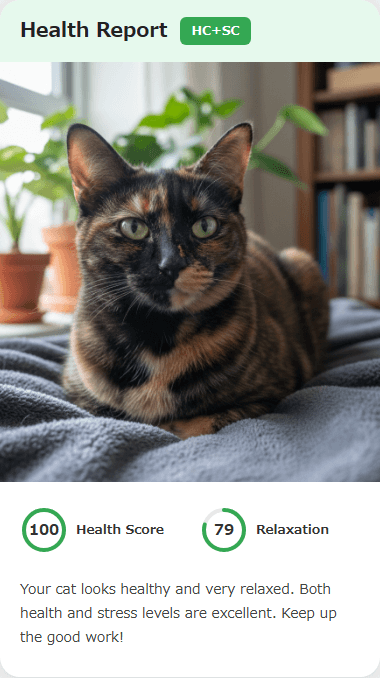
Don't wait and wonder. CatsMe's AI analyzes your cat's photo to flag health concerns in seconds.
Used by 380,000+ cat owners in 50 countries


Food Allergy Symptoms & How to Distinguish from Environmental Allergies
Typical food allergy symptoms:
Skin symptoms (present in ~60% of affected cats):
- Intense itching around the head and neck (the most characteristic sign)
- Ear redness and increased ear wax (easily confused with ear problems)
- Hair loss (especially face, preauricular area, and belly)
- Miliary dermatitis (small crusty bumps scattered across the body)
- Excessive grooming
Digestive symptoms (present in ~30% of affected cats):
- Chronic vomiting (especially after meals)
- Chronic diarrhea or soft stool
- Increased flatulence and audible stomach gurgling
How to distinguish from environmental allergies:
| | Food allergy | Environmental allergy |
|---|---|---|
| Seasonality | Year-round | Worse in spring-fall |
| Symptom location | Concentrated on head, neck, ears | Distributed across the body |
| GI symptoms | Present (vomiting/diarrhea) | Rare or absent |
| Steroid response | Often poor | Usually effective |
| Age of onset | Any age | Most common at 1-3 years |
Important: Food and environmental allergies can occur simultaneously in the same cat.
How to Properly Conduct an Elimination Diet Trial
An elimination diet trial is the only definitive diagnostic method for food allergies. Incorrect execution renders the results meaningless.
Step 1: Select the elimination diet (with veterinary guidance)
- Hydrolyzed protein food (recommended) — Proteins broken down to molecular level so the immune system cannot recognize them
- Hill's z/d, Royal Canin Anallergenic / Amino Peptide Formula
- Novel protein food — Uses a protein source the cat has never eaten
- Venison, kangaroo, or rabbit-based formulas
Step 2: Strict elimination period (8-12 weeks)
- Feed only the selected elimination diet
- Absolutely no treats, human food, or other cat foods
- Discontinue flavored medications and supplements (consult your vet for alternatives)
- In multi-cat households, completely separate feeding areas
- Ensure every family member follows the rules (one violation can invalidate the entire trial)
Step 3: Food challenge (after symptoms improve)
- Once symptoms improve on the elimination diet, reintroduce original food proteins one at a time
- Test each protein source for 2 weeks
- If symptoms return → that protein source is confirmed as the allergen
Cost estimate: Elimination diet food costs ¥8,000-15,000/month. More expensive than regular food, but it's an essential investment for definitive diagnosis.
Long-Term Dietary Management After Diagnosis
Once the allergen is identified, lifelong avoidance of that protein source effectively controls symptoms.
Long-term management essentials:
- Use an allergen-free food as the primary diet
- When trying new foods, introduce small amounts over 2-week periods
- Always check ingredient labels on commercial foods (watch for hidden allergens like 'chicken extract,' 'fish oil,' and 'animal digest')
- Select allergen-free treats as well
Common mistakes that cause relapse:
- "A little bit won't hurt" → Even small amounts can trigger allergic reactions
- A family member secretly giving treats → recurrence
- Missing manufacturer ingredient changes → regularly review labels
Even after skin symptoms resolve, maintain a habit of checking skin condition during daily grooming. If skin problems return, immediately check whether the food manufacturer has changed ingredients.
Home Care & When to Wait: Immediate Itch Relief Strategies
While awaiting a veterinary appointment for suspected food allergies, there are several home care measures you can take to keep your cat comfortable and prevent secondary complications from excessive scratching.
Immediate itch relief:
- Trim your cat's nails short to minimize skin damage from scratching. Cats with facial and neck itching can create deep, self-inflicted wounds surprisingly quickly.
- Consider an Elizabethan collar if scratching has become intense, especially around the face and ears where damage is most visible.
- Ask your veterinarian about antihistamines — some human antihistamines can be used in cats at adjusted doses, but never administer without professional guidance.
- Apply a cool, damp cloth to inflamed areas for temporary soothing relief. This will not cure the underlying allergy but can reduce acute discomfort.
Initial dietary steps:
- Photograph the ingredient labels of every food and treat the cat currently receives. This documentation is invaluable when the veterinarian designs the elimination diet.
- Immediately stop any treats or table scraps that contain common allergens like fish, chicken, or dairy.
- Do not switch to a new food without veterinary guidance — random food changes without a structured elimination protocol waste time and can muddy the diagnostic picture.
Signs that require urgent veterinary attention:
- Scratching has caused open, bleeding wounds
- Facial swelling (possible anaphylactic reaction)
- Frequent vomiting or diarrhea disrupting hydration and nutrition
- Rapid weight loss
Safe to monitor at home when:
- Itching is present but the cat is still eating well and behaving normally
- Symptoms occur year-round rather than seasonally, suggesting food rather than environmental allergy
- A regular checkup is already scheduled within the next week or two
Keeping a written log of when the itching occurs, which body areas are affected, and exactly what the cat ate each day will dramatically accelerate the diagnostic process once you reach the veterinary clinic.
Vet Diagnostic Process & Costs for Food Allergies
Diagnosing food allergies in cats begins with systematically ruling out other conditions that produce similar symptoms before committing to the time-intensive elimination diet trial.
Initial diagnostic workup:
1. Dermatological examination — The veterinarian visually inspects and palpates the skin to identify distribution patterns characteristic of food allergy versus other dermatological conditions. Initial consultation costs ¥3,000 to ¥5,000.
2. Skin scraping — Samples are examined under a microscope to rule out mange mites (Demodex, Sarcoptes) and fungal infections like ringworm, both of which can mimic allergic skin disease. Cost: ¥3,000 to ¥5,000.
3. Blood work — A complete blood count checks for eosinophilia (elevated eosinophils, a white blood cell type associated with allergic conditions) and confirms overall health status. Cost: ¥5,000 to ¥10,000.
4. FIV/FeLV testing — Retroviral infections can cause immunosuppression that leads to secondary skin conditions mimicking allergies. Cost: ¥5,000 to ¥8,000.
5. Skin biopsy (if indicated) — When the presentation is ambiguous, histopathology differentiates food allergy from autoimmune diseases like pemphigus or cutaneous lymphoma. Cost: ¥10,000 to ¥15,000.
Total cost of an elimination diet trial:
- Elimination diet food (8-12 weeks): ¥64,000 to ¥180,000
- Progress checkups (monthly for 3 months): ¥3,000 to ¥5,000 each
- Food challenge consultation visits: ¥3,000 to ¥5,000 per visit
- Estimated total: ¥80,000 to ¥210,000
Important caveats:
- Blood-based allergy panels (IgE testing) are unreliable for diagnosing food allergies in cats, producing frequent false positives and negatives.
- Do not accept "positive" results from mail-order allergy test kits as definitive diagnoses.
- The elimination diet trial is the only validated diagnostic method — there are no shortcuts.
While the cost may seem high, an accurate diagnosis eliminates years of ineffective treatments and unnecessary medications, making it a sound investment in the long run.
Age-Specific Risks & Management Differences for Food Allergies
Food allergies present differently and require adjusted management approaches depending on the cat's age.
Kittens to 1 year:
Food allergy development is uncommon in very young cats, but cases do emerge during the weaning period when new protein sources are introduced for the first time. Gastrointestinal symptoms such as diarrhea and vomiting tend to be more prominent than skin symptoms in young kittens. When designing an elimination diet for a growing kitten, the veterinarian must ensure the diet still provides adequate calories, protein, and nutrients for healthy development. Vaccination schedules are not affected by food allergies and should proceed normally.
Ages 2 to 6 (peak onset period):
This is the most common age range for food allergy onset. The classic presentation involves a cat that suddenly reacts to a food it has eaten without problems for years — the immune system becomes sensitized through prolonged exposure. Skin symptoms, particularly intense itching concentrated on the head and neck, are typically the primary complaint. Cats in this age group tend to be cooperative during elimination diet trials, and once the offending allergen is identified, long-term dietary management is relatively straightforward because fewer concurrent health conditions complicate the picture.
Ages 7 and older (senior cats):
Diagnosing food allergies in senior cats presents unique challenges. Age-related skin changes, including dryness and reduced coat quality, can overlap with allergic symptoms, making differentiation difficult. A significant practical challenge is balancing an elimination diet with other dietary requirements — many older cats are already on kidney-supportive diets or other prescription foods, and finding an allergen-free option that also meets renal health needs requires close veterinary collaboration. Decreased digestive efficiency in older cats means novel protein introductions may cause temporary soft stool. Additionally, senior cats frequently have multiple concurrent conditions, complicating the task of isolating food allergy as the specific cause of symptoms.
Regardless of age, a properly conducted elimination diet trial remains the only validated diagnostic method for confirming food allergies.
Prevention & Long-Term Immune Support for Allergic Cats
While it is impossible to completely prevent food allergy development, there are meaningful steps you can take to reduce risk and support long-term immune health in cats that have been diagnosed with food sensitivities.
Tips for preventing new allergen sensitization:
- Rotate protein sources periodically rather than feeding the same protein for years. This approach may reduce the likelihood of the immune system becoming sensitized to any single protein through prolonged exposure.
- Choose high-quality foods with clearly identified protein sources and minimal by-products or vague ingredient listings like "meat meal" or "animal digest."
- Support digestive health with nutritionally balanced food that promotes a healthy gut lining, which acts as the first barrier against allergen absorption.
- Avoid unnecessary antibiotic use — emerging research suggests that disruption of the gut microbiome may increase allergy susceptibility.
The gut-immune connection:
Approximately 70 percent of a cat's immune cells reside in the gut-associated lymphoid tissue (GALT). The balance of the intestinal microbiome profoundly influences how the immune system responds to dietary proteins. Probiotic supplements containing feline-appropriate bacterial strains may help restore and maintain a healthy gut ecosystem. Dietary fiber serves as a prebiotic, feeding beneficial gut bacteria and supporting their protective functions.
Environmental management for allergic cats:
- Reduce environmental stress, as chronic stress disrupts immune regulation and can amplify allergic responses.
- Perform regular grooming sessions to monitor skin condition and catch flare-ups early before they escalate.
- In multi-cat households, strictly manage feeding stations to prevent the allergic cat from accessing other cats' food.
- Watch for symptom fluctuations during seasonal changes — some cats with food allergies also develop concurrent environmental sensitivities that worsen during certain times of year.
With consistent allergen avoidance and proactive immune support, cats with food allergies can enjoy comfortable, high-quality lives for many years.
Track Diet & Skin Condition Daily with CatsMe
Managing food allergies depends on accurate daily records for precise diagnosis and treatment. Use the CatsMe app to centrally track diet and symptom changes.
What CatsMe can do for you:
- AI facial expression analysis detects itching and discomfort early — allergic skin irritation subtly affects facial expressions
- Diet & symptom diary — Record what was eaten, skin condition, and vomiting episodes. Ideal for monitoring progress during elimination diet trials
- Symptom checker — Enter 'itching,' 'hair loss,' or 'vomiting' to assess allergy likelihood
- Vet-ready health reports — Accurately communicate the 8-12 week elimination diet trial progress to your veterinarian, including food challenge results
The success of an elimination diet trial depends on recording accuracy. Use CatsMe to ensure no detail is missed.
Try CatsMe now →
Caught something concerning? Keep a record.
If these symptoms return, a record helps your vet act faster. CatsMe logs your cat’s daily health score so you can show exactly what changed — and when.
食物アレルギー除去食皮膚炎嘔吐下痢低アレルゲン加水分解
FAQ
 CatsMe
Be ready the moment you sense something's off
Take one photo and the AI reads pain and condition from your cat's expression. Check the moment you wonder, and share the record with your vet.