

Key Takeaway: Jaundice in Cats Is an Emergency Sign — See a Vet Within 48 Hours
If your cat's skin, whites of eyes, gums, or inner ears appear yellow, this is jaundice (icterus). It's caused by bilirubin accumulation and signals serious disease.
How to spot jaundice:
- Inner ears (thin fur makes yellow visible)
- Whites of eyes (scleral icterus)
- Gums (yellow tint instead of pink)
- Paw pads (easier on white/light-colored cats)
- Belly skin (areas with thin fur)
Three categories of jaundice:
| Type | Cause | Characteristics |
|------|-------|----------------|
| Pre-hepatic (hemolytic) | Excessive red blood cell destruction | Anemia + jaundice |
| Hepatic | Liver damage | Lethargy + appetite loss + jaundice |
| Post-hepatic (obstructive) | Bile duct blockage | Abdominal distension + jaundice |
Urgency: Cats with jaundice need a vet visit within 48 hours. If suddenly lethargic, go today.

Worried about these symptoms?
You just read the warning signs — now is the moment to start watching daily.
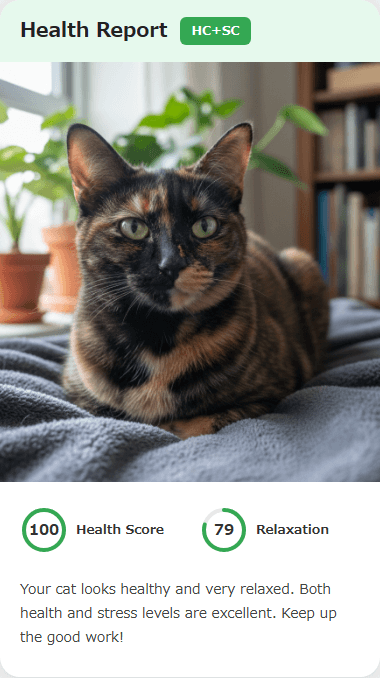
Don't wait and wonder. CatsMe's AI analyzes your cat's photo to flag health concerns in seconds.
Used by 380,000+ cat owners in 50 countries


Specific Diseases That Cause Jaundice
Liver diseases (most common):
- Hepatic lipidosis (fatty liver): Most common cause of jaundice in cats. Can develop after just 2-3 days of not eating. Watch overweight cats that stop eating
- Cholangitis/cholangiohepatitis: Bacterial infection of bile ducts. Fever + jaundice + appetite loss
- FIP (Feline Infectious Peritonitis): Dry form affecting the liver causes jaundice
- Liver tumors: Lymphoma, etc. More common in senior cats
Blood diseases (hemolytic):
- Immune-mediated hemolytic anemia (IMHA): Autoimmune destruction of red blood cells. Acute and dangerous
- FeLV (Feline Leukemia Virus) infection: Causes anemia
- Onion/chive toxicity: From eating toxic foods
- Hemoplasma infection: Tick-borne blood parasites
Bile duct obstruction:
- Gallstones: Rare but possible in cats
- Pancreatitis: Pancreatic swelling compresses bile duct (triaditis)
- Tumors: Bile duct or duodenal tumors blocking bile flow
Veterinary Testing & Diagnosis
Multiple tests are needed to identify the cause of jaundice.
| Test | Purpose | Cost |
|------|---------|------|
| Blood work | Bilirubin levels, liver enzymes, anemia degree | ¥5,000-15,000 |
| Blood smear | Red blood cell morphology, parasites | ¥2,000-5,000 |
| Abdominal ultrasound | Liver, gallbladder, bile duct status | ¥3,000-10,000 |
| X-ray | Liver size, masses | ¥3,000-8,000 |
| FeLV/FIV test | Viral infection screening | ¥3,000-8,000 |
| Urinalysis | Bilirubinuria confirmation | ¥2,000-5,000 |
| Liver cytology/biopsy | Definitive diagnosis (ultrasound-guided) | ¥10,000-30,000 |
Reading results:
- Total bilirubin > 2.0 mg/dL: Visible jaundice
- ALT/AST elevated: Liver cell damage
- ALP/GGT elevated: Biliary system issue (suggests obstructive jaundice)
- PCV (packed cell volume) decreased: Suggests hemolytic jaundice
Critical results:
- PCV below 15% (severe anemia — may need transfusion)
- Bilirubin above 10 mg/dL (severe jaundice)
- Low platelets + anemia (possible DIC — disseminated intravascular coagulation)
Treatment by Cause & Costs
Hepatic lipidosis treatment:
- Force-feeding via nasal/esophageal tube (most critical treatment)
- Liver support supplements (SAMe, silymarin)
- Hospitalization: 5-14 days, cost ¥100,000-300,000
- 60-80% recovery rate with early treatment
Cholangitis treatment:
- Antibiotics (amoxicillin-clavulanate, etc.) for 4-6 weeks
- Choleretic drugs (ursodeoxycholic acid)
- Cost: ¥10,000-30,000/month
IMHA treatment:
- Immunosuppressants (prednisolone + cyclosporine)
- Blood transfusion in severe cases
- Hospitalization: ¥50,000-150,000
- Ongoing medication: ¥5,000-15,000/month
Bile duct obstruction treatment:
- Surgery (cholecystectomy, stent placement, etc.)
- Surgery cost: ¥100,000-400,000
- Pancreatitis-related cases may improve with medical management
Pet insurance matters: Jaundice treatment tends to be expensive — insurance is recommended.
Home Care & Practical Tips for Cats with Jaundice
Home care during and after jaundice treatment plays a critical role in promoting recovery and preventing relapse.
Hepatic lipidosis recovery care (most important):
- Post-discharge, assisted feeding (syringe feeding) may still be necessary for some period. Have your veterinarian demonstrate the proper technique before leaving the clinic
- Be patient as voluntary appetite returns — never force-feed aggressively, as this creates food aversion
- Appetite recovery tips: slightly warm wet food to enhance aroma, try different flavors and textures, feed in a quiet and calm location
- Small, frequent meals (4-6 times daily) reduce the burden on the recovering digestive system
- Record daily food intake in CatsMe to track the recovery trajectory objectively
Long-term cholangitis management:
- Complete the full 4-6 week antibiotic course as prescribed — do not discontinue when symptoms improve, as premature cessation leads to relapse and antibiotic resistance
- Ursodeoxycholic acid (choleretic medication) often requires long-term administration to maintain bile flow
- Dietary management: maintain a highly digestible, quality protein diet to support liver recovery
- Schedule regular blood work to monitor liver enzyme trends over time
Home management for hemolytic anemia:
- Never miss immunosuppressant medication doses (use CatsMe's medication reminder feature)
- Check gum color daily — normal is pink; increasing pallor indicates worsening anemia
- Restrict vigorous exercise, as oxygen-carrying capacity is reduced during active hemolysis
- Follow up with regular blood work to confirm the anemia is resolving
How to monitor jaundice at home:
- Inner ear surface: The easiest and most reliable location to assess jaundice. Check under natural daylight for accurate color assessment
- Gums: Gently lift the lip to inspect gum color (transition from pink to yellow indicates worsening)
- Sclera (whites of the eyes): Check in bright light for yellow discoloration
- Photo documentation is extremely valuable. Use CatsMe to photograph under consistent lighting conditions daily and compare color changes over time
Contact your vet immediately if you observe:
- Return or worsening of yellow discoloration
- Complete appetite loss
- Worsening vomiting or diarrhea
- Extreme lethargy with reduced responsiveness
Age-Specific Causes of Jaundice and Risk Factors
The diseases causing jaundice tend to follow age-related patterns. Understanding which conditions are most likely at your cat's current age leads to faster diagnosis and more targeted treatment.
Kittens and young cats (under 3 years):
- Neonatal isoerythrolysis: Hemolysis from blood type incompatibility between mother and kitten (particularly type B mothers with type A kittens)
- FeLV infection: Can trigger immune-mediated hemolytic anemia leading to jaundice
- Congenital portosystemic shunts: Abnormal blood vessels that bypass the liver, causing jaundice with poor growth
- Toxin exposure: Onions, chives, and acetaminophen (Tylenol) cause hemolytic anemia in cats
- Parasitic disease: Severe hemoplasma (blood parasite) infection can cause hemolysis and jaundice
Adult cats (3-10 years):
- Hepatic lipidosis (fatty liver): The most common cause of jaundice in this age group. Occurs characteristically when an overweight cat stops eating
- Cholangitis: An inflammatory liver condition unique to cats, presenting in both acute and chronic forms
- Pancreatitis: The feline anatomical feature where bile and pancreatic ducts converge means pancreatitis easily spreads to the biliary system
- Triaditis: Simultaneous inflammation of liver, pancreas, and small intestine — a condition particularly characteristic of cats
Senior cats (10+ years):
- Tumors: Liver cancer (primary or metastatic), bile duct carcinoma, lymphoma
- Bile duct obstruction: Gallstones, tumors, or scar tissue blocking bile flow
- Chronic hepatitis: Long-standing liver inflammation
- Non-effusive FIP: The dry form that targets the liver causes jaundice
- Drug-induced liver injury: Long-term medications (NSAIDs, etc.) causing cumulative liver damage
Breed-specific risks:
- Persian and Himalayan: slightly elevated risk of congenital liver disease
- Siamese: predisposed to amyloidosis (amyloid protein accumulation in the liver)
Prevention & Long-Term Management: Protecting Liver Health
Preventing jaundice recurrence and maintaining long-term liver health requires consistent lifestyle habits and a structured management approach.
Hepatic lipidosis prevention (most critical):
- Never allow your cat to go more than 2 days without eating — this is the single most important preventive measure for the most common cause of jaundice in cats
- During environmental changes (moving house, new pets, family changes), monitor appetite with extra vigilance
- Overweight cats face the highest fatty liver risk. Implement a structured weight loss program to reach ideal body weight
- Rapid weight loss paradoxically triggers fatty liver — limit weight loss to 1-2% of body weight per week maximum
Liver-friendly dietary management:
- Feed a diet based on high-quality protein sources to support the liver's amino acid metabolism
- Strictly exclude all foods toxic to cats, particularly onion-family vegetables
- Ensure constant access to fresh water and encourage adequate hydration
- Liver support supplements (SAMe, silymarin) may be beneficial under veterinary guidance
Preventing drug-induced liver damage:
- Never administer human medications to cats, especially acetaminophen (Tylenol) and ibuprofen — both are potentially fatal to cats even in small doses
- During long-term medication therapy, schedule regular blood work to monitor liver enzyme levels for early signs of hepatotoxicity
- Consult your veterinarian before starting any new medication or supplement
Recommended screening schedule:
| Age | Frequency | Tests |
|-----|-----------|-------|
| 1-6 years | Annually | General blood panel including liver enzymes |
| 7-10 years | 1-2 times yearly | Blood work + abdominal ultrasound |
| 10+ years | Twice yearly | Comprehensive blood panel + diagnostic imaging |
Protect liver health with CatsMe:
Record daily appetite, energy levels, and weight to catch subtle changes early. Setting an alert for appetite decline persisting two consecutive days provides an early warning system for potential liver problems.
Prevention & Early Detection Tips
Preventing jaundice = preventing underlying diseases:
Preventing hepatic lipidosis (most important):
- Never let your cat go without food for 2+ days. This is the biggest prevention measure
- If an overweight cat stops eating, see a vet immediately
- Watch for appetite drops from stress or changes (moving, new cat, etc.)
- Monitor appetite daily with CatsMe's food tracking
Preventing hemolysis:
- Never feed toxic foods (especially onions, chives, garlic)
- FeLV vaccination
- Flea/tick prevention (prevents Hemoplasma infection)
Early detection tips:
- Weekly check of inner ear and gum color (normal is pink)
- Stay alert to appetite changes
- Lethargy + not eating → may be early jaundice signs
- Annual (biannual for 7+) blood work to check liver enzymes
Detect changes early with CatsMe: AI analyzes daily facial expressions, catching signs of lethargy and appetite loss. Late discovery of jaundice can be fatal — daily monitoring saves lives.
Caught something concerning? Keep a record.
If these symptoms return, a record helps your vet act faster. CatsMe logs your cat’s daily health score so you can show exactly what changed — and when.
黄疸肝臓病貧血胆管目が黄色い緊急
FAQ
References
This article is compiled and summarized by the Carelogy editorial team based on publicly available information from the following veterinary organizations, universities, and clinical manuals.
- MSD Veterinary Manual. Hepatic Lipidosis in Small Animals (2023).
- Cornell Feline Health Center. Liver Disease in Cats — Feline Health Topics (2017).
- WSAVA Liver Diseases Standardization Group. WSAVA Standards for Clinical and Histological Diagnosis of Canine and Feline Liver Diseases (2006).
- American Association of Feline Practitioners (AAFP). AAFP Feline Retrovirus Testing and Management Guidelines (2020).
 CatsMe
Be ready the moment you sense something's off
Take one photo and the AI reads pain and condition from your cat's expression. Check the moment you wonder, and share the record with your vet.