

Why Dietary Management Matters for Cats with Kidney Disease
Chronic kidney disease (CKD) is one of the leading causes of death in cats, affecting approximately 30-40% of cats over age 10. Since damaged kidney tissue cannot regenerate, treatment focuses on preserving remaining function.
Dietary management is one of the most important treatment tools for slowing CKD progression. Studies report that cats on renal-support diets survive roughly twice as long as those on standard food.
Key Features of Renal Diets
- Phosphorus restriction: Hyperphosphatemia accelerates kidney decline
- Moderate protein restriction: High-quality protein in controlled amounts reduces uremic toxin production
- Sodium restriction: Eases the workload on the kidneys and helps prevent hypertension
- Omega-3 fatty acid enrichment: Anti-inflammatory action protects the kidneys
- Potassium supplementation: Replaces potassium lost through increased urination
- B-vitamin fortification: Replenishes B vitamins lost via polyuria
- Antioxidants: Reduce oxidative stress on the kidneys
Diet transitions should be done under veterinary guidance, selecting the appropriate food based on the CKD stage (IRIS classification).
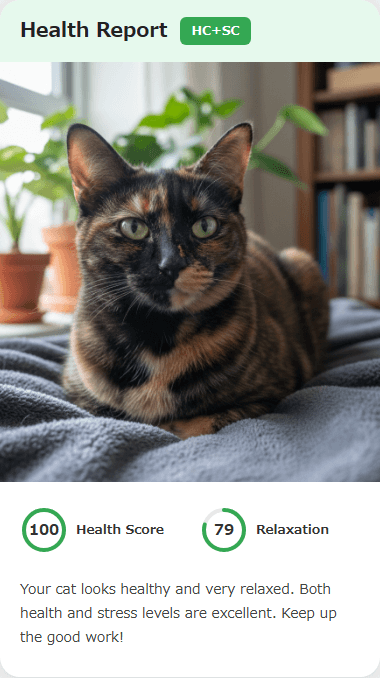

For senior cats, every day matters
For a senior cat, a way to catch the small daily changes matters most.
Subtle changes can signal serious issues in older cats. CatsMe tracks behavior, appetite, and health scores so you can act fast.
Used by 380,000+ cat owners in 50 countries


Choosing & Transitioning to a Renal Diet
Major Renal Diet Brands
- Royal Canin Renal Support
- Hill's k/d
- Specific FKD/FKW
All are available in both dry and wet formulations. Wet food is especially recommended for CKD cats because it also provides hydration.
How to Transition
Renal diets taste different from standard food, and abrupt switches often lead to refusal. Transition gradually:
1. Days 1-3: 75% current food + 25% renal diet
2. Days 4-7: 50% / 50%
3. Days 8-10: 25% current + 75% renal
4. Day 11+: 100% renal diet
If the cat resists, extend the transition to 2-4 weeks. Forcing a rapid change and having the cat refuse food entirely is worse than a slow conversion.
Try multiple brands: Cats have preferences — if one brand is rejected, another may be accepted. Mixing wet and dry formulations can also help.
Tips When Your Cat Refuses Renal Food
Appetite loss is common in cats with CKD, and many refuse therapeutic diets. Try these strategies.
Appetite-Stimulating Techniques
- Warm the food slightly (about 10 seconds in the microwave) — warmth releases aroma
- Add a small amount of cat-safe food topper or unsalted bonito flakes
- Drizzle a little unsalted chicken broth over the food
- Offer small meals frequently (4-6 times per day)
- Try a different bowl (shallow, ceramic)
- Feed in a quiet, calm location
When the Cat Still Refuses
- Ask your vet about appetite stimulants (mirtazapine or capromorelin)
- Syringe feeding: Under veterinary guidance, deliver paste-style food via syringe
- Nasoesophageal or esophagostomy tube: A last resort for cats that cannot eat for extended periods
Things to Absolutely Avoid
- Switching back to regular food on your own (consult your vet first)
- Giving large amounts of human food (high in sodium and phosphorus)
- Allowing dehydration to persist unchecked
The Importance of Hydration
CKD cats are chronically dehydrated due to polyuria. In addition to hydration strategies, your vet may recommend at-home subcutaneous fluid therapy. Ask your veterinarian to teach you the technique.
Practical Application: Everyday Feeding Techniques for CKD Cats
To make renal diet management work in practice, here are everyday techniques you can integrate into your routine.
Optimizing the Feeding Schedule
CKD cats often cannot eat large meals at once, making small, frequent feedings (four to six times daily) the standard. An automatic feeder allows timed portion delivery even when you are away from home. For wet food, discard any portion left at room temperature for more than one hour for hygiene reasons.
Balancing Wet and Dry Food
Wet food is preferred for its hydration benefits, but some cats accept only dry kibble. In that case, adding lukewarm water to the dry renal diet is a practical workaround. Combining wet and dry formulations from the same renal-diet product line also works well.
Food Storage Best Practices
- Dry food: Transfer to an airtight container after opening and use within one month
- Canned wet food: Cover and refrigerate after opening; use within 24-48 hours
- Pouch wet food: Transfer to a sealed container, refrigerate, and ideally use the same day
Using Homemade Toppings
As a last resort when the cat refuses prescription food entirely, a small amount of plain boiled chicken breast or white fish placed on top of the renal diet can entice eating. Keep toppings to under 10% of the total meal to preserve the nutritional balance, and always discuss the approach with your veterinarian.
Expert Tips: Dietary Management Insights for CKD
Veterinary nutrition specialists employ these advanced strategies to improve outcomes in CKD dietary management.
Phosphorus Binders
When a cat absolutely refuses prescription renal food, adding a phosphorus binder to the regular diet is an alternative. Aluminum hydroxide or lanthanum carbonate can inhibit phosphorus absorption from the meal, reducing hyperphosphatemia. This approach must always be used under veterinary supervision.
Rethinking Protein Restriction
The most common misconception in CKD nutrition is that less protein is always better. In reality, moderate amounts of high-quality protein are essential. Excessive restriction leads to muscle wasting and overall nutritional decline, which can be more harmful than the uremic toxins the restriction was meant to reduce.
Potassium Management
CKD cats are prone to hypokalemia, which manifests as muscle weakness and a characteristic head-down posture (ventroflexion of the neck). Renal diets are potassium-fortified, but if blood tests reveal persistently low levels, additional potassium supplementation may be necessary.
The Gut-Kidney Connection
Emerging research suggests that prebiotics and probiotics may reduce the production of uremic toxins in the gut, thereby lightening the burden on the kidneys. Discuss gut-health supplements with your veterinarian as a potential adjunct to dietary management.
When to Seek Professional Help with Dietary Management
If any of the following situations arise during renal diet management, contact your veterinarian promptly. Attempting to handle these on your own risks accelerating disease progression.
Situations Requiring Immediate Consultation
- The cat has eaten almost nothing for more than two days (risk of hepatic lipidosis)
- Rapid weight loss is observed
- Vomiting frequency has increased
- Signs of dehydration appear (slow skin tent return, sunken eyes)
- Breath carries an ammonia-like odor (suggesting uremic toxin accumulation)
- The cat is lethargic and barely moving
Key Topics to Discuss with Your Vet
- Reassessment of the current CKD stage (IRIS classification)
- Diet plan revision and alternative food suggestions
- Whether to prescribe an appetite stimulant
- Introduction of at-home subcutaneous fluid therapy
- Addition of phosphorus binders or potassium supplements
Considering a Second Opinion
If treatment at the primary clinic is not yielding improvement, seeking a second opinion from an internal-medicine or nephrology specialist can be valuable. CKD management varies greatly between individuals, and a fresh perspective may reveal options not previously considered.
The most important message is that you do not have to manage this alone. Regular clinic visits, open communication with your veterinary team, and a willingness to adjust the plan are the pillars of successful long-term CKD care.
Long-Term Dietary Management for CKD Cats
CKD dietary management is a years-long commitment. Maintaining motivation while ensuring the care plan is sustainable for both cat and owner is critical to long-term success.
Set Realistic Goals
Rather than striving for dietary perfection, aim for a practical target such as "renal food comprises at least 70% of total intake." The remaining 30% can be a low-phosphorus standard food. What matters most is that eating something is always better than eating nothing.
Adapting Diet to CKD Stage
- Stage 2: Begin transitioning to renal food. Phosphorus restriction is the top priority
- Stage 3: Further optimize protein levels. Consider introducing an appetite stimulant
- Stage 4: Prioritize whatever the cat will eat. The goal shifts to quality-of-life maintenance
Owner Mental Health
Caring for a CKD cat is emotionally demanding. If the stress of a cat refusing food becomes overwhelming, discuss alternative plans with your vet. Joining a community of owners going through the same experience can also provide emotional support.
Continue Keeping Records
Track diet composition and quantity, water intake, weight changes, and blood test results consistently. This data streamlines veterinary consultations and enables optimal treatment adjustments over time.
CKD cannot be cured, but thoughtful dietary management can make the rest of your cat's life more comfortable and longer. The small daily investments in care compound into outcomes that make a real and meaningful difference.
Your senior cat’s record, ready for the vet
In older cats, small daily changes matter most. CatsMe automatically logs health scores you can share with your vet in one tap.
慢性腎臓病腎臓ケア療法食食事管理CKD
FAQ
 CatsMe
Be ready the moment you sense something's off
Take one photo and the AI reads pain and condition from your cat's expression. Check the moment you wonder, and share the record with your vet.