

The Bottom Line: Daily Care Prevents Most Persian Cat Health Issues
Behind the Persian's stunning looks lies a set of health challenges tied to their brachycephalic (flat-faced) anatomy. Watery eyes, skin fold infections, narrow nasal passages, and facial inflammation are all common — but the majority can be prevented with consistent daily care. A few minutes each day spent on eye, nose, and coat maintenance is the single best investment you can make in your Persian's long-term health and comfort.
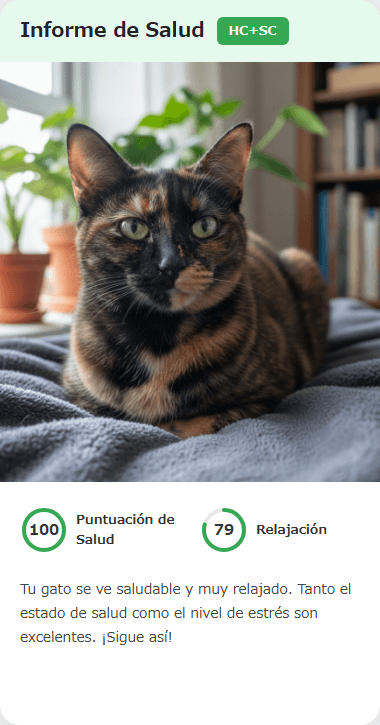

El compañero diario de tu gato
Recordatorios de cuidado, control de peso y rutinas de salud: CatsMe lo organiza todo en una sola app.
Más de 380.000 dueños de gatos en 50 países confían en CatsMe


Tear Staining and Eye Care
Persians have short, narrow nasolacrimal ducts (the tubes that drain tears from the eyes to the nose), which causes chronic overflow tearing (epiphora) and reddish-brown tear staining beneath the eyes.
Daily care: Use a damp, soft gauze pad or a pet-specific wipe to gently clean eye discharge from the inner corner outward. Preventing infection: If the stained area becomes red, raw, or swollen, it may indicate corneal inflammation, eyelid infection, or skin infection — see your vet promptly. A word of caution: Some over-the-counter tear stain removers contain harsh ingredients. Always check the label or consult your vet before use.
Brachycephalic Airway Syndrome (BAS) and Breathing Care
Narrow nostrils (stenotic nares), an elongated soft palate, and a narrow trachea create the anatomical basis for brachycephalic airway syndrome (BAS).
What to watch for daily: Snoring, mouth breathing, heavy panting after mild exercise, or visible distress in warm environments. Nasal fold care: Wipe inside the skin folds around the nose daily to prevent moisture buildup and infection. Emergency red flags: Open-mouth breathing with obvious distress or a blue-purple tongue (cyanosis) requires immediate veterinary attention.
In severe cases, corrective surgery — widening the nostrils or trimming the soft palate — can significantly improve airflow and quality of life.
Coat and Skin Care
Without daily brushing, a Persian's luxurious coat will inevitably develop mats and skin irritation.
Brushing frequency and technique: Daily is ideal, three times a week is the absolute minimum. Use a fine-toothed metal comb that reaches all the way down to the skin. Dealing with mats: Never yank — use a mat splitter or clippers to safely remove tangles. Skin checks: While grooming, look for redness, flaking, or sores. Persians are predisposed to seborrheic dermatitis (greasy, flaky skin).
Professional grooming sessions (bath plus trim) two to three times a year are also highly recommended.
Age-Related Changes to Watch in Persian Cats
When Persian cats reach the senior years, their brachycephalic challenges layer on top of normal aging changes, creating a more complex health picture.
Declining respiratory function: Age-related loss of airway cartilage elasticity compounds brachycephalic airway syndrome, making breathing difficulties more pronounced. Hot or humid conditions become riskier. Rising kidney disease risk: Persians are genetically predisposed to polycystic kidney disease (PKD), and kidney function often declines noticeably after age 7. Semi-annual bloodwork and ultrasound screening are strongly recommended. Progressive eye conditions: Beyond tear staining, corneal ulcers, chronic keratitis, and periorbital skin infections become increasingly common with age. Grooming challenges: Senior cats groom less effectively on their own, which means a Persian's long coat becomes even more prone to matting. Owner-assisted brushing grows more critical with every passing year.
For Persian cats aged 8 and older, a comprehensive health check every six months — including bloodwork, urinalysis, blood pressure measurement, and an ophthalmic exam — is the recommended standard of care. Early detection of kidney decline or respiratory worsening gives you the greatest range of treatment options.
Quality of Life Assessment for Persian Cats
Persians are calm, quiet cats by nature, which means pain and discomfort may not produce obvious behavioral changes the way they might in a more active breed. This makes structured quality-of-life assessment especially valuable.
Dimensions to evaluate: (1) Breathing comfort: Is resting respiration calm and quiet, or has snoring worsened? (2) Eyes and face: Is tear staining increasing? Are the eyes redder? Are facial folds more inflamed? (3) Appetite and hydration: Is the flat face making eating difficult? Is water intake adequate? (4) Coat condition: How frequently do mats form? Is there redness, flaking, or irritation on the skin underneath? (5) Comfort behaviors: Does the cat still purr, bask in sunlight, and settle contentedly on a lap — the classic signs of a happy Persian?
Combine monthly scoring with dated photographs, especially of the eyes and facial skin. Photo comparisons over time are remarkably effective at revealing gradual deterioration that is easy to miss day to day. If scores decline steadily over two or three months, it is time to revisit the care plan with your vet — whether that means adjusting grooming routines, adding eye medication, or investigating deeper issues like PKD progression.
Nutrition for Persian Cats: Diet and Feeding Tips
A Persian's flat facial structure affects not just breathing but also the ability to eat comfortably. Both nutrition and feeding method deserve attention.
Food shape and bowls: Shallow, wide dishes and pate-style wet food that can be scooped with the tongue are ideal for flat-faced cats. If offering dry kibble, choose a flat, small-sized shape designed for brachycephalic breeds (such as Royal Canin Persian). Coat-support nutrients: Biotin, zinc, and omega-6 fatty acids are critical for maintaining the Persian's luxurious coat. Breed-specific formulas often contain enhanced levels of these nutrients. Hairball prevention: Long-haired cats are at high risk for hairballs, so a diet rich in fiber or a hairball-control prescription food can help move ingested fur through the digestive tract. Kidney protection: Given the elevated PKD risk in Persians, consider a gradual transition to a kidney-support diet with restricted phosphorus and sodium as your cat enters the senior years.
Feed two to three measured meals per day. After eating, gently wipe your Persian's face — food debris trapped in facial folds is a common trigger for skin fold dermatitis. This simple post-meal hygiene step takes just a few seconds and prevents a surprising amount of chronic irritation over time.
Get Answers to Daily Care Questions With Carelogy's Online Consultations
"The eye discharge is getting worse," "the skin around the nose looks red," "the coat quality is declining" — these Persian-specific concerns are a perfect fit for Carelogy's online vet consultations.
Share photos and videos so a vet can remotely screen for eye problems, skin inflammation, and breathing issues, then advise on home care improvements or whether an in-person specialist visit is warranted.
¿Podrías responder "¿desde cuándo está así?"
Cuando tu veterinario pregunte, no te quedes sin respuesta. CatsMe registra automáticamente puntuaciones de salud diarias que puedes compartir con un solo toque.
ペルシャ猫猫種別短頭種涙目皮膚ケア
FAQ
 CatsMe
Prepárate para actuar en cuanto sientas que algo no va bien
Basta una foto: la IA interpreta el dolor y el estado de salud a partir de la expresión de tu gato. Compruébalo en el momento en que te preocupes y comparte el registro con tu veterinario.