

What Is Over-Grooming? How to Tell Normal from Excessive
Cats are fastidious creatures, spending roughly 30-50% of their waking hours on grooming. However, when a cat repeatedly licks the same area until fur thins or bald patches appear, it crosses into over-grooming territory.
Normal Grooming
- Evenly distributed across the body
- Occurs after meals and around naps
- Leaves the skin intact
Signs of Over-Grooming
- Focused licking on specific areas (belly, inner thighs, forelegs, flanks)
- Short stubble or symmetrical hair loss in licked areas
- Skin redness, sores, or scabs
- Hair-pulling behavior (trichotillomania)
- Noticeably increased grooming frequency and duration
- Continues despite the owner's attempts to stop it
Over-grooming often happens out of sight, so by the time you notice it, the condition may already be advanced. Pay particular attention if your cat's belly fur is thinning. Hair loss patterns also provide important diagnostic clues.
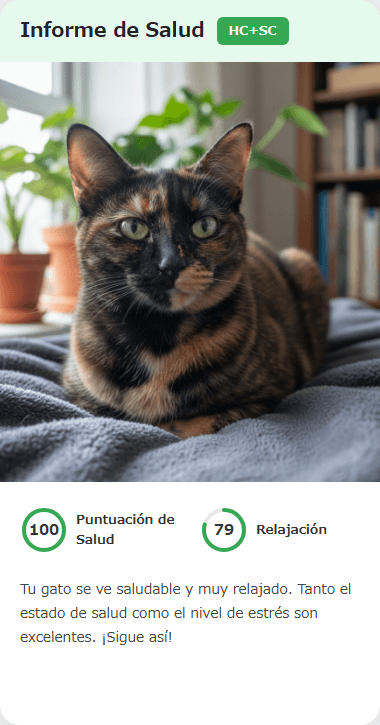

¿Te preocupan estos síntomas?
No te quedes con la duda. La IA de CatsMe analiza la foto de tu gato y detecta señales de alerta en segundos.
Más de 380.000 dueños de gatos en 50 países confían en CatsMe


Causes of Over-Grooming
Over-grooming causes fall into two broad categories: medical and psychological.
Medical Causes (approximately 70%)
- Allergies: Food allergies, environmental allergies (pollen, dust mites), flea allergy dermatitis
- Skin infections: Fungal (ringworm), bacterial
- Parasites: Fleas, mites, mange
- Pain: Cystitis (licking the lower belly), arthritis (licking around joints)
- Hormonal disorders: Hyperthyroidism
Psychological Causes (Psychogenic Alopecia)
- Stress: Moving, a new pet, changes in the family
- Boredom: Lack of environmental stimulation
- Anxiety: Separation anxiety, noise phobia
- Compulsive behavior: Grooming becomes a habit that the cat cannot control
Veterinarians first rule out medical causes before investigating psychological ones. Diagnostics may include skin testing, blood work, allergy panels, and elimination diet trials.
Solutions & Treatment Options
Treating Medical Causes
- Allergy management: Remove the allergen, switch to a hypoallergenic diet, or use steroids/immunosuppressants
- Flea control: Treat all household pets with flea preventatives
- Skin infection treatment: Antifungals or antibiotics as needed
- Pain management: Pain medication and treatment of the underlying condition
Addressing Psychological Causes
1. Environmental enrichment: Cat trees, hiding spots, puzzle toys
2. Identify and remove stressors: Review recent changes in your cat's life or environment
3. Feliway: Synthetic pheromone diffusers provide a sense of security
4. Play sessions: At least twice daily play time to relieve stress
5. Medication: In severe cases, a vet may prescribe anti-anxiety drugs (such as fluoxetine)
What NOT to Do
- Rely solely on an E-collar (it does not address the root cause)
- Scold the cat when it is licking (adds stress and worsens the behavior)
- Give supplements or medications without veterinary guidance
Improvement typically takes weeks to months. Be patient and work with your vet to continue cause-specific treatment.
Step-by-Step Practical Guide to Stopping Over-Grooming
Resolving over-grooming requires a structured approach that addresses both the symptom and its root cause. Work through these steps methodically to give your cat the best chance of recovery.
Step 1: Document the Behavior
Observe and record which body parts your cat licks, how often, and for how long. Take regular photographs to track hair loss progression over time. A pet camera captures grooming activity that happens when you are not home, providing a more complete picture.
Step 2: Visit the Veterinarian
Ruling out medical causes is the top priority. Request a thorough skin examination, blood work, and allergy testing to determine whether dermatological conditions, parasites, or pain are driving the behavior.
Step 3: Enhance Environmental Enrichment
If boredom or stress is suspected, enrichment is the primary intervention. Add cat trees, introduce puzzle feeders, and create hiding spots throughout the home. A window perch for bird-watching provides hours of passive stimulation.
Step 4: Identify and Remove Stressors
Review recent changes in the cat's environment — a move, a change in household members, a new pet. Eliminate as many stressors as feasible. When removal is not possible, Feliway diffusers and other calming aids can buffer the impact.
Step 5: Evaluate Progress
Assess improvement two to four weeks after interventions begin. If progress is insufficient, return to the veterinarian for additional diagnostics or a revised treatment plan. Over-grooming rarely resolves overnight, but measurable improvement within the first month is a strong positive signal.
Common Mistakes When Addressing Over-Grooming
Well-meaning actions can unintentionally worsen over-grooming. Being aware of these pitfalls is essential for an effective recovery plan.
Mistake 1: Relying Solely on an E-Collar
An E-collar prevents licking temporarily and gives the skin a chance to heal, but if the root cause remains untreated, the behavior returns the moment the collar comes off. Always use it alongside active treatment.
Mistake 2: Scolding the Cat During Grooming
Shouting 'stop' or physically restraining the cat when it licks is counterproductive. It adds stress and reinforces the anxiety loop. A better approach is to redirect attention with play or a treat.
Mistake 3: Assuming It Is Psychological Without Testing
Approximately 70 percent of over-grooming cases have a medical origin — allergies, parasites, or pain. Deciding that the cause is stress without first visiting the vet is a dangerous shortcut. Medical causes must be ruled out before focusing on behavioral solutions.
Mistake 4: Administering Supplements or Medications Without Veterinary Guidance
Giving human supplements or medications intended for other species can be harmful. Some ingredients safe for people are toxic to cats. Always consult your veterinarian before introducing any new product.
Mistake 5: Giving Up Too Soon
Over-grooming typically takes weeks to months to resolve. Abandoning a treatment plan after just one week because no visible change has occurred wastes the effort already invested and allows the condition to progress further.
When to See a Vet About Over-Grooming
Certain signs should prompt an immediate veterinary visit rather than a wait-and-see approach. Early intervention prevents the condition from becoming more complex.
See a Vet Immediately If
Hair loss has spread across a large area, licked areas show redness, sores, scabs, or bleeding, the cat is also experiencing appetite loss or weight loss, hair-pulling behavior (trichotillomania) is observed, or over-grooming has started suddenly, suggesting new pain or an allergic reaction.
The Diagnostic Process
Your vet will begin with skin scraping tests and fungal cultures to check for infections. A flea check is also standard. Blood work, allergy panels, and elimination diet trials may follow depending on initial findings. Psychogenic alopecia is diagnosed only after all medical causes have been systematically excluded.
Referral to a Veterinary Dermatologist
If standard treatments are not working, ask for a referral to a board-certified veterinary dermatologist. Specialists have access to advanced allergy identification tests (intradermal testing, serum IgE panels) and cutting-edge treatment options that general practitioners may not offer.
Continuing Care
Over-grooming is prone to relapse. Even after symptoms improve, maintain regular follow-up visits and continue environmental enrichment and stress-reduction measures to keep the condition in long-term remission.
Prevention & Long-Term Management of Over-Grooming
Keeping over-grooming from returning requires a sustained commitment to the habits and routines that helped resolve it in the first place. The strategies below form a practical long-term management plan.
Maintain Allergy Management
If food allergies were identified as the cause, the allergen-free diet must continue for life. For environmental allergies, ongoing flea prevention and regular home cleaning to reduce dust mites and pollen are essential.
Preserve a Low-Stress Environment
Stability in the cat's living environment is the foundation of prevention. When unavoidable changes occur — a move, a new family member — manage the transition gradually and ensure the cat always has access to a safe retreat space.
Regular Grooming by the Owner
Daily brushing reduces the cat's own grooming workload and provides a regular opportunity to inspect the skin for early signs of trouble.
Act on Early Warning Signs
If you notice the cat returning to frequent licking of a specific area, treat it as an early relapse signal. Review the environment for new stressors and consult the vet if the behavior persists beyond a few days.
Seasonal Awareness
Spring and fall bring coat changes and increased risk of skin issues. Step up brushing frequency during these periods and inspect the skin more closely. Starting a Feliway diffuser at the onset of seasonal transitions can provide an additional preventive buffer against stress-related over-grooming.
¿Podrías responder "¿desde cuándo está así?"
Cuando tu veterinario pregunte, no te quedes sin respuesta. CatsMe registra automáticamente puntuaciones de salud diarias que puedes compartir con un solo toque.
過剰グルーミング脱毛ストレス皮膚疾患心因性脱毛
FAQ
 CatsMe
Prepárate para actuar en cuanto sientas que algo no va bien
Basta una foto: la IA interpreta el dolor y el estado de salud a partir de la expresión de tu gato. Compruébalo en el momento en que te preocupes y comparte el registro con tu veterinario.