

Plants Toxic to Cats: What Must Never Be in Your Home
Houseplants and flowers add beauty to your home, but many are dangerously — even fatally — toxic to cats. Cats may nibble on plants out of curiosity or lick pollen from their fur, so keep all toxic plants out of a cat household entirely.
Extremely Dangerous (Potentially Lethal)
- Lilies (Lilium species): Easter lily, Casablanca, Asiatic lily, tiger lily. Even a tiny amount of pollen licked off the fur can cause acute kidney failure with a very high fatality rate. The most dangerous plant for cats
- Sago palm (Cycas): All parts are toxic; seeds in particular cause liver failure
- Lily of the valley: Contains cardiac glycosides (convallatoxin) that cause arrhythmia and cardiac arrest
Dangerous (Cause Poisoning Symptoms)
- Pothos: Oral inflammation, vomiting, difficulty swallowing
- Dieffenbachia: Calcium oxalate crystals irritate the mouth
- Philodendron: Calcium oxalate causes oral and GI irritation
- Aloe vera: Vomiting, diarrhea, tremors
- English ivy: GI symptoms, dermatitis
- Dracaena: Vomiting, appetite loss, dilated pupils
- Cyclamen: Root is highly toxic — vomiting, diarrhea, arrhythmia
- Azalea / Rhododendron: Vomiting, diarrhea, bradycardia, hypotension
When you receive a bouquet, always check its contents. If it contains lilies, isolate them where the cat cannot reach — or discard them.
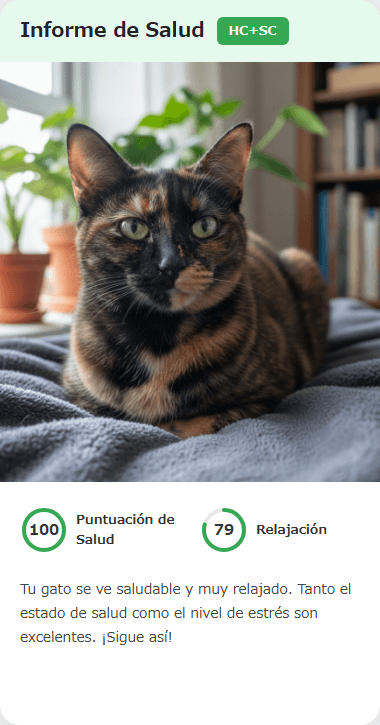

Detecta los problemas antes de que aparezcan
El seguimiento diario de salud hace posible la detección temprana. CatsMe registra los cambios automáticamente para que nada pase desapercibido.
Más de 380.000 dueños de gatos en 50 países confían en CatsMe


Cat-Safe Plants You Can Keep
You can enjoy greenery in your home while keeping your cat safe by choosing from these cat-friendly plants.
Safe Houseplants
- Cat grass (wheat, barley, oat): Safe for cats to eat and may help with hairball expulsion
- Areca palm: A large, attractive, cat-safe plant
- Pachira (money tree): Non-toxic and easy to grow
- Peperomia: Many varieties are safe for cats
- Calathea (Goeppertia): Beautiful foliage, cat-safe
- Air plants (Tillandsia): Require no soil, so no digging issues
Safe Herbs
- Catnip: A feline favorite
- Catmint: Related to catnip
- Basil: Safe in small amounts
- Rosemary: Cat-safe (though most cats avoid the scent)
Safe Flowers
- Roses: Watch for thorns, but the flowers themselves are non-toxic
- Gerbera daisies: Bright, cheerful, and safe
- Sunflowers: Non-toxic
- Orchids (Phalaenopsis): Generally safe for cats
Note: Even "safe" plants can cause digestive upset if eaten in large quantities. Pesticides or fertilizers used on plants can also be problematic.
Preventing Plant Ingestion & What to Do If It Happens
Preventing Plant Ingestion
- Keep toxic plants out of the home entirely (the most reliable method)
- Place plants where cats cannot reach (though cats can get almost anywhere, so do not rely on this alone)
- Use hanging pots or terrariums to physically block access
- Spray citrus-scented repellent around plants (effectiveness varies)
- Offer cat grass as an alternative to satisfy the urge to nibble
- Check the ASPCA Poison Control database before purchasing any new plant
If Your Cat Eats a Plant
1. Identify what was eaten and how much
2. Save a sample of the plant to show your vet
3. Call your veterinarian immediately
4. Follow veterinary instructions
Lily Ingestion Is the Most Urgent Scenario
Even pollen groomed off the fur is dangerous. If lily ingestion is suspected, treatment must begin within 12 hours or acute kidney failure may prove fatal.
Common Symptoms of Plant Poisoning
- Vomiting, drooling
- Pawing at the mouth, oral redness
- Loss of appetite
- Diarrhea
- Lethargy
Even if no symptoms are present, contact your vet whenever a toxic plant may have been consumed. Poisoning symptoms can appear hours later.
Practical Application: Creating a Cat-Safe Green Space
Having a cat does not mean you must give up greenery entirely. With smart plant selection and creative placement, cats and plants can coexist safely in the same home.
Terrariums
Glass-enclosed terrariums isolate decorative plants completely from curious paws. Sealed terrariums require minimal watering and eliminate any contact risk. Small terrariums featuring moss and ferns make beautiful decor while keeping the cat safe.
A Dedicated Cat Plant Corner
Set up a spot with cat grass and catnip pots where the cat can freely nibble. Providing an approved outlet for the chewing instinct often reduces interest in off-limits plants.
Hanging Planters
Ceiling-mounted hanging pots keep plants out of direct reach, but trailing leaves can still attract a determined jumper. Choose compact, non-trailing varieties and verify that ceiling hooks are securely anchored to support the weight.
Balcony and Patio Consolidation
Concentrating plants on a balcony or patio that the cat does not access is another effective strategy. This approach requires that escape-prevention measures are fully in place before relocating any greenery.
Protecting Soil from Digging
Cats may dig in plant soil and accidentally ingest fertilizer-laced dirt. Cover the soil surface with decorative stones, a mesh barrier, or a layer of pine cones to block access while still allowing water to reach the roots.
Expert Tips: Cat-Friendly Gardening Practices
For gardening enthusiasts who share their home with cats, here are expert-recommended practices for keeping both plants and pets safe.
Choosing Fertilizers and Pesticides
Conventional chemical pesticides and liquid fertilizers are harmful to cats. Even organic fertilizers can be dangerous — bone meal and blood meal attract cats with their scent and may be ingested. In areas the cat can access, use only products explicitly labeled as pet-safe.
Cut-Flower Safety Guide
Before displaying a bouquet, follow these steps:
1. Identify every flower in the arrangement by name
2. Cross-check each one against the ASPCA toxicity database
3. Remove or discard any toxic flowers immediately
4. Even with an all-safe bouquet, prevent the cat from drinking the vase water — pesticide residues and plant compounds leach into it
Seasonal Plant Hazards
- Spring: Tulips (bulbs are toxic), lily of the valley
- Summer: Hydrangeas, morning glory
- Autumn: Red spider lily (contains lycorine), chrysanthemums (mild toxicity)
- Winter: Poinsettia (mild to moderate toxicity), mistletoe
Build a habit of always verifying toxicity before bringing any new plant into the home. Just as with dangerous foods, ignorance is not a defense when a cat's health is on the line.
When to Seek Professional Help for Plant Poisoning
Plant poisoning symptoms can be delayed, making it dangerous to assume a cat is fine just because it currently appears healthy. Follow these guidelines for an appropriate response.
Cases Requiring Immediate Veterinary Care
- Suspected ingestion of any lily species (highest urgency)
- Consumption of highly lethal plants such as sago palm or lily of the valley
- Repeated vomiting
- Persistent drooling or pawing at the mouth
- Abnormally rapid or labored breathing
- Lethargy with diminished responsiveness
Treatment at the Veterinary Clinic
- Emesis induction (most effective within two hours of ingestion)
- Activated charcoal to bind toxins in the GI tract
- Intravenous fluids to accelerate toxin elimination
- Blood work monitoring kidney and liver function
- Supportive care (anti-nausea drugs, pain relief, gastric protectants)
What to Bring to the Appointment
- A piece or photograph of the suspected plant
- The plant's name if known
- Estimated time of ingestion and amount consumed
- The cat's weight and age
- Information about any medications the cat is currently taking
As part of your emergency preparedness, save the contact number for your nearest after-hours emergency clinic in your phone. When plant poisoning is suspected, every minute counts.
Long-Term Management: Maintaining a Plant-Safe Home
Sustaining a plant-safe home over the long term requires periodic reassessment and consistent awareness across the entire household.
Create a Plant Inventory
List every plant in the home along with its toxicity level. Update the inventory whenever a new plant is added. This record also serves as a critical reference for veterinary care in the event of accidental ingestion.
Monthly Safety Checks
Once a month, verify the following:
- No toxic plants have ended up in locations newly accessible to the cat
- Hanging planter hooks are secure and not loosening
- Terrarium lids are firmly closed
- Cat grass is fresh and free of mold (wilted cat grass can harbor fungal growth)
Reassess After Moving or Rearranging Furniture
Changes in furniture layout alter the cat's jumping routes and reachable surfaces. After any move or room redesign, reevaluate plant placement with the cat's updated pathways in mind.
Stay Current on Information
Trusted organizations like the ASPCA periodically update their plant safety databases. Review the latest findings at least once a year to ensure your knowledge remains accurate.
The foundation of a plant-safe home is simply the habit of checking — before buying, before displaying, and before assuming that what was safe yesterday is still safe today.
¿Podrías responder "¿desde cuándo está así?"
Cuando tu veterinario pregunte, no te quedes sin respuesta. CatsMe registra automáticamente puntuaciones de salud diarias que puedes compartir con un solo toque.
観葉植物安全中毒ユリ猫草
FAQ
 CatsMe
Prepárate para actuar en cuanto sientas que algo no va bien
Basta una foto: la IA interpreta el dolor y el estado de salud a partir de la expresión de tu gato. Compruébalo en el momento en que te preocupes y comparte el registro con tu veterinario.