

What Is Whisker Fatigue?
A cat's whiskers (vibrissae) are extraordinarily sensitive sensory organs. When whiskers press repeatedly against the sides of a deep food bowl, the resulting overstimulation creates discomfort known as "whisker fatigue" or "whisker stress."
Each whisker root is surrounded by roughly 200 nerve endings that detect air currents, the proximity of obstacles, and even temperature changes. This extreme sensitivity is why constant contact with a bowl rim can become genuinely stressful for a cat.
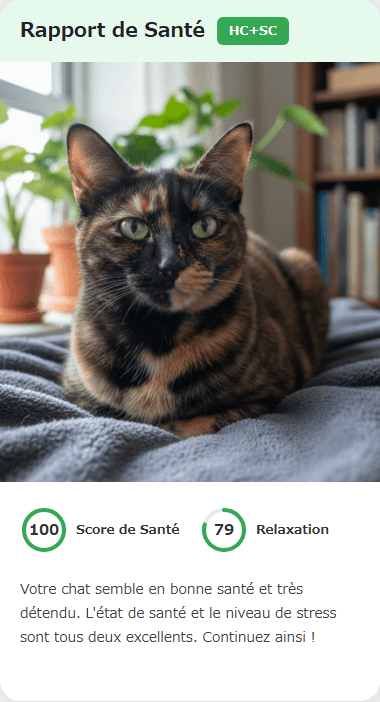

Le compagnon au quotidien de votre chat
Rappels de toilettage, suivi du poids, routine de soins… CatsMe centralise tout dans une seule application.
Plus de 380 000 propriétaires de chats dans 50 pays font confiance à CatsMe


Signs of Whisker Fatigue
- Scooping food out of the bowl and eating it off the floor
- Eating only from the center of the bowl, leaving food around the edges
- Sitting in front of a full bowl without eating
- Vocalizing or acting irritable at mealtimes
- Appearing to have loss of appetite
If you notice these behaviors, try changing the bowl first. However, genuine appetite loss or oral health problems can produce similar signs, so see your vet if a bowl change does not resolve the issue.
Solutions: Choosing the Right Bowl
Shallow, wide bowls: Choose a flat dish or saucer where whiskers will not touch the sides. A diameter of 15 cm (6 inches) or more is recommended.
Material: Stainless steel or ceramic bowls are best. Plastic develops scratches that harbor bacteria and can contribute to chin acne.
Whisker-friendly bowls: Specially designed bowls with low edges are available and marketed specifically for whisker-sensitive cats.
Water bowls too: A wide, shallow water dish is easier for cats to drink from than a deep one.
Elevated feeders: Raising the bowl slightly off the ground reduces neck strain and makes eating more comfortable. This is especially helpful for senior cats and cats with arthritis.
Step-by-Step Guide to Solving Whisker Fatigue
Follow this process to determine whether whisker fatigue is the issue and resolve it effectively.
Step 1: Observe the behavior. Document specific patterns — scooping food out, eating only from the center, or vocalizing at mealtimes.
Step 2: Switch the bowl. Replace with a shallow, wide dish (15 cm / 6 inches or wider) made of ceramic or stainless steel.
Step 3: Monitor for improvement. Observe for 1–2 weeks after the change. Most cats show noticeable improvement within days.
Step 4: If no improvement. Consider other causes such as oral health problems, appetite loss, or dental pain, and consult your veterinarian.
Common Mistakes Related to Whisker Fatigue
Be careful to avoid these errors when addressing whisker fatigue.
Mistake 1: Trimming the whiskers. Never do this. Whiskers are essential sensory organs. Cutting them severely impairs spatial awareness and causes significant stress.
Mistake 2: Adding more food to a deep bowl. The issue is the bowl shape, not the food volume. Switching to a shallow bowl is the solution.
Mistake 3: Labeling it as picky eating. Leaving food behind may be a discomfort response, not preference. Change the bowl before concluding your cat is finicky.
Mistake 4: Switching to a shallow plastic bowl. Even shallow plastic bowls scratch easily and harbor bacteria, contributing to chin acne. Use ceramic or stainless steel.
Expert Tips on Whisker Health and Feeding
Animal behavior and nutrition experts recommend these approaches for managing whisker sensitivity.
Understand whisker function. Cat whiskers measure body width, detect air currents, and assist navigation in darkness. This extreme sensitivity is precisely what makes deep bowls uncomfortable.
Try a food mat. Spreading wet food on a flat feeding mat eliminates bowl-related stress entirely.
Apply the same principle to water. Deep water bowls cause the same whisker contact issue. Water fountains are often better because flowing water does not require the cat to dip whiskers into a container.
Individualize in multi-cat homes. Whisker sensitivity varies between cats. Providing shallow bowls only for the affected cat while keeping standard bowls for others is a practical solution.
Pourriez-vous répondre « depuis quand ça dure ? »
Quand votre vétérinaire pose la question, ne restez pas sans réponse. CatsMe enregistre automatiquement les scores de santé quotidiens, partageables en un seul geste.
ヒゲウィスカーファティーグ食器ストレス
FAQ
 CatsMe
Soyez prêt à agir dès que vous sentez que quelque chose cloche
Une seule photo suffit : l'IA lit la douleur et l'état de santé sur l'expression de votre chat. Vérifiez au moment où vous vous inquiétez et partagez le suivi avec votre vétérinaire.