

Why Hydration Matters for Cats
Cats descend from desert-dwelling ancestors and have a naturally low thirst drive. Yet adequate hydration is critical for preventing kidney disease and feline lower urinary tract disease (FLUTD).
Ideal daily water intake: About 40–60 ml per kilogram of body weight. A 4 kg (9 lb) cat should consume roughly 160–240 ml per day, including moisture from food.
Note that a sudden increase in water consumption can also be a sign of illness and should not be ignored.
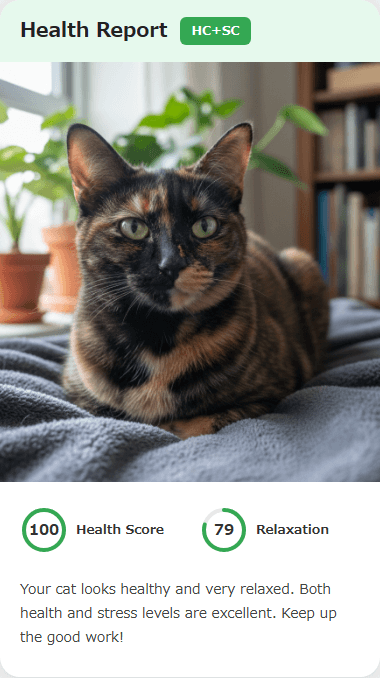

Your cat's daily companion
From grooming reminders to weight trends, CatsMe keeps your cat's care routine on track — all in one app.
Used by 380,000+ cat owners in 50 countries


Water Fountain Pros and Cons
Pros:
- Moving water attracts cats and encourages them to drink more
- Built-in filters keep the water clean
- Provides fresh water even when you are away from home
Cons:
- Requires regular disassembly, cleaning, and filter replacement
- Some cats dislike the motor noise
- Risk of malfunction (no water during power outages)
What to look for: Choose a model with a quiet motor, easy-to-disassemble design, and BPA-free materials. Ceramic fountains are hygienic, heavy enough to resist tipping, and simple to keep clean.
Tips to Boost Your Cat's Water Intake
Add wet food: Wet food is about 80% water. Cats fed only dry kibble are chronically prone to mild dehydration. See our food guide for recommendations.
Place water stations around the house: Offer water in multiple locations, away from litter boxes and food bowls.
Experiment with bowl materials: Try ceramic, glass, or stainless steel — individual cats have strong preferences. Avoid plastic, as scratches harbor bacteria.
Change water daily: Most cats prefer fresh water and will drink more if it is replaced every day.
For faucet-loving cats: A water fountain mimics running tap water, which many cats find irresistible.
Flavor the water: Adding a small amount of unsalted chicken broth to food or water can increase both fluid intake and appetite.
Step-by-Step Guide to Setting Up the Ideal Water Station
Follow these steps to create a water station setup that maximizes your cat's fluid intake and supports long-term kidney and urinary health.
Step 1: Determine the number of water stations. The baseline is one per cat plus one extra. Even for a single cat, placing water in two to three locations around the home improves accessibility and encourages more frequent drinking.
Step 2: Choose strategic locations. Keep water stations away from litter boxes and at least 50 cm from food bowls. Cats instinctively prefer to drink away from food and waste areas. Place stations along your cat's regular pathways and near favorite resting spots.
Step 3: Select the right bowls. Start with shallow, wide ceramic or stainless steel bowls. A broad opening prevents whisker fatigue and makes the drinking experience comfortable.
Step 4: Consider a water fountain. A fountain is especially beneficial for cats that drink very little, those at higher risk for kidney disease, or cats that are fascinated by running tap water. The movement and filtration keep water fresh and appealing.
Step 5: Monitor daily water intake. Track how much your cat drinks — the target is 40–60 ml per kilogram of body weight daily. A sudden increase or decrease in consumption may signal a health problem that warrants veterinary attention.
Common Mistakes in Cat Hydration
Avoid these frequently made errors that compromise your cat's hydration status.
Mistake 1: Feeding only dry food without considering water intake. Dry kibble contains roughly 10% moisture compared to 80% in wet food. Cats on an exclusively dry diet are chronically prone to mild dehydration, which places cumulative stress on the kidneys over time.
Mistake 2: Only one water location. A single bowl next to the litter box discourages drinking. Distribute multiple water stations throughout your home to make access effortless from anywhere.
Mistake 3: Neglecting fountain maintenance. Skipping filter changes and allowing biofilm buildup turns a water fountain into a bacteria incubator. Commit to weekly disassembly and cleaning to keep the water genuinely clean and appealing.
Mistake 4: Using plastic bowls. Plastic scratches easily, harboring bacteria in the micro-grooves, and has been linked to chin acne in cats. Switch to ceramic or stainless steel for both hygiene and durability.
Mistake 5: Assuming increased drinking means everything is fine. The early symptoms of kidney disease and diabetes include noticeably increased water consumption. If your cat is drinking significantly more than usual, schedule a veterinary visit rather than celebrating improved hydration.
Expert Tips for Maximizing Cat Hydration
Veterinary specialists recommend these advanced techniques for boosting hydration in cats that are reluctant drinkers or have specific health needs.
The ice cube trick. Floating an ice cube in the water bowl attracts some cats by providing movement and visual interest. This also helps keep water cool during hot summer months, which many cats prefer.
Create food soup. Add one to two tablespoons of lukewarm water to wet food to create a soupy consistency. This simple modification can significantly increase daily fluid intake with no additional effort.
Adjust water station height. For senior cats and those with arthritis, elevating the water bowl slightly reduces neck strain and makes drinking more comfortable, which often leads to increased consumption.
Combine with puzzle feeders. Loading wet food into a food puzzle provides mental stimulation, physical activity, and hydration simultaneously — a triple benefit that also supports weight management.
Adapt to seasons. During summer, water warms quickly and should be changed more frequently. In winter, indoor heating dries the air and increases water needs — add extra water stations or use a humidifier alongside your regular setup.
When to Consult a Vet About Water Intake
Contact your veterinarian if you notice any of the following changes in your cat's drinking or urination patterns.
Sudden increase in water consumption. Drinking noticeably more than usual is a classic early sign of kidney disease, diabetes, or hyperthyroidism. Blood work can identify the cause.
Barely drinking at all. If your cat goes more than 24 hours without drinking, dehydration is a real risk. This is especially urgent when accompanied by vomiting or diarrhea, which accelerate fluid loss.
Changes in urination. Frequent urination attempts, blood in the urine, or straining to urinate may indicate FLUTD. In male cats, urinary straining is a life-threatening emergency.
Signs of dehydration. Loss of skin elasticity (skin on the back of the neck does not snap back when pinched), dry gums, and lethargy indicate dehydration that requires prompt veterinary care and possibly intravenous fluid therapy.
Turn today’s care into a daily habit
Grooming, weight trends, appetite — CatsMe keeps it all in one place so subtle changes never slip by.
水分給水器脱水腎臓
FAQ
 CatsMe
Be ready the moment you sense something's off
Take one photo and the AI reads pain and condition from your cat's expression. Check the moment you wonder, and share the record with your vet.