

The Bottom Line: Weekly Brushing for Short-Haired Cats, Daily for Long-Haired Breeds
Regular brushing is one of the simplest yet most impactful things you can do for your cat's health. The recommended frequency depends on coat type: once or twice a week for short-haired cats and daily for long-haired breeds. But brushing is far more than cosmetic maintenance — it serves as a frontline health screening tool.
Each brushing session is an opportunity to detect skin abnormalities early — lumps, wounds, parasites, rashes, and hot spots that might otherwise go unnoticed beneath a thick coat. Brushing also reduces the volume of loose fur your cat ingests during self-grooming, which directly prevents hairball vomiting — a common issue that can escalate into dangerous gastrointestinal blockages in severe cases.
Beyond physical health benefits, regular brushing strengthens the bond between you and your cat. The rhythmic, gentle strokes mimic the social grooming cats perform with trusted companions. Many cats come to view brushing as a pleasurable ritual rather than a chore, especially when sessions are kept short and paired with treats. Even five minutes a day makes a meaningful difference in coat quality, skin health, and your relationship with your cat.
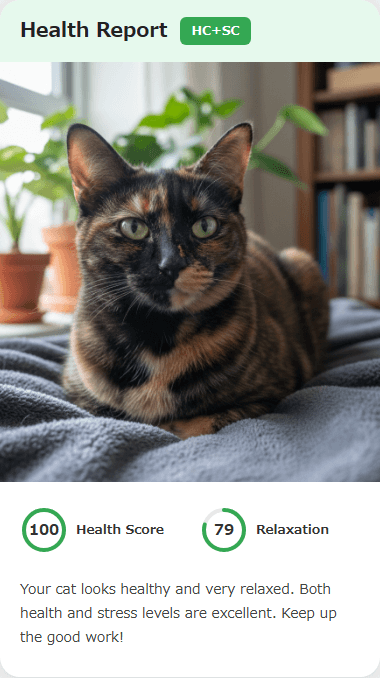

Your cat's daily companion
From grooming reminders to weight trends, CatsMe keeps your cat's care routine on track — all in one app.
50 देशों में 380,000 से अधिक बिल्ली मालिक CatsMe पर भरोसा करते हैं


Brushing Frequency & Brush Selection by Coat Type
Short-Haired Breeds (American Shorthair, Russian Blue, Siamese, etc.)
- Frequency: Once or twice per week
- Best brushes: Rubber curry brush (removes loose fur without irritating the skin), natural bristle brush (distributes skin oils for a healthy shine)
- Tip: Short-haired cats shed less visibly but still benefit from regular brushing to reduce hairball formation.
Long-Haired Breeds (Persian, Maine Coon, Ragdoll, etc.)
- Frequency: Daily is ideal; every other day at minimum
- Best brushes: Wide-toothed metal comb (detangles without pulling), slicker brush (removes loose undercoat), dematting comb (for stubborn knots)
- Tip: Always work through tangles gently from the ends toward the skin. Pulling from the base causes pain and teaches your cat to dread grooming.
Medium-Haired Breeds (Scottish Fold, British Shorthair with dense coat, etc.)
- Frequency: Two to three times per week
- Best brushes: Slicker brush, medium-toothed comb
During Shedding Season (Spring & Autumn)
All coat types shed more heavily as day length changes. Increase brushing frequency during these periods — even short-haired cats may benefit from daily sessions to keep loose fur under control and minimize hairballs.
Proper Brushing Technique: A Step-by-Step Guide
Follow these steps for an effective and enjoyable grooming session:
1. Brush in the Direction of Hair Growth
Start at the head or neck and work your way down to the tail with gentle, flowing strokes. Going against the grain pulls on the hair follicles and causes discomfort, which will make your cat resist future sessions.
2. Start with Preferred Areas, Save Sensitive Spots for Last
Most cats enjoy being brushed along the cheeks, chin, and the top of the head. The belly, base of the tail, and inner thighs tend to be sensitive zones — leave these until the cat is relaxed, and only attempt them if your cat allows it. Never force access to a sensitive area.
3. Handle Mats Carefully — Never Pull
If you encounter a mat or tangle, do not yank it with the brush. Hold the mat at its base (close to the skin) with your fingers to prevent pulling, then gently work through it with a dematting comb or wide-toothed comb starting from the outer edge. Large, tight mats should be carefully cut with blunt-tipped scissors or handled by a professional groomer.
4. Keep Sessions Short
Begin with just two to three minutes and gradually extend the duration as your cat becomes comfortable. It is better to stop while your cat is still enjoying it than to push past their tolerance threshold.
5. Always End with a Reward
Offer a favorite treat or a brief play session immediately after brushing. Consistent positive reinforcement builds a strong association between grooming and good things.
Tips for Cats That Resist Grooming
Many cats are wary of brushing, especially if they have had a painful experience with mats being pulled or if they were not groomed during the socialization window as kittens. Here are strategies to gradually win them over:
- Choose the right moment: Attempt grooming when your cat is already drowsy and relaxed — after a meal or a long play session. A purring cat on your lap is far more receptive than an alert, energetic one.
- Start with your hands: Before introducing any tool, spend several sessions simply petting and massaging your cat in the areas you would brush. This normalizes the sensation of being handled along the back, sides, and neck.
- Switch brush types: If your cat reacts negatively to a slicker brush, try a soft rubber grooming glove or a silicone massage brush. These feel closer to being petted and are far less intimidating.
- Begin with one or two strokes: Literally brush once or twice, then immediately reward. Over days, add one more stroke per session. Progress may feel glacially slow, but this method builds genuine tolerance rather than forced compliance.
- Use calming aids: Feliway spray on the grooming area or a calming treat 30 minutes before the session can reduce anxiety.
If you discover a skin issue during grooming — a lump, rash, wound, or area of hair loss — photograph it with the CatsMe app and share it with a veterinarian through an online consultation for prompt evaluation.
Beyond Brushing: Nail Trimming, Ear Cleaning & Bathing
A complete grooming routine goes beyond coat care. Here are the other essential maintenance tasks every cat owner should know.
Nail Trimming
Indoor cats need their nails trimmed every two to three weeks, since they lack the natural wear that outdoor surfaces provide. Use cat-specific nail clippers — either guillotine-style or scissor-style. Only trim the transparent tip of the nail, avoiding the pink quick (the blood vessel inside the nail). Cutting into the quick causes pain and bleeding. If your cat is anxious, trim just one or two nails per session and spread the job over several days.
Ear Cleaning
Healthy cat ears are largely self-maintaining and rarely need cleaning. Over-cleaning can strip natural protective oils and lead to irritation. However, if you notice excess wax, use a veterinary-approved ear cleaning solution applied to a cotton ball — never insert cotton swabs (Q-tips) into the ear canal, as they can push debris deeper and damage the eardrum. Dark, foul-smelling discharge or intense scratching may indicate ear mites or a bacterial/yeast infection requiring veterinary treatment.
Bathing
Cats are meticulous self-groomers, and most never need a bath. Exceptions include cats that have gotten into a sticky or toxic substance, those with skin conditions requiring medicated shampoo, and certain breeds with oily coats (like Sphynx cats). When bathing is necessary, always use a cat-specific shampoo (human products have the wrong pH), keep the water lukewarm (97–99°F / 36–37°C), work quickly to minimize stress, and dry your cat thoroughly with a towel in a warm room.
What to Watch For: Skin Problems You Can Catch During Grooming
Regular grooming sessions double as a hands-on health check. Your fingers moving through the coat can detect problems that are invisible from a distance. Here is what to watch for:
Skin Abnormalities to Monitor
- Lumps and swellings: Note the location, size, and firmness. Any lump that grows, changes shape, or persists beyond two weeks should be examined by a vet.
- Bald patches: Circular areas of hair loss may indicate ringworm (dermatophytosis), a fungal infection that is contagious to humans. Irregular hair loss can signal allergies, hormonal disorders, or stress-related over-grooming.
- Excessive dandruff: Mild flaking can result from dry air, but heavy or sudden dandruff may point to parasites (Cheyletiella mites, also called "walking dandruff"), metabolic disease, or nutritional deficiency.
- Redness, rashes, or hot spots: Often associated with allergies or flea dermatitis.
- Scabs and wounds: Could be from fights with other cats, self-inflicted scratching due to stress, or underlying skin disease.
- Tiny black specks: Flea feces. Confirm by placing the specks on a damp white tissue — if they dissolve into reddish-brown streaks, fleas are present.
How to Track and Document
- Record the date, location on the body, and size of any abnormality. Photograph it with the CatsMe app for easy comparison over time.
- Re-check the area one to two weeks later to see if it has changed.
- Seek immediate veterinary attention for rapidly growing lumps, bleeding wounds, or areas that cause your cat obvious pain.
By treating every brushing session as a mini health exam, you dramatically improve your chances of catching disease in its earliest, most treatable stage.
Age-Specific Grooming Considerations: Kittens, Adults & Senior Cats
Grooming needs shift as your cat moves through different life stages. Adapting your approach ensures comfort and effectiveness at every age.
Kittens (Under 1 Year)
The kitten period is your best opportunity to establish a positive grooming routine for life. Begin with a soft brush and gentle strokes for just 30–60 seconds at a time. The goal is not thorough grooming but rather building a positive association. Practice touching paws (for future nail trims), ears, and the mouth. Make grooming feel like an extension of play — keep sessions light and fun, always ending with a treat.
Adult Cats (1–10 Years)
Maintain a consistent brushing schedule matched to your cat's coat type. During shedding season, increase frequency to manage loose fur and prevent excessive hairball formation. Watch for areas your cat cannot reach effectively due to weight gain — overweight cats often develop mats and dirty fur around the lower back and rear end because they cannot twist to groom those spots. Regular brushing of these areas prevents hygiene problems and skin infections.
Senior Cats (10+ Years)
Aging cats may stop grooming themselves thoroughly due to arthritis pain, dental discomfort, or general stiffness. A coat that has become unkempt, matted, or greasy when it previously was well-maintained is often the first visible sign of joint pain or illness. Switch to the softest brush available, keep sessions brief and extra gentle, and focus on areas the cat can no longer reach. Nail trimming becomes more critical for seniors — nails thicken with age and can curl into the paw pads if not trimmed regularly. Handle senior cats with extra care, as their skin becomes thinner and more fragile.
क्या आप जवाब दे पाएंगे — "यह कब से हो रहा है?"
जब पशु चिकित्सक पूछे, तो बिना जवाब न रहें। CatsMe रोज़ाना स्वास्थ्य स्कोर अपने आप रिकॉर्ड करता है जिसे एक टैप से शेयर किया जा सकता है।
ブラッシング被毛ケア毛玉グルーミング
Related Symptoms
FAQ
 CatsMe
जिस पल कुछ गलत लगे, उसी पल तैयार रहें
बस एक फ़ोटो लें — AI आपकी बिल्ली के हावभाव से दर्द और सेहत का आकलन करता है। जब भी चिंता हो तभी जाँचें, और रिकॉर्ड अपने पशु-चिकित्सक के साथ साझा करें।