

The Bottom Line: If Your Cat Hasn't Urinated in 24 Hours, Go to the Emergency Vet Now
When a cat visits the litter box repeatedly but produces little or no urine, a urethral obstruction (urinary blockage) may be the cause. This is a true veterinary emergency — without treatment within 48 hours, kidney failure and cardiac arrest can be fatal. "Waiting to see" is dangerous. Male cats are at significantly higher risk because their urethra is narrower and more easily blocked by struvite crystals or mucus plugs. If you suspect your cat has not urinated in 24 hours, head to an emergency animal hospital immediately, day or night.
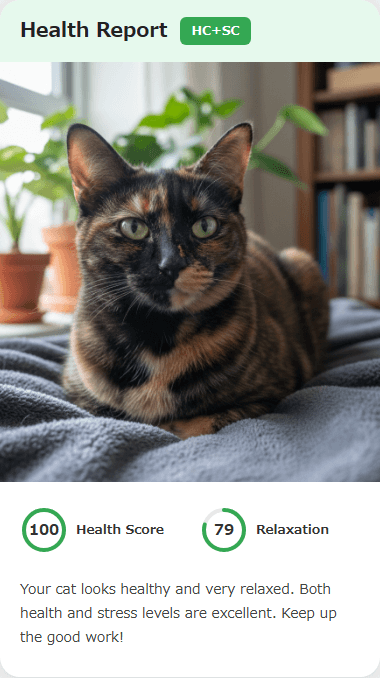

Worried about these symptoms?
Don't wait and wonder. CatsMe's AI analyzes your cat's photo to flag health concerns in seconds.
50 देशों में 380,000 से अधिक बिल्ली मालिक CatsMe पर भरोसा करते हैं


Urinary Blockage Warning Signs Checklist
If multiple signs below are present, seek emergency veterinary care immediately:
- Visiting the litter box frequently but producing no urine, or only a few drops
- Crouching and crying or groaning in the litter box
- Abdomen feels hard and distended; the cat resists being touched there
- Lethargy — lying still and not responding to stimulation
- Vomiting and complete loss of appetite
- Excessive drooling
In cases of complete obstruction, the bladder can rupture. Even if it is the middle of the night, go to an emergency animal hospital.
Other Causes of Difficulty Urinating
Not all urinary difficulty is caused by a blockage. Other possibilities include:
Feline idiopathic cystitis (FIC): Stress and dehydration cause bladder inflammation. Blood in the urine and frequent urination are common, but complete obstruction is less typical.
Bladder stones: Struvite or calcium oxalate stones irritate the urethra. Dietary therapy or surgical removal may be needed.
Urethritis: Infection or irritation causes inflammation of the urethra. The cat may strain painfully but is not fully blocked.
Neurogenic bladder: Spinal disease or nerve damage impairs the urination reflex, making it difficult for the cat to empty its bladder.
Veterinary Treatment and Preventing Recurrence
The standard treatment for urinary blockage is urethral catheterization to relieve the obstruction, followed by intravenous fluid therapy. Severe cases require hospitalization.
The single most important step for preventing recurrence is increasing water intake. Switching to wet food, adding a pet water fountain, and maintaining appropriate sodium levels in the diet all help increase urine volume and keep crystals from accumulating. Prescription urinary diets (such as Hill's c/d or s/d) are effective at dissolving struvite and preventing new crystal formation. For cats that experience repeated blockages, perineal urethrostomy (PU surgery) — a procedure that widens the urethral opening — is a surgical option.
What Tests Will the Vet Run & Costs
When a cat is brought to the emergency vet with suspected urinary blockage, the following tests and procedures are typically performed.
Physical examination (bladder palpation): The vet palpates the abdomen to assess bladder size and firmness. A rock-hard, distended bladder confirms obstruction. Cost including exam fee is roughly 1,500 to 3,000 yen ($10–20 USD).
Urethral catheterization and obstruction relief: Under general anesthesia or heavy sedation, a catheter is passed through the urethra to flush out the blocking material. Cost is approximately 10,000 to 20,000 yen ($70–140 USD) including anesthesia.
Blood work: Kidney values (BUN, creatinine) and electrolytes — especially potassium — are checked urgently. Hyperkalemia (dangerously high potassium) can cause cardiac arrest and is corrected as the top priority. Cost is about 5,000 to 10,000 yen ($35–70 USD).
Urinalysis and sediment examination: Identifies the type of crystals present (struvite vs. calcium oxalate), bacterial infection, and urine pH. Cost is roughly 2,000 to 4,000 yen ($15–30 USD).
Ultrasound: Checks for bladder stones and kidney enlargement. Cost is approximately 3,000 to 8,000 yen ($20–55 USD).
Hospitalization: Severe cases require one to three days of inpatient care for IV fluids, catheter maintenance, and monitoring. Daily cost is about 5,000 to 15,000 yen ($35–100 USD).
Total treatment cost for urinary blockage ranges from roughly 15,000 to 30,000 yen for mild cases to 50,000 to 100,000 yen for severe cases requiring hospitalization. Perineal urethrostomy (PU surgery) for cats with recurrent blockages costs approximately 100,000 to 200,000 yen.
Age-Specific Risk Factors
Young male cats (1–5 years): This is the highest-risk age group for urinary blockage. Neutered, overweight young males are at particularly elevated risk. Stress-related feline idiopathic cystitis (FIC) also peaks in this age range — pay close attention to environmental stressors such as new housemates, multi-cat tensions, and changes to routine.
Middle-aged cats (5–10 years): In addition to struvite stones, the risk of calcium oxalate stones increases. Unlike struvite, calcium oxalate stones cannot be dissolved with dietary therapy and may require surgical removal. Regular urinalysis to check for crystals is advisable.
Senior cats (10 years and older): Chronic kidney disease causes increased urine production, which may coexist with difficulty urinating from other causes. As kidney disease progresses and urine becomes more dilute, crystal formation actually decreases — but the risk of urinary tract infections and pyelonephritis rises. Monitor any changes in urination patterns and maintain regular blood and urine testing.
Female cats: Because the female urethra is wider and shorter, complete urinary blockage is rare in females. However, cystitis and bladder stones occur in both sexes. Blood in the urine or frequent small urinations still warrant a veterinary visit, regardless of the cat's sex.
Prevention Tips
Urinary blockage has a high recurrence rate, but incorporating the following strategies into daily life can significantly reduce the risk of repeat episodes.
Maximize water intake: Switching to wet food is the single most effective measure. For cats that insist on dry food, add warm water to the kibble, install a pet water fountain, and place multiple water stations around the home. The goal is to increase urine volume and dilute the urine, making crystal formation less likely.
Continue prescription diets: Veterinary urinary-care diets adjust urine pH and inhibit struvite crystal formation. Do not discontinue the diet on your own once symptoms improve — the protective effect depends on consistent use.
Manage stress: Stress is the single biggest trigger for feline idiopathic cystitis (FIC). Environmental enrichment — cat trees, hiding spots, and adequate playtime — is essential. In multi-cat homes, follow the rule of providing litter boxes, water bowls, and food stations equal to the number of cats plus one. Pheromone diffusers such as Feliway have also shown benefit in clinical studies.
Optimize the litter box: Keep the litter box scrupulously clean and use a litter type your cat accepts. Scooping once or twice daily is the recommended minimum.
Schedule regular urinalysis: A urine check every six months can detect crystals before they cause a blockage, allowing preventive action while the problem is still manageable.
Discuss Urinary Problems Online with Carelogy
Not sure whether your cat is blocked or just straining? Carelogy's online veterinary consultation can help you quickly assess the urgency. If a complete blockage is suspected, the vet will direct you to the nearest emergency hospital immediately. If the situation points to feline idiopathic cystitis rather than a blockage, the vet can advise on increasing water intake, managing stress, and prescribing pain relief. Dietary consultations for recurrence prevention are also available.
क्या आप जवाब दे पाएंगे — "यह कब से हो रहा है?"
जब पशु चिकित्सक पूछे, तो बिना जवाब न रहें। CatsMe रोज़ाना स्वास्थ्य स्कोर अपने आप रिकॉर्ड करता है जिसे एक टैप से शेयर किया जा सकता है।
尿路閉塞排尿困難猫の泌尿器FLUTD緊急
FAQ
 CatsMe
जिस पल कुछ गलत लगे, उसी पल तैयार रहें
बस एक फ़ोटो लें — AI आपकी बिल्ली के हावभाव से दर्द और सेहत का आकलन करता है। जब भी चिंता हो तभी जाँचें, और रिकॉर्ड अपने पशु-चिकित्सक के साथ साझा करें।