

The Bottom Line: No Bowel Movement for 48 Hours with Straining? See a Vet Promptly
Most cats have one to two bowel movements per day, though this varies with diet, activity level, and water intake. If your cat has not defecated for 48 hours or more and is straining in the litter box or has a visibly distended abdomen, consult a veterinarian. Left untreated, stool hardens inside the colon and can progress to megacolon — a severe condition requiring enemas, IV fluids, or even surgery. Early intervention is far simpler and less stressful for your cat.
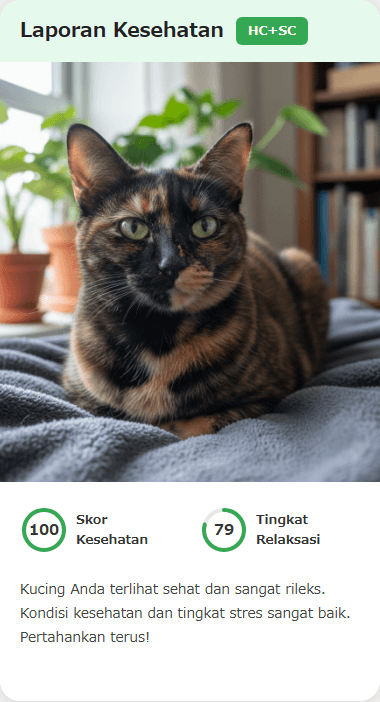

Worried about these symptoms?
Don't wait and wonder. CatsMe's AI analyzes your cat's photo to flag health concerns in seconds.
Dipercaya oleh lebih dari 380.000 pemilik kucing di 50 negara


Common Causes of Constipation in Cats
Inadequate water intake: Common in cats fed dry food exclusively. Insufficient hydration makes stools hard and difficult to pass.
Lack of exercise and obesity: Reduced intestinal motility is particularly common in sedentary, middle-aged indoor cats.
Hairballs: Ingested hair accumulating in the intestines can contribute to constipation. Long-haired breeds are especially prone.
Stress and environmental changes: Moving to a new home, a new pet, or a dirty litter box can cause a cat to hold its stool.
Nerve or muscle problems: Spinal disease, pelvic fracture sequelae, or nerve damage can impair colonic motility.
Megacolon: The colon becomes dilated and loses its ability to contract, causing stool to accumulate. This is the end stage of chronic constipation and may require surgical removal of the colon.
Home Remedies for Cat Constipation
Increase water intake first: Switch to wet food or add warm water to dry kibble to boost moisture content. A pet water fountain can also encourage drinking.
Add fiber: A small amount of plain canned pumpkin (unsweetened) — about one teaspoon every one to two days — helps stimulate bowel movements. Psyllium husk can also be mixed into food.
Encourage exercise: Two daily play sessions of 10–15 minutes with a wand toy or laser pointer help stimulate intestinal motility.
Grooming: For long-haired cats, brush two to three times per week to reduce the amount of hair ingested during self-grooming.
Caution: Human laxatives (senna, bisacodyl, etc.) are dangerous for cats. Mineral oil also carries an aspiration risk and should never be given without veterinary instruction.
Veterinary Treatment for Constipation
Enema and manual disimpaction: Hardened stool often requires a veterinary enema or manual removal under sedation. Never attempt an enema at home — the risk of bowel perforation is serious.
Fluid therapy: IV or subcutaneous fluids correct dehydration and help deliver moisture to the intestinal tract.
Laxatives: Lactulose and polyethylene glycol (PEG) are commonly prescribed to soften stool.
Prokinetic drugs: Medications such as prucalopride may be used for chronic constipation to stimulate colonic contractions.
Surgery (subtotal colectomy): For megacolon unresponsive to medication, surgical removal of most of the colon is the last resort. Success rates are high, and most cats return to a normal lifestyle after recovery.
Home Care vs Emergency Room
Constipation is easily confused with urinary blockage — both cause straining in the litter box — so making the right judgment call matters greatly.
When home care is appropriate: Bowel movement is one day late but appetite and energy are normal. Increase moisture intake (switch to wet food, add warm water to kibble), encourage exercise through play, and try mixing a small amount of plain canned pumpkin (one teaspoon) into the food.
When to see a vet by the next day: No bowel movement for 48 hours or more, repeated straining postures in the litter box, or only small, hard pellets being produced. At this stage, most cats respond well to a veterinary enema and fluid therapy.
When to see a vet the same day: No bowel movement combined with vomiting, a distended abdomen that the cat resists having touched, or lethargy. These combinations raise concern for intestinal obstruction.
Distinguishing constipation from urinary blockage is critical: When you see a cat straining in the litter box, it can be difficult to tell whether the problem is bowel or bladder. Urinary blockage is more common in male cats and features a rock-hard, distended bladder, rapid deterioration, and collapse. If you cannot determine the cause, err on the side of caution and seek emergency care. For male cats in particular, always suspect urinary blockage first.
Age-Specific Risk Factors
Kittens (under 1 year): Constipation is uncommon in kittens, but when it occurs, congenital gastrointestinal abnormalities (such as atresia ani or congenital megacolon) should be considered. If a kitten struggles to defecate, have a veterinarian assess whether a developmental issue is present.
Adult cats (1–7 years): Lack of exercise and obesity are the primary risk factors. Indoor cats fed predominantly dry food with low water intake are especially prone. Stress from moving, new pets, or changes to routine can cause a cat to hold its stool, contributing to constipation.
Senior cats (7 years and older): This is the highest-risk age group for constipation. Age-related decline in intestinal motility, difficulty assuming the defecation posture due to arthritis pain, increased susceptibility to dehydration, and dehydration secondary to chronic kidney disease all compound the risk. Chronic constipation in senior cats can progress to megacolon — a severe, irreversible condition that may ultimately require surgical removal of the colon.
Constipation in older cats is not merely an inconvenience. Left unaddressed, it can escalate into a condition requiring major surgery. Owners of cats aged seven and older should monitor bowel movement frequency and consistency as part of their daily routine.
Prevention Tips
Constipation is largely preventable through consistent daily management.
Maximize water intake: Make wet food the core of your cat's diet, add warm water to dry kibble, and install a pet water fountain to encourage drinking. A cat's appropriate daily water intake is roughly 40 to 60 ml per kilogram of body weight.
Include moderate dietary fiber: Mix one teaspoon of plain canned pumpkin (unsweetened) into food, or add a quarter to half teaspoon of psyllium husk (pre-soaked in water) to meals. Start with small amounts, as too much fiber causes diarrhea.
Establish an exercise routine: Two daily play sessions of 10 to 15 minutes each stimulate intestinal motility. Refer to our guide on play tips for cats for ideas that tap into your cat's natural hunting instincts.
Consistent grooming: Long-haired cats should be brushed two to three times per week to reduce ingested hair. Hairball accumulation in the intestines is a common contributor to constipation.
Optimize the litter box: Keep litter boxes scrupulously clean and positioned in locations the cat finds comfortable. For senior cats, a litter box with low sides makes entry and exit easier, especially for those with arthritis.
Track bowel habits regularly: Using the CatsMe app to log daily bowel movements helps you detect constipation trends early — before they progress to a problem requiring veterinary intervention.
Consult About Constipation Online with Carelogy
From questions like "what food is best for a constipation-prone cat" and "is this laxative dose correct" to urgent concerns like "it has been three days — should I go to the vet tonight," Carelogy's online veterinary consultation covers the full spectrum. Share your cat's medical history, current diet, and bowel habits, and a licensed vet will provide targeted advice on dietary management, medication adjustments, and whether an in-person visit is necessary.
Bisakah Anda menjawab "sejak kapan ini terjadi?"
Saat dokter hewan bertanya, jangan sampai Anda bingung. CatsMe mencatat skor kesehatan harian secara otomatis yang bisa dibagikan hanya dengan satu ketukan.
便秘排便困難巨大結腸猫の消化器食物繊維
FAQ
 CatsMe
Siap bertindak saat Anda merasa ada yang tidak beres
Cukup satu foto: AI membaca rasa sakit dan kondisi kesehatan dari ekspresi kucing Anda. Periksa saat Anda mulai khawatir, dan bagikan catatannya ke dokter hewan.