

Ragdoll Breed Characteristics
Ragdolls are a large breed weighing 9 to 20 pounds (4–9 kg), named for their tendency to go limp like a ragdoll when picked up. They're gentle, people-oriented, and get along well with children and other pets, making them an ideal family cat.
Their gorgeous point-colored coat and piercing blue eyes are unmistakable. Average lifespan is 12 to 17 years.
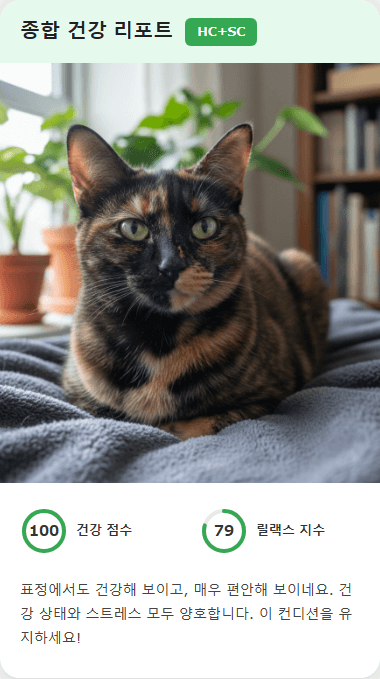

우리 고양이의 '평소와 다른 점', 알아차릴 수 있으신가요?
고양이는 통증을 숨깁니다. CatsMe는 AI로 고양이 얼굴 사진의 표정에서 통증 신호를 확인합니다. 질병을 진단하지는 않으므로, 걱정되면 수의사에게 문의하세요.


Common Health Concerns
Hypertrophic cardiomyopathy (HCM): Ragdolls frequently carry the MYBPC3 gene mutation linked to HCM. Pre-breeding genetic testing and annual cardiac ultrasounds are strongly recommended.
Polycystic kidney disease (PKD): A hereditary condition where cysts form in the kidneys. Ultrasound can catch it early. PKD may progress to chronic kidney disease.
Urinary stones / FLUTD: Ragdolls have a somewhat higher risk for bladder stones. Encouraging adequate water intake is key.
Obesity: Large frame plus big appetite is a recipe for weight gain. Maintaining a healthy weight is one of the best things you can do for their longevity.
Daily Care for a Long, Healthy Life
Weight management: Ideal weight varies widely among large-breed cats. Use the Body Condition Score (BCS) system and work with your vet to find the right target.
Coat care: Their silky semi-long coat is relatively tangle-resistant, but brushing two to three times a week is still recommended. Make grooming part of your routine.
Regular checkups: Schedule a health exam once a year (twice a year after age 7). Add a cardiac ultrasound on top of that.
Exercise: Ragdolls are laid-back and not naturally high-energy. Use indoor exercise ideas to keep them moving without overdoing it.
Practical Tips & How-To: Living with a Ragdoll
Here are practical tips for making the most of life with your gentle Ragdoll companion.
Handling technique: Ragdolls genuinely enjoy being held, but their size demands proper support. Always use one hand under the chest and the other supporting the hindquarters. For children, teach them to sit down first and let the cat settle on their lap rather than trying to lift and carry. This prevents accidental drops that could injure both the child and the cat.
Hydration strategies: To reduce the risk of urinary stones, invest in a pet water fountain — many Ragdolls are fascinated by flowing water and will drink significantly more from a fountain than a still bowl. Aim for at least 50% wet food in their diet, which dramatically increases daily water intake. Placing water stations in multiple rooms further encourages regular drinking.
Play preferences: Despite their laid-back reputation, many Ragdolls excel at fetch and will enthusiastically retrieve lightweight balls and toy mice. This is excellent exercise for a breed that might otherwise be sedentary. Wand toys with feathers also work well for getting them moving. Check our indoor exercise guide for more activity ideas tailored to less energetic breeds.
Brushing technique: Their silky coat rarely tangles, but finishing each session with a stainless steel comb removes loose undercoat and distributes natural oils for a lustrous finish. This takes just two to three minutes and makes a visible difference in coat quality.
Common Misconceptions About Ragdolls
Let's correct some common misunderstandings about Ragdolls that could compromise their care.
"They have a high pain tolerance": The ragdoll relaxation response has spawned an urban legend that these cats don't feel pain as acutely as other breeds. This is completely false. Ragdolls experience pain just like any other cat. In fact, their gentle, stoic nature can make them less likely to show obvious pain signals, which means owners and even veterinarians may miss signs of illness or injury. Always observe carefully for subtle changes — reduced jumping, decreased appetite, or reluctance to be touched in specific areas.
"They don't need exercise": A calm personality doesn't mean a sedentary lifestyle is healthy. As a large breed with a strong tendency toward obesity, Ragdolls actually need deliberate exercise more than many smaller, naturally active breeds. Dedicate 10 to 15 minutes daily to interactive play. Without it, weight gain is almost inevitable, bringing with it increased risks of diabetes, joint problems, and urinary disease.
"Genetic diseases aren't a major concern": Ragdolls are a high-risk breed for both HCM (carrying the MYBPC3 mutation) and PKD. Genetic testing before breeding and annual cardiac ultrasounds are essential — not optional. A cat that looks perfectly healthy can carry these conditions silently for years before sudden, potentially fatal symptoms appear.
Expert Recommendations for Ragdoll Health
Here is what Ragdoll specialists recommend for optimal health management throughout your cat's life.
MYBPC3 genetic testing: When acquiring a Ragdoll from a breeder, always request genetic test results for both parents. For rescue Ragdolls, consider getting the test done independently to understand their HCM risk profile. The test itself is straightforward — a simple cheek swab sent to a veterinary genetics lab — and the information it provides is critical for planning appropriate cardiac screening.
Age-based screening schedule: From ages 1 to 5, schedule annual cardiac ultrasounds plus standard blood work. From age 6 onward, increase to twice-yearly comprehensive health exams including cardiac ultrasound and urinalysis. Pay particular attention to kidney markers (BUN, creatinine, and SDMA), as PKD can silently progress for years before clinical signs emerge.
Weight management program: To maintain target weight (males 12–20 lbs / 5.5–9 kg, females 9–14 lbs / 4–6.5 kg), implement calorie-controlled feeding rather than free-choice access to food. Divide daily intake into two to three scheduled meals and measure portions precisely. Even 10% excess body weight in a Ragdoll significantly increases the risk of diabetes and joint disease.
Joint support: Because of their large frame, consider starting omega-3 fatty acid and glucosamine supplements by age 5. These support cartilage health and provide anti-inflammatory benefits that become increasingly important as your Ragdoll ages.
Record changes in your cat's expression with CatsMe
For Ragdolls, keeping records of weight, meals and vet visits for each cat makes it easier to consult your vet. CatsMe (by Carelogy Inc.) uses AI to check a photo of a cat's face for signs of pain in its expression. It does not diagnose disease, assess overall health or replace a veterinarian; if you are worried, contact your vet regardless of the result.
- Keep dated records of weight, meals and vet visits and vaccinations to show your vet
- Records are kept per cat, so it works for multi-cat homes (iOS, Android and web, 14 languages)
- Developed with a background in university joint research; over 1 million checks run to date
Learn more about CatsMe →
수의사에게 '언제부터 그랬나요?'라고 물으면 답할 수 있으신가요?
CatsMe는 AI로 고양이 얼굴 사진의 표정에서 통증 신호를 확인하고, 고양이별로 날짜가 남는 기록을 보관해 수의사와 함께 살펴볼 수 있게 합니다. 질병을 진단하지는 않습니다.
ラグドール猫種心臓病大型猫長毛種
FAQ
 CatsMe
이상을 느꼈을 때, 바로 행동할 준비를
사진 한 장을 찍으면 CatsMe가 AI로 고양이 얼굴에서 통증 신호를 확인합니다. 고양이별로 날짜가 남는 기록을 보관해 수의사와 함께 살펴보세요. 질병을 진단하지는 않습니다.