

Basic Post-Surgery Home Care
Provide a calm recovery space: Confine your cat to a quiet, warm room. Temporarily block access to cat trees and high surfaces. Keep other pets and small children away.
Restrict activity: Depending on the procedure, cats typically need 1 to 2 weeks of limited activity. For spay or neuter surgery, 7 to 10 days is standard.
Litter box adjustments: Keep the litter box immaculately clean and use a shallow pan that is easy to step into. Paper-based litter is less likely to stick to incision sites.
Anesthesia after-effects: Your cat may be groggy or uncoordinated for 12 to 24 hours after surgery. Guard against falls from furniture or stairs.
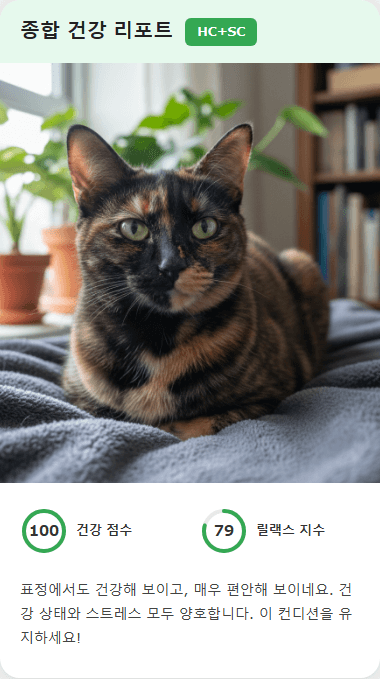

우리 고양이의 매일 건강 파트너
그루밍 알림부터 체중 변화까지, CatsMe 하나로 고양이 건강 관리를 간편하게 해보세요.
50개국 380,000명 이상의 보호자가 사용 중


Feeding and Hydration After Surgery
Day of surgery: Do not offer food immediately after arriving home. Wait a few hours, then offer a small amount of water followed by about one-quarter of the normal meal portion.
Day two onward: If appetite is returning, gradually increase to the normal amount. Contact your vet if appetite loss persists for more than two days.
Vomiting: One or two episodes on the day of surgery can occur as a side effect of anesthesia. If vomiting continues the next day, call your vet.
Hydration: Fresh water should be available at all times. If your cat will not drink, try offering wet food to supplement fluid intake.
Wound Care and the E-Collar
Daily incision checks:
- Is redness spreading beyond the immediate area?
- Is swelling worsening?
- Is there pus or abnormal discharge?
- Are any sutures missing or loose?
E-collar (cone):
- An e-collar is essential to prevent the cat from licking or pulling out stitches.
- Make sure the cat can eat, drink, and use the litter box comfortably while wearing it.
- Some cats do better with a soft fabric cone or donut-style collar.
- Do not remove it until sutures are out (typically 7–14 days).
Call your vet immediately if you notice:
- Bleeding from the incision
- Increasing swelling at the surgical site
- Green or yellow pus
- Fever above 39.5°C (103°F)
- Marked decline in energy or appetite
If you have any concerns during the recovery period, an online veterinary consultation can provide guidance.
Step-by-Step Post-Surgery Recovery Guide
Follow this day-by-day recovery timeline after your cat's surgery.
Surgery day. Rest is the top priority. Offer food in small amounts only. Guard against falls due to anesthesia-related unsteadiness. Ensure the e-collar is in place.
Days 1–3. Begin twice-daily incision inspections. Gradually return to normal food portions. Contact your vet if vomiting persists.
Days 4–7. Activity levels should gradually improve. Vigorous exercise remains restricted. Confirm that incision redness is decreasing rather than spreading.
Days 7–14. Suture removal (if applicable). Your vet confirms adequate wound healing. E-collar comes off.
Weeks 2–4. Full tissue healing completes. Gradually resume normal activity levels.
Common Post-Surgery Mistakes
Avoid these mistakes that can compromise your cat's surgical recovery.
Mistake 1: Removing the e-collar early. Even a few minutes of licking can cause infection or suture failure. Keep the collar on until sutures are removed.
Mistake 2: Applying disinfectant to the incision. Self-directed wound cleaning can impair healing. Do not apply any products unless your vet specifically instructs you to.
Mistake 3: Failing to restrict activity. Allowing jumping or vigorous play before the wound has healed risks dehiscence (wound reopening).
Mistake 4: Returning to full meals too quickly. Start with small portions on surgery day. A sudden return to normal meal sizes can trigger vomiting.
Expert Tips for Smooth Post-Surgery Recovery
Veterinary professionals recommend these strategies for optimal surgical recovery.
Prepare a recovery space. Set up a crate or small room with a low-entry bed, shallow litter box, water, and food within easy reach.
Watch for signs of pain. Appetite loss, hiding, growling when touched, and postural changes all indicate discomfort. Administer prescribed pain medication exactly as directed.
Consider a recovery suit. For cats that are severely distressed by the e-collar, a post-surgical recovery suit (body garment) is an effective alternative that covers the incision while allowing more natural movement.
Isolate from other pets. During the recovery period, keep the surgical patient separate from other cats and dogs. Play or fighting could reopen the wound.
When to Consult a Vet During Post-Surgery Recovery
Contact your veterinarian promptly if you observe any of these post-surgical warning signs.
Bleeding from the incision. Minor oozing may be normal, but active fresh bleeding requires urgent attention.
Swelling or pus at the wound site. These are signs of infection that need antibiotic treatment.
Fever above 39.5°C (103°F). May indicate a post-surgical infection.
Appetite loss lasting more than 2 days. This is particularly concerning in overweight cats due to the risk of hepatic lipidosis.
Sutures missing or wound reopened. The cat may have licked or pulled out stitches. An open wound requires emergency veterinary care.
수의사에게 '언제부터 그랬나요?'라고 물으면 답할 수 있으신가요?
수의사 앞에서 막막해하지 마세요. CatsMe가 매일 건강 점수를 자동으로 기록하고, 탭 한 번으로 공유할 수 있습니다.
手術後術後ケアエリザベスカラー傷口
FAQ
 CatsMe
이상을 느꼈을 때, 바로 행동할 준비를
사진 한 장이면 AI가 고양이의 표정에서 통증과 건강 상태를 읽어냅니다. 걱정되는 순간 바로 확인하고, 기록은 수의사와 공유하세요.