

The Bottom Line: The First Year Shapes a Lifetime of Health
The kitten stage is the most critical period for growth and socialization. Getting nutrition, vaccinations, socialization, and spay/neuter timing right lays the foundation for your cat's long-term health and behavior.
This guide breaks down the essential care milestones month by month. Whether you are welcoming your first kitten or raising a rescue, you will find practical guidance for every stage of that all-important first year.

우리 고양이의 매일 건강 파트너
그루밍 알림부터 체중 변화까지, CatsMe 하나로 고양이 건강 관리를 간편하게 해보세요.
50개국 380,000명 이상의 보호자가 사용 중


Birth to 4 Weeks: Neonatal and Nursing Period
If the mother cat is present: Let mom do the work. Just provide a clean, warm, and quiet space.
If orphaned (bottle feeding):
- Use kitten milk replacer only — cow's milk causes diarrhea
- Feed every 2 to 3 hours, including overnight
- After each feeding, gently stimulate the belly and genital area with a warm damp cloth to encourage urination and defecation
- Warmth is critical: Keep the room at 86 to 90 degrees F (30 to 32 degrees C) during the first week, then gradually lower it
Weight monitoring: Weigh daily. A gain of 10 to 15 grams per day is expected. Any weight loss warrants an immediate vet visit.
4 to 8 Weeks: Weaning and the Start of Socialization
Starting solid food (around 4 weeks):
- Mix kitten wet food with milk replacer into a thin gruel
- Gradually reduce liquid content until fully weaned by 6 to 8 weeks
- Introduce kitten dry food in small amounts
Socialization window (peaks at 2 to 7 weeks):
- Experiences during this period shape the cat's personality for life
- Handle gently every day, ideally by multiple people
- Gradually expose the kitten to various sounds, environments, and textures
- Allow calm interactions with other cats and animals
First vet visit: Schedule the initial check-up at 6 to 8 weeks for a health exam and deworming.
Litter box training: Use a shallow box with fine-grain litter. If the mother cat is present, kittens typically learn by observation with little intervention.
8 to 16 Weeks: Vaccination Series and Going to a New Home
Vaccination schedule:
- 8 weeks: FVRCP (core vaccine) first dose + FeLV/FIV testing
- 12 weeks: FVRCP second dose + FeLV first dose (for kittens that will go outdoors)
- 16 weeks: FVRCP third dose + FeLV second dose
For the full breakdown, see our cat vaccination guide.
Transitioning to a new home (adoption typically at 8 to 12 weeks):
- Start with one room and gradually expand the kitten's territory
- If you have existing cats, use a slow, phased introduction over 1 to 2 weeks
- Thoroughly kitten-proof the home — secure electrical cords, remove small swallowable objects, and eliminate toxic plants
Feeding: Offer kitten food 3 to 4 times a day. High-calorie kitten-specific food is essential through at least 6 months of age.
4 to 12 Months: Spay/Neuter and Transitioning to Adulthood
Spay/neuter surgery (recommended at 4 to 6 months):
- Female cats: Spaying before the first heat dramatically reduces the risk of mammary tumors
- Male cats: Neutering prevents spraying and reduces aggression
- Read more in our spay/neuter guide
Switching to adult food:
- Transition from kitten to adult food at 10 to 12 months
- Mix the two gradually over 7 to 10 days
Post-surgery weight management:
- Basal metabolism drops 20 to 30% after spaying or neutering, so weight gain is common
- Adjust portion sizes accordingly
Microchip: Recommended even for indoor-only cats in case of accidental escape.
Tracking your kitten's health milestones in the CatsMe app makes it easy to share growth trends and vaccination records with your veterinarian.
First-Year Kitten Health Costs: What to Budget For
Before bringing a kitten home, understanding the financial commitment for the first year helps you plan ahead.
Essential medical costs:
- Initial health exam: $25 to $40 (¥3,000–5,000)
- Three rounds of core vaccines (FVRCP): $120 to $200 total (¥15,000–25,000)
- FeLV/FIV testing: $25 to $40 (¥3,000–5,000)
- Deworming: $15 to $40 (¥2,000–5,000)
- Spay/neuter surgery: $120 to $250 (¥15,000–30,000)
- Microchip: $25 to $40 (¥3,000–5,000)
Recurring monthly costs:
- Kitten food: $25 to $65 (¥3,000–8,000)
- Cat litter: $8 to $25 (¥1,000–3,000)
- Flea and parasite prevention: $8 to $15 (¥1,000–2,000)
Initial setup:
- Carrier: $25 to $80 (¥3,000–10,000)
- Litter box and litter: $25 to $40 (¥3,000–5,000)
- Food and water bowls: $8 to $40 (¥1,000–5,000)
- Scratching post and toys: $15 to $40 (¥2,000–5,000)
Estimated first-year total: Roughly $800 to $1,600 (¥100,000–200,000). Pet insurance ($8 to $25 per month) is worth considering for unexpected illness or injury coverage.
Carelogy's online veterinary consultation is a convenient and affordable way to get answers to those small but worrying questions that come up constantly during kittenhood.
The Critical Socialization Window: The Period That Shapes Your Cat's Personality
The kitten socialization window (peaking at 2 to 7 weeks and still influential through 14 weeks) is the single most important period for shaping your cat's lifelong personality and behavior.
Experiences to introduce during this period:
- People: Gentle handling by multiple individuals — men, women, children, and elderly people — every single day
- Sounds: Vacuum cleaner, television, phone ringtones, and even recorded thunder (starting at low volume)
- Touching: Gently handle the paws, ears, mouth area, and belly — this prepares the kitten for future nail trimming, teeth brushing, and medication administration
- Travel: Practice getting in and out of a carrier, short car rides
- Other animals: Calm, supervised introductions to dogs and other cats at a safe distance
Tips for successful socialization:
- Keep every experience positive by pairing it with treats and gentle petting
- If the kitten shows fear, stop immediately. Negative experiences during this window can create lasting trauma.
- Use short sessions (5 to 10 minutes) repeated frequently rather than long, overwhelming ones
What happens when socialization is missed:
- Fear of humans and resistance to being handled
- Difficulty adapting to new environments
- Increased risk of behavior problems such as aggression and excessive hiding
Cats that missed their socialization window (common with rescues) can still improve with patient, consistent handling, but the process is slower and less reliable than getting it right during kittenhood.
Early Signs of Illness in Kittens & When to Rush to the Vet
Kittens deteriorate much faster than adult cats when illness strikes, so recognizing warning signs early is genuinely life-saving.
Emergency signs that demand immediate veterinary care:
- Not eating: A kitten that has not eaten for 12 or more hours is in trouble
- Persistent diarrhea: Dehydration develops rapidly in small bodies
- Lethargy or limpness: If your kitten seems limp or unresponsive, see a vet immediately
- Sneezing, nasal discharge, or eye discharge: May indicate an upper respiratory infection ("kitten cold")
- Bloated abdomen: Can signal heavy parasite load or intestinal obstruction
- Repeated vomiting: Raises concern for foreign body ingestion
Daily weight checks — the simplest and most powerful health monitor:
- Weigh at the same time each day
- A gain of 10 to 15 grams per day is expected (through the first 4 weeks)
- Any weight loss warrants an immediate vet visit
Common kitten illnesses:
- Feline panleukopenia (parvovirus): Highly fatal but preventable with vaccination
- Upper respiratory infections (calicivirus, herpesvirus): Cause conjunctivitis, sneezing, and nasal discharge
- Intestinal parasites: Roundworms, coccidia, and others. Deworming starts at 8 weeks.
- Ringworm: Kittens are especially susceptible due to their immature immune systems
Use the CatsMe app to log your kitten's weight daily and track the growth curve. Deviations from the expected pattern are often the earliest indicator that something needs attention.
수의사에게 '언제부터 그랬나요?'라고 물으면 답할 수 있으신가요?
수의사 앞에서 막막해하지 마세요. CatsMe가 매일 건강 점수를 자동으로 기록하고, 탭 한 번으로 공유할 수 있습니다.
子猫育て方ワクチン離乳食社会化猫の飼い方
FAQ
 CatsMe
이상을 느꼈을 때, 바로 행동할 준비를
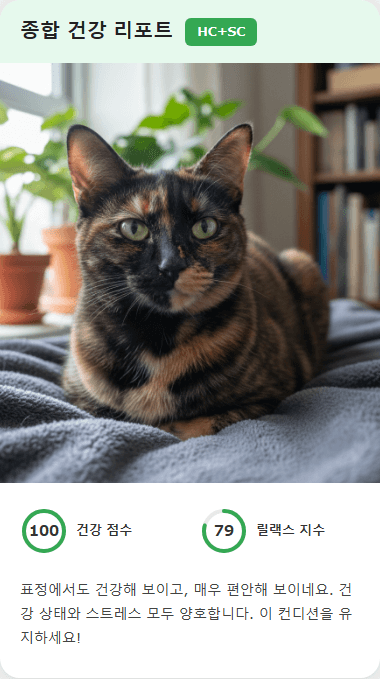
사진 한 장이면 AI가 고양이의 표정에서 통증과 건강 상태를 읽어냅니다. 걱정되는 순간 바로 확인하고, 기록은 수의사와 공유하세요.