

Bad Breath and Drooling in Cats Usually Point to Oral Disease
Strong bad breath and excessive drooling in cats almost always originate from conditions inside the mouth — periodontal disease, stomatitis, or tooth resorption being the most common culprits. A healthy cat's mouth is virtually odorless, so the moment you notice an unpleasant smell, oral trouble is likely already underway.
Periodontal disease alone affects roughly 70 percent of cats over three years of age. Bacteria colonize plaque and tartar along the gum line, producing volatile sulfur compounds that create that characteristic rotten odor. Left untreated, the infection erodes the tissues that anchor teeth, eventually causing loose teeth, abscesses, and chronic pain.
What makes this especially concerning is that cats are masters at hiding discomfort. By the time an owner notices drooling, pawing at the mouth, or reluctance to eat hard food, the disease is often moderately to severely advanced. Early detection — before visible symptoms appear — gives your cat the best chance at conservative treatment rather than extensive extractions.
If you notice any change in your cat's breath, a prompt veterinary oral exam is the single best next step.
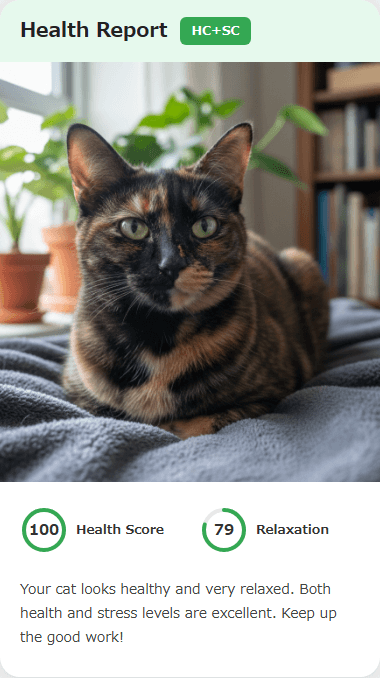

Worried about these symptoms?
Don't wait and wonder. CatsMe's AI analyzes your cat's photo to flag health concerns in seconds.
Dipercayai oleh lebih 380,000 pemilik kucing di 50 negara


Common Causes of Drooling and Bad Breath
Periodontal disease (most common). An estimated 70 percent of cats over age three have some degree of periodontal disease. Plaque and tartar harbor bacteria that inflame the gums, eventually destroying the supporting structures of the teeth. The hallmark signs are red, swollen gums and a foul, fishy odor.
Feline stomatitis (feline gingivostomatitis). This painful condition involves widespread inflammation of the oral mucosa beyond the gum line. Affected cats often drool heavily, paw at their mouths, and refuse food. Feline calicivirus (FCV) is frequently implicated as a contributing factor.
Tooth resorption (FORL). A uniquely feline condition in which the tooth root is gradually destroyed by the body's own cells. It is notoriously difficult to detect on visual exam alone and typically requires dental X-rays for diagnosis.
Kidney disease and liver disease. Systemic illnesses can produce distinctive breath odors — an ammonia or urine-like smell suggests kidney failure, while a sweet or musty odor may point to liver dysfunction.
Home Checks and Initial Care You Can Provide
Start by gently examining your cat's mouth. Look for red or swollen gums, yellowish-brown tartar deposits on the teeth, and any ulcerated or raw areas on the inner cheeks or tongue. If your cat resists, even a quick glimpse can reveal obvious problems.
Dental care. Daily tooth brushing is the single most effective way to prevent periodontal disease. Use a cat-specific toothbrush and enzymatic toothpaste — never human toothpaste, which contains ingredients toxic to cats. Start with short sessions and reward cooperation generously.
Dental diets and chew toys. These are helpful supplements to brushing but should never replace it. VOHC-approved dental foods have demonstrated plaque-reducing benefits. However, if inflammation is already present, treatment must come before preventive care.
Monitor appetite and weight. Cats with oral pain often eat less, chew on one side, or drop food. A sudden decline in appetite can be one of the earliest outward signs of a dental problem that has been silently progressing.
When to Visit the Veterinarian
Schedule a veterinary visit promptly if you observe any of the following:
- Bad breath that persists for more than two to three days without improvement
- Heavy drooling, or drool tinged with blood
- Your cat resists having its mouth touched or cries out when you try
- Reduced food intake or awkward, one-sided chewing
- Noticeable weight loss
Periodontal disease and stomatitis do not resolve on their own. As these conditions progress, treatment escalates from professional cleaning to extractions performed under general anesthesia. Intervening while symptoms are still mild means less invasive procedures, shorter recovery times, and significantly less pain for your cat.
Home Care vs Emergency Room
Most oral problems in cats develop gradually and allow time for a scheduled veterinary visit, but certain signs demand faster action.
When a vet visit within a few days is sufficient: Mild bad breath with no other symptoms, your cat is eating normally, and there is no visible blood or ulceration in the mouth. Begin or continue daily tooth brushing and schedule a dental exam.
When to see a vet within one to two days: Persistent bad breath with reduced appetite, pawing at the mouth, or dropping food while eating. Difficulty chewing often signals advanced periodontal disease or tooth resorption that has reached the painful stage. Switching to softer wet food can reduce discomfort until the appointment.
When to see a vet the same day or seek emergency care: Heavy drooling mixed with blood, complete refusal to eat for more than 24 hours, swelling on the face or jaw, or a sudden onset of drooling combined with lethargy. Sudden profuse drooling in a cat that was recently fine may also indicate toxic ingestion — check the environment for plants, chemicals, or chewed items.
If you can safely glimpse inside your cat's mouth, look for bright red gums, ulcers on the tongue or cheeks, loose teeth, or masses. Even a quick observation can provide valuable information for the veterinarian during an online or in-person consultation.
What Tests Will the Vet Run & Costs
Diagnosing oral disease in cats often requires anesthesia, because a thorough oral exam is nearly impossible on an awake, painful cat.
Conscious oral examination: The vet checks for tartar, gum inflammation, and obvious lesions. Cost is included in the exam fee, typically 1,500 to 3,000 yen ($10–20 USD).
Dental X-rays (under anesthesia): The single most important diagnostic tool for feline oral disease. Full-mouth dental X-rays reveal tooth resorption (FORL), root abscesses, and bone loss invisible on a surface exam. Cost is approximately 5,000 to 15,000 yen ($35–100 USD).
Professional dental cleaning (scaling and polishing): Performed under general anesthesia alongside X-rays. Removes tartar above and below the gum line. Cost ranges from 15,000 to 40,000 yen ($100–270 USD).
Tooth extraction: Cost varies from 3,000 to 10,000 yen per tooth. Full-mouth extractions for severe stomatitis can cost 50,000 to 100,000 yen.
Blood work (pre-anesthetic panel): Required before anesthesia, approximately 5,000 to 10,000 yen.
A typical dental procedure — anesthesia, X-rays, cleaning, and one to two extractions — totals approximately 30,000 to 60,000 yen ($200–400 USD).
Age-Specific Risk Factors
Kittens (under 1 year): Retained baby teeth that do not fall out naturally can cause malocclusion and crowding. If a permanent tooth is erupting next to a baby tooth, veterinary extraction may be needed. Kittenhood is the ideal time to establish tooth-brushing habits that will protect dental health for life.
Adult cats (1–7 years): By age three, an estimated 70 percent of cats show some degree of dental disease. Feline stomatitis (FGS) also typically emerges in this age range, with calicivirus-positive cats at higher risk. Annual dental exams are the cornerstone of prevention.
Senior cats (7 years and older): Tooth resorption (FORL) increases dramatically, affecting up to 70 percent of cats over seven. Because it occurs below the gum line, it is undetectable without dental X-rays. Senior cats with kidney disease may also develop uremic stomatitis — painful oral ulcers caused by toxin buildup — requiring management of the underlying kidney condition alongside oral care.
At every age, daily tooth brushing is the single most impactful thing an owner can do for their cat's oral health.
Consult a Vet Online About Your Cat's Oral Problems
Not sure whether your cat's bad breath warrants a clinic visit? Carelogy's online veterinary consultation lets you get professional guidance from home. During the video call, you can show your cat's mouth using your smartphone camera while the veterinarian assesses the severity and recommends next steps.
For cats that become highly stressed by car rides and waiting rooms, an online consultation is an ideal first step. You will learn what tests or procedures may be needed before committing to an in-person visit, saving both time and anxiety. If dental treatment is required, Carelogy can also refer you to an appropriate veterinary dental specialist for seamless follow-up care.
Bolehkah anda menjawab "bila ini bermula?"
Jangan tergagap bila doktor haiwan bertanya. CatsMe merekod skor kesihatan harian secara automatik yang boleh dikongsi dengan satu sentuhan.
口臭よだれ口内炎歯周病猫の口腔ケア
FAQ
 CatsMe
Bersedia bertindak saat anda rasa ada yang tidak kena
Cukup satu foto: AI membaca kesakitan dan keadaan kesihatan daripada riak wajah kucing anda. Semak pada saat anda risau, dan kongsi rekod dengan doktor haiwan.