

Key Takeaway: Bright Red Spots May Wait, Dark/Black Stool Needs Urgent Care
Blood in your cat's stool can be alarming, but urgency depends heavily on the color and amount of blood.
- Small bright red spots on stool surface → possible mild inflammation near the colon or anus. This often results from minor irritation and can be monitored for 24 hours as long as your cat is eating, drinking, and behaving normally
- Large amount of bright red blood (stool appears entirely red) → colitis, polyps, or foreign body ingestion. See your vet the same day
- Black, tarry stool (sticky consistency, unusually strong odor) → bleeding in the stomach or small intestine. The dark color means blood has been digested, indicating upper GI bleeding. Seek emergency veterinary care immediately
- Bloody mucus (jelly-like) → colitis, parasites, or inflammatory bowel disease (IBD). Requires veterinary evaluation within 1-2 days
When in doubt, you can use online veterinary consultation to send a photo and get professional guidance on urgency.

Worried about these symptoms?
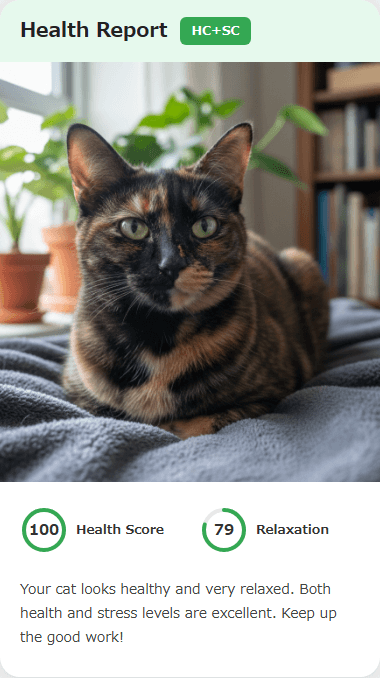
Don't wait and wonder. CatsMe's AI analyzes your cat's photo to flag health concerns in seconds.
Meer dan 380.000 katteneigenaren in 50 landen vertrouwen op CatsMe


7 Common Causes of Blood in Cat Stool
1. Sudden diet changes
Abruptly switching your cat's food can irritate the intestinal lining, causing temporary bloody stool. Always transition to new food gradually over 7-10 days by mixing increasing amounts of the new food with the old.
2. Parasites
Roundworms, tapeworms, and coccidia physically damage the intestinal wall as they feed. Kittens and outdoor cats are at highest risk. A simple fecal exam at the vet can identify the specific parasite.
3. Colitis (including stress-related)
Moving to a new home, introducing a new pet, or other stressful events can inflame the large intestine, producing mucus-coated bloody stool. Stress colitis often resolves once the trigger is removed.
4. Foreign body ingestion
Toy fragments, string, rubber bands, and other swallowed objects can scrape or puncture the intestinal wall. Vomiting often accompanies this condition. String-type foreign bodies are particularly dangerous as they can cause the intestine to bunch up.
5. Inflammatory Bowel Disease (IBD)
A chronic immune-mediated condition where the body's own immune system attacks the intestinal lining. Suspect IBD when diarrhea and bloody stool recur over weeks or months despite treatment.
6. Anal gland issues
Infected or ruptured anal glands produce bright red blood on the stool surface. Watch for scooting behavior (dragging the bottom across the floor) — this is a telltale sign.
7. Tumors (especially in senior cats)
In cats over 10 years old with chronic, unexplained bloody stool, colon polyps or intestinal lymphoma should be investigated. Early endoscopic examination significantly improves outcomes.
Home Care & When to See the Vet
What you can do at home:
- Photograph the stool — This is the single most helpful thing you can do. Vets can assess color, consistency, and blood amount from a clear photo
- Save a stool sample wrapped in plastic wrap or a sealed bag — your vet will need it for fecal testing to check for parasites and bacteria
- Switch temporarily to easily digestible food — boiled chicken breast with white rice, or a veterinary gastrointestinal diet
- Encourage water intake to prevent dehydration — offer fresh water in multiple locations, or try a cat water fountain
See a vet immediately if you notice any of these:
- Black, tarry stool (indicates upper GI bleeding)
- Large volume of blood (entire stool appears red)
- Vomiting combined with bloody stool
- Lethargy or complete loss of appetite
- Blood in stool persisting for more than 2 days
- Any bloody stool in a kitten under 6 months old
The CatsMe app lets you log daily health scores and stool observations, making it easy to track patterns and share a complete history with your vet.
Veterinary Diagnosis & Treatment
Your vet will use a combination of tests to identify the underlying cause:
Diagnostic tests:
- Fecal exam (parasites & bacteria): ~¥2,000-3,000 ($15-25). The first and most important test — quick and inexpensive
- Blood work (infection markers, organ function): ~¥5,000-10,000 ($40-80). Checks for anemia, inflammation, kidney/liver values
- Abdominal ultrasound/X-ray: ~¥5,000-15,000 ($40-120). Visualizes masses, foreign bodies, or intestinal wall thickening
- Endoscopy (for chronic or unexplained cases): ~¥30,000-50,000 ($240-400). Allows direct visualization and biopsy of the intestinal lining
Common treatments by cause:
- Parasites → Deworming medication (often resolves with a single dose)
- Colitis → Anti-inflammatory drugs + prescription gastrointestinal diet
- IBD → Long-term steroid therapy + strict dietary management
- Foreign body → Endoscopic removal or surgical intervention
For mild cases, an initial online consultation can help determine whether an in-person visit is urgently needed.
Monitor Your Cat's Digestive Health Daily with CatsMe
Early detection of bloody stool significantly improves outcomes. The CatsMe app makes daily health monitoring simple and effective.
What CatsMe can do for you:
- AI facial expression analysis detects early signs of pain and discomfort — cats instinctively hide pain, but subtle facial changes reveal it
- Daily health score tracking — Log appetite, stool quality, and activity levels, then visualize trends with easy-to-read graphs
- Symptom checker — Enter symptoms like 'bloody stool' or 'diarrhea' to see possible causes ranked by urgency
- Vet-ready health reports — Share your cat's recorded data with your veterinarian in one tap, giving them an accurate timeline of when symptoms first appeared
Digestive issues can often be narrowed down with just a few days of consistent observation, making daily tracking invaluable.
Try CatsMe now →
Kun je antwoorden op "sinds wanneer is dit aan de gang?"
Als de dierenarts het vraagt, wil je niet met lege handen staan. CatsMe registreert automatisch dagelijkse gezondheidsscores die je met één tik kunt delen.
血便下血消化器猫の病気便の異常獣医師相談
FAQ
 CatsMe
Wees voorbereid op het moment dat je voelt dat er iets niet klopt
Eén foto is genoeg: de AI leest pijn en gezondheid af aan de uitdrukking van je kat. Controleer op het moment dat je twijfelt en deel het logboek met je dierenarts.