

The Bottom Line: Vomiting 3+ Times a Day or Blood in Vomit Means See a Vet Now
Vomiting is one of the most common reasons cat owners seek veterinary advice, and for good reason. While the occasional hairball is perfectly normal, vomiting three or more times in a single day, finding blood in the vomit, or seeing episodes persist for more than two consecutive days are all red flags that demand prompt veterinary attention. These patterns can signal serious conditions ranging from gastrointestinal obstruction to organ disease.
Many owners dismiss vomiting as "just a cat thing," but cats are remarkably good at hiding illness, and by the time vomiting becomes frequent the underlying problem may already be advanced. Keeping a simple log — noting the time, frequency, color, and contents of each episode — gives your vet invaluable diagnostic information. A smartphone photo of the vomit, while unpleasant, can help the veterinarian distinguish between a harmless regurgitation and a symptom of pancreatitis, kidney disease, or an intestinal blockage. Early action almost always leads to simpler, less expensive treatment and a faster recovery for your cat.
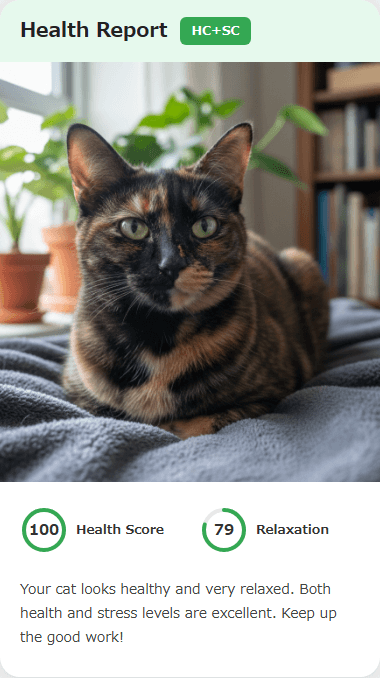

Worried about these symptoms?
Don't wait and wonder. CatsMe's AI analyzes your cat's photo to flag health concerns in seconds.
Meer dan 380.000 katteneigenaren in 50 landen vertrouwen op CatsMe


Causes & Types of Vomiting in Cats
Not all vomiting is created equal. Understanding the type helps you decide how urgently your cat needs help.
Usually harmless vomiting
- Hairballs (trichobezoars): Once or twice a month is typical, especially in long-haired breeds. The cat gags and produces a tubular clump of fur.
- Eating too fast (regurgitation): Food comes back up within minutes, largely undigested. This is technically regurgitation rather than true vomiting. If your cat makes repeated rhythmic spasms right after a meal without bringing anything up, that is more likely hiccups after eating than vomiting.
- Grass eating: Many cats nibble grass and promptly throw it up — a self-induced purge that is generally benign.
Vomiting that needs attention
- Yellow or foamy liquid (bile): Often happens on an empty stomach or signals a gastrointestinal issue. Bile vomiting in the early morning is common when the gap between meals is too long.
- Brown or coffee-ground-colored liquid: May indicate bleeding somewhere in the digestive tract — this warrants same-day veterinary evaluation.
- Multiple episodes in a day: Three or more bouts in 24 hours suggest something beyond a simple upset stomach.
- Foreign objects: Pieces of string, toy parts, or rubber bands in the vomit mean there may be more material still inside. Linear foreign bodies (string, ribbon) are particularly dangerous because they can saw through the intestinal wall.
- Delayed vomiting (hours after eating): Can point to a motility disorder or partial obstruction.
When to Rush to the Vet: Emergency Warning Signs
Some vomiting scenarios require immediate professional evaluation — waiting "one more day" could be dangerous. Head to your veterinarian or an emergency animal hospital right away if you observe any of the following:
- Three or more vomiting episodes within 24 hours. This level of frequency can lead to rapid dehydration and electrolyte imbalances.
- Blood in the vomit — whether bright red streaks or dark, coffee-ground-like material. Both indicate internal bleeding that needs investigation.
- Vomiting lasting more than two consecutive days, even if episodes are infrequent.
- Simultaneous diarrhea, which accelerates fluid loss and raises the risk of shock.
- Lethargy or collapse between vomiting bouts. A cat that vomits and then resumes normal activity is less concerning than one that lies still and shows no interest in its surroundings.
- Suspected foreign-body ingestion — if you notice a missing toy piece, string, or rubber band.
- Inability to keep water down, which quickly leads to dangerous dehydration in cats.
If you are unsure about the urgency, Carelogy's online veterinary consultation can help you assess the situation from home. Share a photo or video of the vomit and describe your cat's behavior — a vet can triage the case and tell you whether an in-person visit is needed right away.
Home Care Tips for a Vomiting Cat
When the vomiting appears mild — a single episode with no blood, and your cat is still alert and hydrated — you can try managing the situation at home before calling the vet.
1. Rest the stomach. Withhold food for two to four hours after the last episode. This gives the gastric lining time to settle. Do not withhold food for longer than 12 hours, as prolonged fasting in cats can trigger hepatic lipidosis (fatty liver).
2. Offer small sips of water. Place a shallow dish nearby and let your cat drink at its own pace. Ice cubes or a small amount of low-sodium chicken broth can encourage fluid intake.
3. Reintroduce bland food gradually. Once the vomiting stops, offer a small portion of easily digestible wet food — boiled chicken breast or a veterinary bland diet works well. Feed four to five mini-meals throughout the day rather than one or two large ones.
4. Step up hairball prevention. Regular brushing reduces the amount of fur your cat swallows. Hairball-control diets and petroleum-based laxative pastes can also help.
5. Slow down fast eaters. Puzzle feeders or slow-feed bowls force your cat to eat more slowly, which dramatically reduces regurgitation in speed-eaters.
If vomiting resumes after reintroducing food, or your cat refuses to eat altogether, stop home care and consult a veterinarian.
What the Vet Will Do: Tests, Diagnosis & Typical Costs
Knowing what to expect at the veterinary clinic can ease anxiety — for both you and your cat. Here is a typical diagnostic workflow for a vomiting cat:
History and physical exam. The vet will ask about vomiting frequency, contents, timing relative to meals, diet changes, and any possible access to toxins or foreign objects. A thorough abdominal palpation checks for pain, masses, or distended intestines.
Blood work (¥5,000–¥15,000 / $40–$120). A complete blood count (CBC) and biochemistry panel evaluate kidney and liver function, electrolyte balance, and white blood cell counts that might indicate infection. Dehydration severity is also assessed.
X-rays (¥3,000–¥8,000 / $25–$65). Radiographs are excellent for spotting foreign objects, intestinal blockages, and abnormal gas patterns. Two views — lateral and ventrodorsal — are standard.
Ultrasound (¥3,000–¥10,000 / $25–$80). Abdominal ultrasound lets the vet examine the thickness of the intestinal walls, look for pancreatic inflammation, and detect free fluid in the abdomen — all in real time and without sedation.
Endoscopy (¥30,000–¥80,000 / $250–$650). Reserved for chronic vomiting cases, endoscopy allows direct visualization of the stomach and upper intestine and enables tissue biopsies. General anesthesia is required.
For a straightforward case, expect to spend ¥10,000–¥30,000 on the initial visit including basic tests. Complex or chronic cases requiring imaging and endoscopy may run ¥50,000–¥100,000. Pet insurance can offset a significant portion of these costs.
Age-Specific Risks: Kittens vs. Senior Cats
The causes and risks of vomiting shift significantly depending on your cat's life stage. Understanding these differences helps you react appropriately.
Kittens (under 1 year)
Parasitic infections — roundworms, coccidia, and giardia — are among the leading causes of vomiting in kittens. Their boundless curiosity also puts them at high risk for swallowing small objects like hair ties, plastic wrappers, and string. Because kittens have minimal body reserves, even half a day of vomiting can cause dangerous dehydration and hypoglycemia. Mild vomiting after vaccination is relatively common and typically resolves within 24 hours. If your kitten vomits more than twice, refuses food, or seems weak, seek veterinary care immediately.
Adult cats (1–6 years)
Hairballs and regurgitation from eating too fast are the most frequent culprits in this age group. Food allergies and inflammatory bowel disease (IBD) often first appear during the adult years, presenting as intermittent vomiting that worsens over months. Foreign-body ingestion remains a risk, particularly for cats that like to chew on string or ribbon.
Senior cats (7+ years)
Chronic vomiting in older cats frequently points to kidney disease, hyperthyroidism, or gastrointestinal lymphoma. Dehydration from vomiting places extra strain on aging kidneys and hearts, making swift intervention essential. Twice-yearly wellness exams with blood work are the best way to catch these conditions before vomiting becomes severe.
Prevention & Long-Term Management
While you cannot prevent every vomiting episode, a few consistent habits can dramatically reduce their frequency and help you spot problems early.
Dietary management
- Transition foods slowly. When switching brands or formulas, mix the new food into the old over seven to ten days. Abrupt changes are one of the most common triggers for vomiting and diarrhea.
- Feed smaller, more frequent meals. Two to three measured portions a day reduces the chance of gorging and subsequent regurgitation.
- Use slow-feed bowls or puzzle feeders. These tools physically slow down fast eaters and add mental enrichment at the same time.
- Choose quality food and check expiration dates. Spoiled or rancid kibble is an underappreciated cause of GI upset.
Environmental safety
- Remove swallowable hazards — string, rubber bands, hair ties, and small toy parts are leading causes of intestinal foreign-body emergencies.
- Eliminate toxic houseplants. Lilies, pothos, and dieffenbachia can cause vomiting — and in the case of lilies, fatal kidney failure.
- Brush regularly to minimize hairball formation, especially in long-haired breeds.
Ongoing health monitoring
- Schedule annual wellness exams (twice a year for senior cats) that include blood work and urinalysis.
- Keep vaccinations and parasite prevention up to date.
- Track your cat's daily condition with the CatsMe app — its facial-analysis AI can detect subtle signs of discomfort before they become obvious.
Do not accept the myth that "cats just vomit." If the frequency is increasing, if patterns are changing, or if you feel something is off, trust your instincts and consult a veterinarian.
Consult a Vet Online About Your Cat's Vomiting
When you are standing over a puddle of vomit at midnight wondering "Is this an emergency?" — that is exactly when an online vet consultation shines. Carelogy's telehealth service lets you connect with a licensed veterinarian from your smartphone at any hour.
- Available around the clock, including nights, weekends, and holidays.
- Visual triage — send a photo or video of the vomit and the vet can assess color, consistency, and likely cause in real time.
- Clear next-step guidance — the vet will tell you whether you can safely monitor at home, whether dietary changes are enough, or whether an in-person visit is needed right away.
- No transport stress — particularly valuable for cats that become highly anxious during car rides or carrier confinement.
Many owners discover during an online session that what they assumed was "normal cat vomiting" actually warranted further investigation. Having easy, low-barrier access to professional advice means problems get caught earlier, treatment is simpler, and your cat stays healthier in the long run.
Kun je antwoorden op "sinds wanneer is dit aan de gang?"
Als de dierenarts het vraagt, wil je niet met lege handen staan. CatsMe registreert automatisch dagelijkse gezondheidsscores die je met één tik kunt delen.
嘔吐吐く毛玉猫の病気
Related Symptoms
FAQ
References
This article is compiled and summarized by the Carelogy editorial team based on publicly available information from the following veterinary organizations, universities, and clinical manuals.
- WSAVA Global Nutrition Committee. WSAVA Global Nutrition Guidelines (2011).
- Cornell Feline Health Center. Vomiting — Feline Health Topics (2017).
- MSD Veterinary Manual. Vomiting in Cats — Digestive Disorders (2023).
- American Animal Hospital Association (AAHA). AAHA Nutritional Assessment Guidelines for Dogs and Cats (2010).
 CatsMe
Wees voorbereid op het moment dat je voelt dat er iets niet klopt
Eén foto is genoeg: de AI leest pijn en gezondheid af aan de uitdrukking van je kat. Controleer op het moment dat je twijfelt en deel het logboek met je dierenarts.