

The Bottom Line: Never Ignore a Cat's Cough — See a Vet After 2 Days
Coughing in cats is a sign that something is going on in the airways, lungs, or heart. Sometimes what looks like a cough is actually your cat trying to bring up a hairball, but a genuine cough — one that produces nothing and keeps recurring for more than two days — always warrants a veterinary consultation. Conditions like feline asthma and bronchitis respond well to proper treatment, but if left unchecked they can progress to serious breathing difficulties. Unlike dogs, cats rarely cough without an underlying medical reason, so even an occasional cough that persists deserves attention. Early intervention means simpler treatment, lower costs, and a much more comfortable life for your cat.
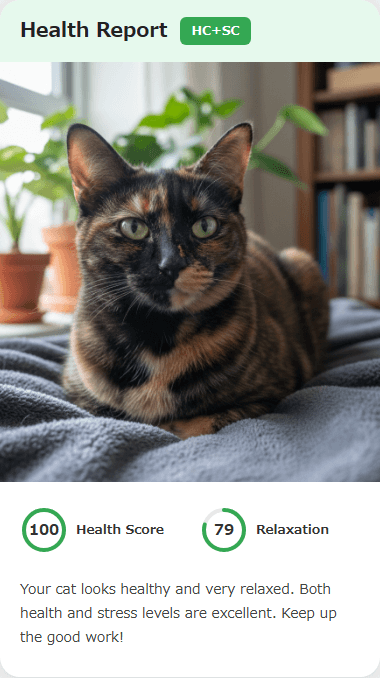

Worried about these symptoms?
Don't wait and wonder. CatsMe's AI analyzes your cat's photo to flag health concerns in seconds.
Över 380 000 kattägare i 50 länder litar på CatsMe


Common Causes of Coughing in Cats
Feline asthma (allergic bronchitis): One of the most frequent culprits. Allergens such as household dust, cigarette smoke, and perfume irritate the airways, triggering spasmodic coughing episodes. You may notice your cat crouching low with an extended neck during an attack.
Infections (cat flu and pneumonia): Feline herpesvirus and calicivirus cause airway inflammation, often accompanied by a runny nose and sneezing.
Heart disease (cardiomyopathy): An enlarged heart can cause fluid to accumulate in the lungs (pulmonary edema), producing a moist, wet-sounding cough. This is more common in middle-aged and older cats.
Parasites (heartworm and lungworm): Particularly common in cats that go outdoors, these parasites can cause a chronic, persistent cough.
How to Tell a Cough from a Hairball
When a cat tries to bring up a hairball, the retching and gagging can look remarkably similar to coughing. With a hairball, the episode usually ends with the cat producing a clump of fur — or, if nothing comes up, the gagging stops on its own. A true cough, on the other hand, produces nothing yet keeps recurring, and it may be accompanied by rapid breathing, open-mouth breathing, or lethargy. One of the best things you can do is record a short video of the episode on your phone. Sharing that clip during an online veterinary consultation lets the vet quickly distinguish between a harmless hairball attempt and a cough that needs treatment.
Emergency Signs That Require Immediate Veterinary Care
Rush to the vet — or an emergency animal hospital, even at night — if you notice any of the following:
- Open-mouth breathing — cats almost never breathe through their mouths unless something is seriously wrong
- The tongue or gums are bluish-purple or pale white (cyanosis), indicating poor oxygen delivery
- Multiple coughing fits within a single hour, with no sign of letting up
- Your cat is lethargic and unresponsive between coughing bouts
- Complete loss of appetite and rapid weight loss occurring alongside the cough
These are hallmarks of severe respiratory or cardiac distress. Time matters — do not wait until morning if you spot any of these signs.
Home Care vs Emergency Room
When your cat's cough is mild, start by reviewing the home environment for airway irritants. Cigarette smoke, incense, scented candles, air fresheners, and dusty litter are all common triggers. Installing an air purifier or switching to a low-dust litter can reduce coughing in some cats. Running a humidifier to keep indoor humidity between 50 and 60 percent also helps prevent the airway lining from drying out.
When home monitoring is appropriate: The cough occurs only once or twice a day, your cat is eating normally, behaving normally, and the resting respiratory rate is under 30 breaths per minute. In this scenario, scheduling a regular veterinary appointment within two days is sufficient.
When to see a vet the same day: The cough occurs several times a day, appetite is slightly decreased, or energy levels are lower than usual.
When to go to the emergency hospital immediately: Open-mouth breathing, bluish or pale gums (cyanosis), respiratory rate above 40 breaths per minute, or a cat that is limp and unresponsive. These signs overlap with the emergency indicators described in our guide to fast breathing in cats.
If you are unsure where your cat falls on this spectrum, the safest course of action is to share a video of the coughing episode through Carelogy's online consultation and let a licensed vet assess the urgency in real time. Acting on professional guidance — rather than guessing at home — can prevent a manageable condition from escalating into a crisis.
What Tests Will the Vet Run & Costs
To pinpoint the cause of your cat's cough, the veterinarian will typically run the following tests.
Chest X-rays: The cornerstone of respiratory diagnostics. X-rays reveal lung and bronchial abnormalities, heart size changes, and fluid accumulation. In feline asthma, the hallmark finding is an enhanced bronchial pattern; in heart disease, cardiac enlargement or pulmonary edema may be visible. Cost is typically around 3,000 to 6,000 yen (approximately $20–40 USD).
Blood work (complete blood count and biochemistry panel): Helps detect infection, eosinophilia (a marker of allergic or parasitic disease), and organ dysfunction. Cost runs about 5,000 to 10,000 yen ($35–70 USD).
Cardiac ultrasound (echocardiography): Essential when cardiomyopathy is suspected. Particularly recommended for middle-aged and older cats presenting with a cough. Cost is roughly 5,000 to 15,000 yen ($35–100 USD).
Bronchoalveolar lavage (BAL): A more advanced test performed under general anesthesia when the cause of chronic coughing remains elusive. Fluid is flushed into the airways and collected for cytology and culture. Cost ranges from 15,000 to 30,000 yen ($100–200 USD).
Heartworm antibody and antigen testing: Recommended for cats that spend time outdoors, to rule out parasitic causes. Cost is about 2,000 to 4,000 yen ($15–30 USD).
The most common first-visit combination — chest X-rays plus blood work — typically totals around 8,000 to 16,000 yen ($55–110 USD). Many pet insurance policies cover diagnostic tests for respiratory symptoms, so check your plan for eligibility.
Age-Specific Risk Factors
Kittens (under 1 year): Immature immune systems make kittens highly vulnerable to upper respiratory infections caused by feline herpesvirus (FHV-1) and calicivirus (FCV). Coughing in kittens often accompanies a runny nose and sneezing, and severe cases can progress to pneumonia. In multi-cat environments, infections spread rapidly, so isolate any symptomatic kitten from housemates and seek veterinary care early — kittens can deteriorate much faster than adult cats.
Adult cats (1–7 years): Feline asthma (allergic bronchitis) is the leading cause of coughing in this age group. Identifying and eliminating environmental allergens — dust, pollen, smoke, and scented products — is central to management. For cats with outdoor access, parasitic causes such as heartworm and lungworm should also be investigated, as these infections can mimic asthma symptoms closely.
Senior cats (7 years and older): Heart disease, particularly hypertrophic cardiomyopathy (HCM), becomes an increasingly important cause of coughing in older cats. Fluid accumulation in the lungs (pulmonary edema) secondary to cardiac dysfunction produces a moist, labored cough that worsens at night or during rest. If excessive thirst, weight loss, or decreased activity accompany the cough, systemic organ disease must be evaluated as well. Annual or biannual health screenings that include chest X-rays and blood work are strongly recommended for cats in this age bracket.
Regardless of your cat's age, any cough that persists for more than two days warrants a veterinary consultation.
Consult a Vet Online with Carelogy
If getting your cat to the clinic is a challenge, Carelogy's online veterinary consultation lets you connect with a licensed vet from home using just your smartphone. Simply send a video of your cat's coughing episode and a vet can assess the likely cause, judge the urgency, advise whether medication can be prescribed remotely, and determine if an in-person visit is needed. Carelogy also supports long-term management consultations for conditions like feline asthma, so you can adjust treatment plans without the stress of repeated clinic trips.
Kan du svara på "när började det här?"
När veterinären frågar, stå inte svarslös. CatsMe registrerar automatiskt dagliga hälsopoäng som du kan dela med en knapptryckning.
咳猫の喘息気管支炎猫の病気呼吸器
FAQ
 CatsMe
Var redo att agera i samma ögonblick du känner att något inte stämmer
En bild räcker: AI:n läser av smärta och hälsa i kattens ansiktsuttryck. Kontrollera i stunden du blir orolig och dela loggen med veterinären.