

What Is the MDR1 Gene and Why It Matters for Your Cat
The MDR1 (Multi-Drug Resistance 1) gene provides instructions for producing P-glycoprotein, a critical protein that acts as a gatekeeper in your cat's body. P-glycoprotein functions as a molecular pump, actively transporting potentially harmful substances — including certain medications — out of sensitive tissues like the brain, intestines, liver, and kidneys.
When a cat carries an MDR1 gene mutation, this pump doesn't work properly. The result is that certain drugs accumulate to toxic levels in the brain and other organs, causing severe neurological side effects that can be fatal. What would be a safe, therapeutic dose for a normal cat becomes a potentially lethal overdose for a cat with this mutation.
While MDR1 mutations have been extensively studied in dogs (particularly Collies and related herding breeds), research from Washington State University (WSU) has now confirmed that cats can also carry MDR1 mutations, and the clinical consequences can be equally severe. The 2026 WSU study developed a new, accessible genetic test specifically for feline MDR1 status, making it possible for the first time to routinely screen cats before prescribing high-risk medications.
This discovery is particularly important because many of the drugs affected by MDR1 mutations are commonly used in veterinary medicine — antiparasitic agents, certain antibiotics, chemotherapy drugs, and even some sedatives. Without knowing your cat's MDR1 status, a routine deworming treatment or a standard pre-surgical sedation protocol could trigger a life-threatening reaction.
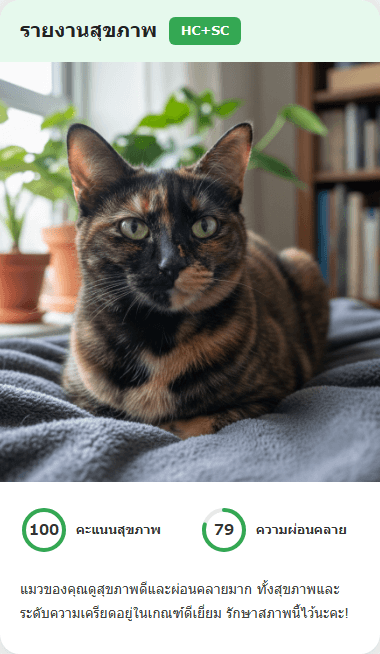

Catch problems before they start
Daily health tracking makes early detection possible. CatsMe logs changes automatically so small shifts don't slip past you.
ทาสแมวกว่า 380,000 คนใน 50 ประเทศไว้วางใจ CatsMe


Which Drugs Are Dangerous and Which Breeds Are at Risk
The WSU research identified several drug categories that pose significant risks to cats with MDR1 mutations. Understanding these categories is essential for any cat owner, particularly those with breeds identified as higher risk.
High-risk drugs for MDR1-mutant cats:
| Drug | Common Use | Risk Level |
|------|-----------|------------|
| Ivermectin (high dose) | Antiparasitic | Very High — seizures, coma, death |
| Selamectin (overdose) | Flea/heartworm prevention | Moderate — normally safe at labeled doses |
| Milbemycin | Heartworm prevention | High — neurological signs |
| Loperamide (Imodium) | Anti-diarrheal | High — CNS depression |
| Acepromazine | Sedation | Moderate — prolonged/profound sedation |
| Vincristine | Chemotherapy | High — increased toxicity |
| Doxorubicin | Chemotherapy | High — increased toxicity |
Breeds with identified or suspected higher risk:
- Mixed-breed cats with unknown genetic background
- Certain pedigree breeds are under investigation, but unlike dogs where specific breeds (Collies, Australian Shepherds) have well-documented high prevalence, feline breed-specific data is still emerging
- The WSU team emphasizes that any cat can potentially carry the mutation, making testing the only reliable way to determine status
Important safety note: Some of these drugs, like selamectin (Revolution), are safe at labeled doses even in MDR1-mutant cats. The danger arises with higher-than-recommended doses, accidental ingestion of dog-formulated products, or when multiple P-glycoprotein substrates are given simultaneously. Always inform your veterinarian about all medications and supplements your cat receives.
The New WSU Genetic Test: How It Works
Washington State University's Veterinary Clinical Pharmacology Laboratory has developed a genetic test that can determine your cat's MDR1 status from a simple cheek swab — no blood draw required. This test represents a significant advance in feline pharmacogenomics and is now available to veterinarians and cat owners worldwide.
How the test works:
1. Your veterinarian orders a test kit from WSU or an affiliated laboratory
2. A painless cheek swab collects cells containing your cat's DNA
3. The sample is mailed to the laboratory in a provided envelope
4. PCR (polymerase chain reaction) analysis identifies whether your cat carries zero, one, or two copies of the MDR1 mutation
5. Results are typically available within 2 weeks
Understanding the results:
- Normal/Normal — No mutation. Standard drug dosing is appropriate.
- Normal/Mutant (heterozygous) — One copy of the mutation. Intermediate sensitivity — dose adjustments recommended for high-risk drugs.
- Mutant/Mutant (homozygous) — Two copies. Maximum sensitivity — significant dose reductions or alternative drugs required for all affected medications.
Cost: Approximately $70-90 USD (¥10,000-13,000). This is a one-time test that provides lifelong information, making it extremely cost-effective compared to the potential cost of treating a drug toxicity reaction.
When to test:
- Before starting any new medication regimen
- Before scheduled surgeries requiring sedation
- When adopting a cat with unknown medical history
- If your cat has ever had an unexplained adverse reaction to medication
Ask your veterinarian about MDR1 testing at your next veterinary visit. Having this information on file ensures that every future prescription is tailored to your cat's genetic profile.
What to Do If Your Cat Has a Drug Reaction
Recognizing and responding quickly to a drug reaction in a cat with MDR1 mutation can be the difference between life and death. These reactions typically develop within hours of drug administration but can sometimes be delayed by 24-48 hours.
Signs of MDR1-related drug toxicity:
- Excessive drooling and salivation
- Disorientation, stumbling, or inability to walk straight
- Dilated pupils that don't respond to light
- Tremors or seizures
- Vomiting (may be repeated)
- Extreme lethargy or unresponsiveness
- Slow heart rate and shallow breathing
- In severe cases, coma
Immediate steps:
1. Do not panic, but act quickly. Note the time symptoms started and what medication was given (drug name, dose, time of administration)
2. Contact your veterinarian or emergency animal hospital immediately. If it's after hours, call the nearest 24-hour emergency veterinary clinic
3. Do not attempt to induce vomiting unless specifically instructed by a veterinarian — depending on the drug and timing, this could worsen the situation
4. Keep your cat warm and quiet while transporting to the veterinary clinic
5. Bring the medication packaging so the veterinarian knows exactly what and how much was administered
Hospital treatment typically includes:
- IV fluids to support circulation and help flush the drug from the system
- Intralipid (lipid emulsion) therapy — a relatively new treatment that can bind lipophilic drugs and reduce their toxicity
- Anti-seizure medication if seizures are occurring
- Supportive care including temperature regulation and monitoring
- Activated charcoal in some cases (if ingestion was recent)
With prompt treatment, many cats recover fully within 48-72 hours. The prognosis is significantly better when the veterinarian is informed that the cat may have an MDR1 mutation, as this guides treatment decisions immediately.
Practical Steps: Protect Your Cat with CatsMe
Understanding your cat's MDR1 status is a crucial piece of their health profile — and once you have this information, it needs to be readily accessible whenever your cat needs medical attention.
Action steps for every cat owner:
1. Ask your veterinarian about MDR1 genetic testing at your next visit
2. Record the test results in your cat's permanent health file
3. Ensure all veterinarians who treat your cat (primary vet, emergency clinic, specialists) have access to this information
4. Before any new medication, ask: "Is this drug affected by MDR1 mutations?"
5. Never give your cat over-the-counter medications without veterinary guidance — some human medications (like loperamide/Imodium) are P-glycoprotein substrates
How CatsMe helps:
- Store your cat's genetic test results and medication history in one accessible place
- Set medication reminders and track any adverse reactions
- Generate comprehensive health reports for emergency situations — when minutes matter, having your cat's full medication history and genetic profile instantly available can save their life
- The symptom checker can help identify potential drug reaction symptoms and guide your emergency response
Pharmacogenomics — tailoring drug treatment to genetic makeup — is the future of both human and veterinary medicine. By testing your cat's MDR1 status today, you are taking a simple, affordable step that could prevent a catastrophic drug reaction tomorrow.
Start tracking your cat's health with CatsMe →
ถ้าสัตวแพทย์ถามว่า "เริ่มเป็นตั้งแต่เมื่อไหร่" คุณตอบได้ไหม?
อย่าปล่อยให้ตัวเองตอบไม่ได้ตอนพบหมอ CatsMe บันทึกคะแนนสุขภาพรายวันอัตโนมัติ แชร์ให้สัตวแพทย์ได้แค่แตะเดียว
MDR1薬物感受性遺伝子変異P糖タンパク質猫 薬 危険WSUイベルメクチン
FAQ
 CatsMe
เตรียมพร้อมตั้งแต่วินาทีที่รู้สึกว่ามีอะไรผิดปกติ
ถ่ายรูปเพียงใบเดียว AI จะอ่านความเจ็บปวดและสภาพสุขภาพจากสีหน้าของแมว ตรวจได้ทันทีที่กังวล และแชร์บันทึกให้สัตวแพทย์ได้