

Bottom Line: Annual or Biannual Checkups Are Key to Early Detection
Cats are masters at hiding pain and illness, so by the time an owner notices something is wrong the disease may already be advanced. Scheduling annual wellness exams — or twice a year for senior cats — allows your vet to catch conditions like kidney disease, diabetes, and hyperthyroidism in their earliest, most treatable stages. Establishing a baseline of normal values when your cat is healthy makes it far easier to spot subtle changes down the road.
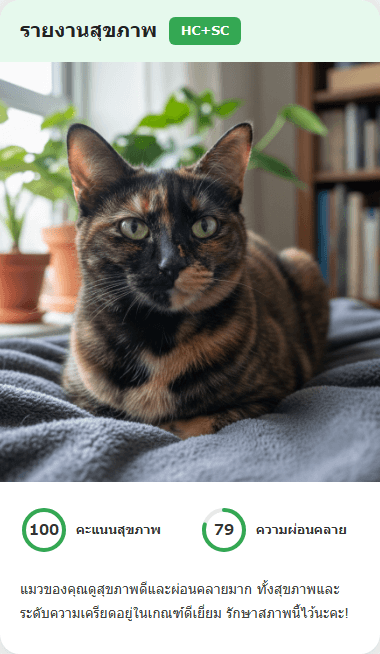

Catch problems before they start
Daily health tracking makes early detection possible. CatsMe logs changes automatically so small shifts don't slip past you.
ทาสแมวกว่า 380,000 คนใน 50 ประเทศไว้วางใจ CatsMe


Standard Health Checkup Tests
Basic Panel (approx. 5,000–15,000 yen)
- Physical examination (visual inspection, palpation, auscultation)
- Weight measurement and BCS (Body Condition Score) evaluation
- Blood work (CBC and biochemistry panel)
- Urinalysis
Optional Add-Ons
- X-ray and ultrasound (to visualize chest and abdominal organs)
- Blood pressure measurement (recommended for cats 7 and older)
- T4 (thyroid hormone) test
- FIV/FeLV (feline AIDS and feline leukemia) antibody screening
Your vet may recommend specific add-ons based on your cat's age, breed, and health history.
Recommended Frequency and Focus Areas by Age
Kittens (under 1 year): Schedule health checks alongside vaccination visits. Parasite and viral screening are recommended.
Adult cats (1–7 years): Once a year with the basic panel is the standard guideline. From age five onward, tracking kidney and liver values regularly provides extra peace of mind.
Senior cats (7 years and older): Twice a year is strongly recommended. Focus on blood pressure, thyroid function, and kidney health. A seven-year-old cat is roughly equivalent to a 44-year-old human, and lifestyle-related disease risk climbs from here.
Cost Estimates and Money-Saving Tips
Checkup costs vary by clinic and the scope of testing.
- Basic panel: 5,000–15,000 yen
- Full panel (including ultrasound and X-ray): 20,000–40,000 yen
Some pet insurance plans reimburse preventive care, so it is worth checking your policy. Carelogy's online consultation lets you discuss symptoms and concerns with a vet beforehand, helping you prioritize tests and avoid unnecessary expenses. Clinics that offer bundled wellness packages often provide better value than ordering each test individually.
Pre-Checkup Consultations via Online Veterinary Care
Not sure what to ask about during a checkup? Noticed your cat's appetite has been slightly off? Carelogy's online veterinary service is available for pre-visit consultations. A licensed veterinarian will review your cat's current symptoms and lifestyle, then recommend which tests to prioritize — so you walk into the clinic prepared and get the most out of your appointment.
Step-by-Step Guide: What to Expect on Checkup Day
Knowing exactly what happens during a wellness exam helps both you and your cat feel more prepared and less stressed on the day.
STEP 1: Preparation at home
Some blood tests require fasting — confirm with your clinic when booking. On the morning of the exam, place your cat in a familiar carrier lined with a towel that carries the scent of home. Cover the carrier with a blanket during transit to reduce visual stimulation and keep your cat calmer.
STEP 2: History and intake interview
The veterinarian will ask about appetite, water consumption, litter box habits, any behavioral changes, and recent concerns. Preparing a written list of observations beforehand ensures nothing important gets overlooked during a short consultation window.
STEP 3: Physical examination
This includes weight measurement and Body Condition Score assessment, palpation of the abdomen and lymph nodes to check for masses, auscultation of the heart and lungs for murmurs or abnormal sounds, an oral inspection for tartar buildup and gingivitis, and a coat and skin evaluation. Each of these checks takes only moments but can reveal conditions that blood work alone would miss.
STEP 4: Sample collection
Blood draws and urinalysis are standard. Many clinics accept urine samples brought from home, which avoids the stress of in-clinic collection — ask about a take-home urine collection kit when you schedule the appointment.
STEP 5: Results and next steps
Some tests produce immediate results on-site, while others are sent to an external laboratory and may take several days. Your vet will explain the numbers in context: what falls within the normal reference range, what constitutes a meaningful change from your cat's personal baseline, and whether any follow-up testing or lifestyle adjustments are recommended.
Common Mistakes Cat Owners Make About Health Checkups
Avoiding these common pitfalls will help you get the most value out of every wellness visit.
Mistake 1: Skipping checkups because your cat "seems fine"
Cats are masters at masking pain and illness. By the time visible symptoms appear, diseases like kidney failure or diabetes may already be advanced. Looking healthy is not the same as being healthy — only diagnostic testing can confirm what is happening inside.
Mistake 2: Not keeping past test results
A single blood panel is useful, but its real power emerges when compared against previous results. A creatinine value that is technically within the normal range but has been steadily rising over three years is a red flag that a one-time snapshot would miss. Always save your cat's lab reports in a dedicated file and bring them to every appointment.
Mistake 3: Feeding before a blood test
Eating before the exam can elevate blood glucose and lipid levels, producing inaccurate results that may trigger unnecessary concern or, worse, mask a real problem. If blood work is planned, follow your vet's fasting instructions precisely — typically no food after midnight.
Mistake 4: Arriving without questions prepared
Consultation time is limited, and it is easy to forget important questions in the moment. Write down your concerns before the visit — changes in behavior, litter box habits, appetite, or anything else that has been on your mind. Using Carelogy's online consultation before the in-person visit lets you sort through your concerns in advance so the clinic appointment runs more efficiently.
Seasonal Health Risks and Checkup Considerations
Different seasons bring different health challenges for cats. Understanding these patterns can help you time checkups strategically and know which tests to prioritize.
Spring: Flea and tick activity ramps up as temperatures rise. Spring checkups should include a review of your parasite prevention plan and a weight check — many indoor cats gain weight during the sedentary winter months, and catching that early makes correction easier.
Summer: The risk of heatstroke and dehydration peaks. Blood work and urinalysis are especially valuable during this period because they reveal kidney stress and hydration status that external observation alone cannot detect.
Autumn: An ideal time to schedule a comprehensive wellness exam alongside annual vaccinations. Use this visit to assess immune readiness heading into the cold-and-flu season and to recalibrate portion sizes if your cat's activity level is about to drop for winter.
Winter: Upper respiratory infections (cat colds) and lower urinary tract disease both spike during cold weather. Reduced water intake is the primary driver of winter urinary problems, so a urinalysis to screen for crystals, stones, and early signs of cystitis is particularly worthwhile at this time of year.
Tracking your checkup results in the CatsMe app throughout the year makes it easy to spot seasonal trends and share a complete health timeline with your veterinarian at each visit.
ถ้าสัตวแพทย์ถามว่า "เริ่มเป็นตั้งแต่เมื่อไหร่" คุณตอบได้ไหม?
อย่าปล่อยให้ตัวเองตอบไม่ได้ตอนพบหมอ CatsMe บันทึกคะแนนสุขภาพรายวันอัตโนมัติ แชร์ให้สัตวแพทย์ได้แค่แตะเดียว
健康診断定期検診血液検査早期発見猫の予防医療
FAQ
 CatsMe
เตรียมพร้อมตั้งแต่วินาทีที่รู้สึกว่ามีอะไรผิดปกติ
ถ่ายรูปเพียงใบเดียว AI จะอ่านความเจ็บปวดและสภาพสุขภาพจากสีหน้าของแมว ตรวจได้ทันทีที่กังวล และแชร์บันทึกให้สัตวแพทย์ได้