

The Bottom Line: Lilies and Alliums Can Be Lethal to Cats
Accidental poisoning in cats is more common than most people realize, and prompt treatment saves lives in the vast majority of cases. The most dangerous culprits are lily plants (even the vase water can be fatal) and alliums (onions, garlic, leeks).
If you suspect ingestion, note what was eaten, when, and how much, then get to a vet immediately. Do not try to induce vomiting on your own.
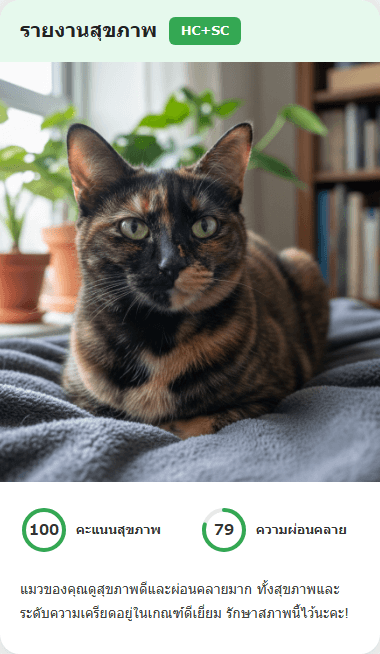

Catch problems before they start
Daily health tracking makes early detection possible. CatsMe logs changes automatically so small shifts don't slip past you.
ทาสแมวกว่า 380,000 คนใน 50 ประเทศไว้วางใจ CatsMe


Foods That Are Toxic to Cats
Life-threatening foods:
- Alliums (onions, garlic, leeks, chives): Destroy red blood cells, leading to hemolytic anemia. Cooking does NOT eliminate the toxin
- Chocolate & cocoa: Theobromine poisoning that affects the heart and nervous system
- Grapes & raisins: Can trigger kidney failure
- Xylitol: Causes severe low blood sugar and liver damage. Found in sugar-free gum and some toothpastes
Foods to avoid:
- Alcohol (dangerous even in tiny amounts)
- Caffeine (coffee, tea)
- Excessive raw fish (risk of thiamine/vitamin B1 deficiency)
- Cow's milk (most adult cats are lactose intolerant and will develop diarrhea)
- Raw egg whites (avidin blocks biotin absorption)
Plants That Are Toxic to Cats
Lilies (most dangerous): Easter lilies, Stargazer lilies, Asiatic lilies, tulips, and more. Every part — petals, leaves, stems, pollen, and even the vase water — is toxic. Even a small amount can cause acute kidney failure, which is fatal without treatment.
Other dangerous plants:
- Aloe vera: Vomiting and diarrhea
- Pothos: Oral irritation and vomiting
- Poinsettia: Mild oral irritation (rarely fatal)
- Lily of the valley: Cardiac toxicity
- Hydrangea: Contains cyanogenic glycosides
- Cyclamen: Vomiting and diarrhea; large ingestions can be fatal
Essential oils: Tea tree oil, peppermint, eucalyptus, and many other essential oils are toxic to cats. Be cautious with diffusers too.
Practice thorough indoor safety and never place plants within your cat's reach.
Human Medications That Are Dangerous to Cats
Never give these human medications to cats:
- Acetaminophen (Tylenol): Lethal to cats. Destroys red blood cells. A single tablet can kill
- Ibuprofen & aspirin: Cause GI bleeding and kidney damage
- Antidepressants (SSRIs): Can trigger seizures and serotonin syndrome
What to do if your cat ingests medication:
1. Record what was swallowed, when, and how much
2. Bring the packaging and go to the vet immediately
3. Do not induce vomiting — it can make things worse with corrosive substances
4. Call an animal poison control hotline for guidance
Treatment within 2 hours is critical for the best outcomes. "Wait and see" is never the right call with suspected poisoning.
Practical Tips & How-To: Cat-Proofing Your Home Against Toxins
Prevention is always better than treatment. Here is a room-by-room guide to eliminating toxin exposure risks.
Kitchen: Store all alliums, chocolate, coffee, and xylitol-containing products in cabinets with childproof locks. Keep cats out of the kitchen during cooking — a curious paw reaching onto a hot stove or into a pot of onion soup creates both burn and poisoning risks simultaneously. Use a trash can with a secure, locking lid.
Living room and bedroom: Move all houseplants to locations completely inaccessible to cats — remember that cats are agile climbers, so "high shelf" isn't always safe enough. The simplest rule for lilies is to never bring them into a home with cats, period. Ban essential oil diffusers from rooms your cat frequents; even ambient exposure to aerosolized tea tree or eucalyptus oil can cause toxicity over time.
Bathroom: All cleaning products, bleach, and human medications belong in locked cabinets. Drain bathwater that contains bath salts or oils immediately after use. Store toothpaste containing xylitol out of reach — cats are attracted to its sweet taste. Even small amounts of xylitol can cause dangerous blood sugar crashes.
Trash management: An open trash can is a treasure chest of hazards for a curious cat. Medication packaging, food scraps (onion peels are a common culprit), and disposable cleaning wipes containing chemicals are frequently ingested by cats rummaging through garbage. Switch every trash can in your home to a model with a secure lid.
Common Misconceptions About Cat Poisoning
These dangerous myths about cat poisoning can cost lives if left uncorrected.
"A tiny amount won't hurt": Lily pollen and acetaminophen are lethal in minuscule quantities. A single lick of lily pollen or one acetaminophen tablet can kill a cat. The safe dose is zero. When in doubt, seek veterinary care immediately regardless of the amount you think was consumed.
"Cooking destroys the toxin": The toxic compounds in alliums (thiosulfates) are heat-stable and survive cooking. Onion soup, cooked garlic, dehydrated onion flakes — all remain dangerous. Even the broth from a pot that contained onions can carry enough toxin to cause hemolytic anemia in a cat.
"Cats instinctively avoid toxic things": This is completely false and one of the most dangerous myths in pet ownership. Cats frequently ingest toxic substances out of curiosity, boredom, or accident. Lily poisoning most commonly occurs when a cat brushes against a lily and later grooms the pollen off its fur — the cat never deliberately "chose" to eat it.
"If no symptoms appear, they're fine": Poisoning symptoms can be delayed by hours or even days. Lily toxicity, for example, may not produce obvious signs for 12 to 24 hours, while acute kidney failure progresses silently over 24 to 72 hours. By the time symptoms become obvious, irreversible damage may have already occurred. Early treatment — before symptoms appear — dramatically improves survival rates.
CatsMe Health Tracking for Poison Prevention
The CatsMe app plays a critical role in both poison prevention and emergency response.
Allergy and medical history records: Log any past poisoning incidents, food sensitivities, or drug allergies in your cat's CatsMe profile. During an emergency, being able to instantly share this information with a veterinarian at an unfamiliar clinic eliminates dangerous guesswork and prevents contraindicated treatments.
Medication tracking: Record the names, dosages, and schedules of all medications prescribed for your cat. This prevents dangerous mix-ups with human medications — a surprisingly common source of accidental poisoning, especially in households where both human and pet medications are stored in the same area.
Symptom documentation: If you notice any potential poisoning symptoms — vomiting, diarrhea, appetite loss, lethargy, or behavioral changes — log them in CatsMe immediately with timestamps. The precise timeline of symptom onset and progression is critical information that directly influences treatment decisions. A vet who knows symptoms started 2 hours ago treats the case very differently from one that started 12 hours ago.
Emergency contacts: Store your regular vet, after-hours emergency clinic, and animal poison control hotline numbers in the app. During a poisoning scare, the ability to pull up the right phone number in three seconds rather than searching through contacts can make a meaningful difference in outcome.
ถ้าสัตวแพทย์ถามว่า "เริ่มเป็นตั้งแต่เมื่อไหร่" คุณตอบได้ไหม?
อย่าปล่อยให้ตัวเองตอบไม่ได้ตอนพบหมอ CatsMe บันทึกคะแนนสุขภาพรายวันอัตโนมัติ แชร์ให้สัตวแพทย์ได้แค่แตะเดียว
中毒有毒植物誤食玉ねぎユリ緊急
FAQ
 CatsMe
เตรียมพร้อมตั้งแต่วินาทีที่รู้สึกว่ามีอะไรผิดปกติ
ถ่ายรูปเพียงใบเดียว AI จะอ่านความเจ็บปวดและสภาพสุขภาพจากสีหน้าของแมว ตรวจได้ทันทีที่กังวล และแชร์บันทึกให้สัตวแพทย์ได้