

The Bottom Line: Cat Skin Problems Have Many Causes — Accurate Diagnosis Is Key
Skin disease in cats can stem from allergies, parasites, fungal or bacterial infections, hormonal imbalances, and more. Even when symptoms look similar, the treatment differs dramatically depending on the underlying cause, so using over-the-counter products without a proper diagnosis can make things worse. If your cat's itching, hair loss, or flaking persists for more than two weeks, it is time to have a veterinarian identify the root cause. Early and accurate diagnosis saves time, money, and unnecessary discomfort for your cat.
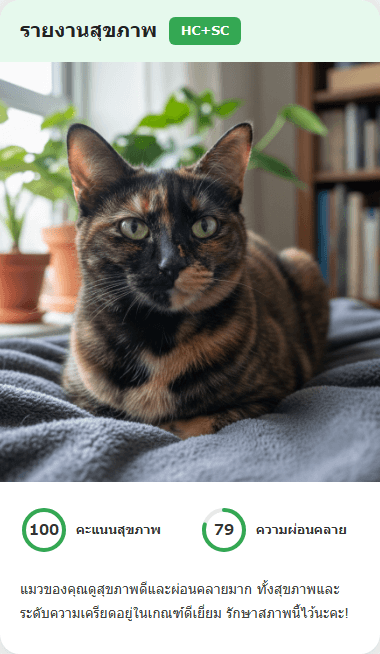

Worried about these symptoms?
Don't wait and wonder. CatsMe's AI analyzes your cat's photo to flag health concerns in seconds.
ทาสแมวกว่า 380,000 คนใน 50 ประเทศไว้วางใจ CatsMe


Common Causes by Symptom Type
Generalized itching and redness: Food allergies, environmental allergies (pollen, dust mites), and flea allergy dermatitis are the most frequent causes. Flea allergy can be triggered by a single flea bite, so even indoor cats are not immune.
Circular patches of hair loss with flaking: This is the classic presentation of ringworm (dermatophytosis), a zoonotic fungal infection that can spread to humans.
Hair loss from over-grooming: Stress-related psychogenic alopecia typically appears on the back, belly, and inner thighs. The skin underneath looks normal.
Black scabs and tiny bumps (miliary dermatitis): If you spot comma-shaped black specks in the fur, those are flea droppings — a telltale sign of flea infestation.
Home Care Tips for Cat Skin Issues
Stay on top of flea prevention: Even indoor-only cats should receive a monthly spot-on flea preventive — it is the foundation of skin-disease prevention.
Dietary management: If a food allergy is suspected, an elimination diet trial lasting 8–12 weeks using hydrolyzed-protein or novel-protein food can help pinpoint the trigger. Giving any other food or treats during the trial invalidates the results, so strict compliance is essential.
Reduce stress: Enrich your cat's environment with cat trees, hiding spots, and interactive hunting-style play. In multi-cat homes, minimizing competition for resources lowers stress-related over-grooming.
Bathing: Medicated shampoos can help certain skin conditions, but using the wrong product may worsen things. Always confirm with your vet before bathing a cat with a skin issue.
Veterinary Diagnosis and Treatment Options
Diagnostic tools include skin tape cytology, fungal culture, allergy testing, and skin biopsy.
Treatment depends on the cause: antibiotics for bacterial infections, antifungals for ringworm, anti-parasitic drugs for parasites, corticosteroids or immunosuppressants for allergies, and oclacitinib (Apoquel) for itch control. A newer option — a monoclonal antibody injection (Solensia / frunevetmab) designed specifically for cats — now allows monthly injections to manage allergic itch with minimal side effects. Your vet will tailor the treatment plan based on test results.
Home Care vs Emergency Room
Most cat skin problems are not emergencies, but certain situations call for prompt action.
When home monitoring is appropriate: Mild itching, a small patch of hair loss, or light flaking, with normal appetite and energy. If your cat is not currently on flea prevention, start a vet-recommended product immediately and observe for one to two weeks.
When to see a vet within a few days: Intense scratching that has broken the skin, expanding areas of hair loss, red and swollen skin, or decreased appetite. Use an Elizabethan collar to prevent further self-trauma while you arrange the appointment.
When to see a vet immediately: Widespread redness and swelling of the skin accompanied by fever or lethargy. This may indicate cellulitis (deep bacterial infection) or a severe allergic reaction that requires urgent treatment.
When ringworm is suspected: Ringworm is not a medical emergency, but because it poses a risk of transmission to humans, early veterinary diagnosis is strongly recommended. In households with young children, elderly individuals, or immunocompromised people, aim to confirm the diagnosis within two to three days. Early treatment also limits environmental contamination, which is notoriously difficult to eliminate once spores have spread throughout the home.
What Tests Will the Vet Run & Costs
Wood's lamp examination: An ultraviolet light screening for ringworm. Quick and inexpensive at roughly 1,000 to 2,000 yen ($7–15 USD), but it produces many false negatives, so it cannot serve as a definitive diagnosis on its own.
Skin scraping: The vet scrapes the skin surface to check for parasites (Demodex mites, scabies) under the microscope. Cost is about 1,000 to 3,000 yen ($7–20 USD).
Fungal culture: The gold standard for confirming ringworm. Results take one to three weeks, but it is the most accurate method. Cost is approximately 2,000 to 5,000 yen ($15–35 USD).
Tape cytology or impression smear: Evaluates the bacteria and yeast present on the skin surface. Cost is about 1,000 to 3,000 yen ($7–20 USD).
Blood allergy testing: Measures IgE antibodies against environmental allergens. Cost ranges from 10,000 to 20,000 yen ($70–140 USD). Note that food allergy diagnosis requires an elimination diet trial rather than a blood test.
Skin biopsy: For chronic skin disease of unknown origin, a small section of skin is removed under local anesthesia and sent for histopathological examination. Cost is approximately 5,000 to 15,000 yen ($35–100 USD).
A standard first-visit workup — skin examination, basic testing, and medication — typically totals 5,000 to 12,000 yen ($35–85 USD).
Age-Specific Risk Factors
Kittens (under 1 year): Ringworm (dermatophytosis) is the most common skin condition in this age group. Kittens from shelters and breeders have particularly high infection rates — if circular bald patches appear after adoption, seek testing immediately. Flea allergy dermatitis can also develop during kittenhood, making age-appropriate flea prevention essential from the start.
Adult cats (1–7 years): This is the peak age for the onset of food allergies and environmental allergies. Classic presentations include head and neck itching and over-grooming of the belly. Establishing an accurate diagnosis and management plan during this period prevents the condition from becoming chronic and progressively harder to control. Stress-related psychogenic alopecia is also most common in this age bracket, particularly in indoor cats in multi-cat households.
Senior cats (7 years and older): Endocrine diseases such as hyperthyroidism can cause noticeable skin and coat changes. A dull, rough coat with progressive thinning warrants blood work to check hormone levels. The risk of skin tumors — including squamous cell carcinoma and mast cell tumors — also increases with age, so any new lump, non-healing wound, or ulcerated lesion on the skin deserves prompt veterinary evaluation.
Get Your Cat's Skin Checked Online with Carelogy
If getting to the clinic is difficult, Carelogy's online veterinary consultation can help. Upload clear photos of the affected skin and a licensed vet will perform a visual assessment, judge the urgency, prescribe initial medications if appropriate, and guide you through an elimination diet if food allergy is suspected. If ringworm is a possibility, an early online consultation is especially valuable — prompt action helps contain the infection and protect the humans in your household.
ถ้าสัตวแพทย์ถามว่า "เริ่มเป็นตั้งแต่เมื่อไหร่" คุณตอบได้ไหม?
อย่าปล่อยให้ตัวเองตอบไม่ได้ตอนพบหมอ CatsMe บันทึกคะแนนสุขภาพรายวันอัตโนมัติ แชร์ให้สัตวแพทย์ได้แค่แตะเดียว
皮膚病脱毛かゆみフケアレルギー
FAQ
 CatsMe
เตรียมพร้อมตั้งแต่วินาทีที่รู้สึกว่ามีอะไรผิดปกติ
ถ่ายรูปเพียงใบเดียว AI จะอ่านความเจ็บปวดและสภาพสุขภาพจากสีหน้าของแมว ตรวจได้ทันทีที่กังวล และแชร์บันทึกให้สัตวแพทย์ได้