

Spraying vs. Inappropriate Urination: How to Tell Them Apart
Spraying: The cat stands upright with its tail raised and deposits a small amount of urine on vertical surfaces such as walls, curtains, or furniture. This is a territorial or stress-related behavior.
Inappropriate urination: The cat squats and urinates a normal volume on horizontal surfaces like floors or beds. This typically stems from litter box issues or urinary tract disease.
Because the solutions differ significantly, distinguishing between the two is the essential first step.
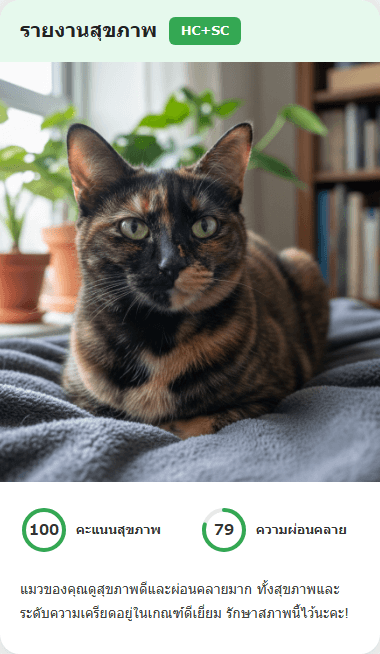

Worried about these symptoms?
Don't wait and wonder. CatsMe's AI analyzes your cat's photo to flag health concerns in seconds.
ทาสแมวกว่า 380,000 คนใน 50 ประเทศไว้วางใจ CatsMe


What Causes Spraying Behavior
Intact status (most common): About 90% of unneutered male cats spray after reaching sexual maturity. Females may also spray during heat. Spaying or neutering resolves the behavior in roughly 90% of cases.
Territorial stress: Tension between cats in multi-cat households or the sight of stray cats through windows can trigger spraying.
Environmental changes: Moving, renovations, new furniture, or a new pet or family member joining the home.
Stress and anxiety: Separation anxiety, boredom, or shifts in the owner's daily routine.
Medical issues: Conditions such as cystitis or diabetes can mimic spraying. Always rule out medical causes first with a vet visit.
Effective Solutions for Spraying
1. Spay or neuter: If your cat is intact, this is the single most effective step. The earlier it is done, the better the outcome.
2. Environmental improvements:
- Add litter boxes (one per cat plus one extra)
- Use Feliway (synthetic feline pheromone) diffusers
- Clean sprayed areas thoroughly with enzymatic cleaners (ammonia-based products make it worse)
3. Remove stress triggers: Block window views of outdoor cats with privacy film. In multi-cat homes, ensure each cat has its own hiding spots and resources.
4. Behavioral therapy: For persistent cases, consult a veterinary behaviorist. Anti-anxiety medication may be prescribed. See also our guide on cat behavior problems.
Step-by-Step Guide to Eliminating Spraying
Work through this structured process to systematically address and resolve spraying behavior in your home.
Step 1: Visit the veterinarian. Rule out medical causes such as cystitis or FLUTD and diabetes with a urinalysis and blood panel. Medical spraying requires medical treatment, not behavioral intervention.
Step 2: Spay or neuter if not already done. Surgical sterilization is the highest-priority intervention. Even if spraying does not stop immediately after surgery, hormonal levels take several weeks to normalize, and most cats show significant improvement within that window.
Step 3: Deep-clean all spray sites. Use a UV blacklight to locate every sprayed area, including spots you may not have noticed. Apply enzymatic cleaner generously and allow it to soak thoroughly. Any residual scent will draw the cat back to repeat the behavior.
Step 4: Improve the environment. Add litter boxes, ensure each cat has individual resources (food, water, scratching posts, and hiding spots), and install Feliway pheromone diffusers in the areas where spraying has occurred.
Step 5: Identify and remove stress triggers. If stray cats are visible through windows, apply privacy film. In multi-cat homes, reassess the social dynamics and ensure no cat is being bullied or denied access to essential resources.
Step 6: Prevent re-marking. Place aluminum foil, double-sided tape, or food bowls at previously sprayed locations. Cats typically avoid spraying near eating areas, which helps override the territorial association with that spot.
Common Mistakes in Dealing with Spraying
These common mistakes often make spraying problems worse instead of better. Understanding what not to do is just as important as knowing the correct approach.
Mistake 1: Treating spraying the same as inappropriate urination. Spraying and litter box accidents have different underlying causes and require different solutions. Accurate identification is the critical first step.
Mistake 2: Cleaning with ammonia-based products. Ammonia resembles a component of cat urine, which effectively invites your cat to spray the same spot again. Always use enzymatic cleaners specifically designed to break down urine compounds.
Mistake 3: Punishing the cat. Scolding, spraying with water, or rubbing the cat's nose in the urine increases fear and stress, which are primary triggers for spraying. Punishment reliably makes the problem worse.
Mistake 4: Ignoring the problem. Spraying behavior becomes habitual quickly. The longer it persists without intervention, the more difficult it becomes to eliminate. Early action significantly improves the success rate of treatment.
Mistake 5: Expecting instant results after neutering. Testosterone levels take several weeks to decline after surgery. Allow at least one month before evaluating whether neutering has resolved the spraying behavior.
Expert Tips for Stubborn Spraying Cases
When basic interventions have not resolved the problem, these advanced strategies are recommended by feline behavior specialists.
Strategic Feliway deployment. Spray Feliway directly on previously marked locations in addition to running plug-in diffusers in the affected rooms. The synthetic facial pheromone creates a "comfort marking" that reduces the cat's perceived need to mark with urine.
Build clearly defined safe zones. In multi-cat households, each cat needs a territory they feel is exclusively theirs. Add vertical space with cat trees and wall shelves, and ensure clear sightline escape routes so no cat ever feels cornered or trapped.
Calming supplements. L-theanine and casein-based supplements may reduce anxiety in some cats and can be tried before resorting to prescription medication. Discuss options with your veterinarian.
Prescription anti-anxiety medication. When behavioral and environmental modifications fail, veterinarians may prescribe medications such as fluoxetine or clomipramine. These drugs are always used in combination with behavioral therapy — never as a standalone solution.
Referral to a certified animal behaviorist. Complex spraying cases involving deeply rooted territorial anxiety or multi-cat conflict benefit most from professional behavioral counseling and a customized treatment plan.
When to Consult a Vet About Spraying
Seek veterinary guidance promptly in any of the following scenarios related to spraying behavior.
Sudden onset of spraying. A cat that has never sprayed before and suddenly starts may have a urinary condition such as cystitis or FLUTD or diabetes. Medical investigation should precede any behavioral intervention.
Escalating frequency. If spraying increases from occasional to daily, the underlying trigger is intensifying and requires professional assessment.
Blood in the urine. Blood visible in sprayed urine is an urgent sign of urinary tract disease that demands immediate veterinary attention.
Persistence beyond one month after neutering. When spraying continues well past the hormonal normalization period, the cause is likely behavioral or environmental rather than hormonal. A dual approach involving both veterinary medicine and behavioral consultation is needed.
Multiple cats spraying in a multi-cat household. This indicates household-wide stress at a level that requires comprehensive environmental restructuring and possibly professional behavioral intervention for the entire group.
ถ้าสัตวแพทย์ถามว่า "เริ่มเป็นตั้งแต่เมื่อไหร่" คุณตอบได้ไหม?
อย่าปล่อยให้ตัวเองตอบไม่ได้ตอนพบหมอ CatsMe บันทึกคะแนนสุขภาพรายวันอัตโนมัติ แชร์ให้สัตวแพทย์ได้แค่แตะเดียว
スプレー行動マーキング尿行動問題
FAQ
 CatsMe
เตรียมพร้อมตั้งแต่วินาทีที่รู้สึกว่ามีอะไรผิดปกติ
ถ่ายรูปเพียงใบเดียว AI จะอ่านความเจ็บปวดและสภาพสุขภาพจากสีหน้าของแมว ตรวจได้ทันทีที่กังวล และแชร์บันทึกให้สัตวแพทย์ได้