

Key Takeaway: You Don't Need to Rehome Your Cat — Coexistence Is Safe with Proper Knowledge
"You should give up your cat when pregnant" — this misconception persists today. The fact is: with proper precautions, you can safely live with cats during pregnancy.
Toxoplasma basics:
- Toxoplasma gondii is a protozoan parasite
- Cats are the only definitive host (sexual reproduction occurs only in cat intestines)
- Infected cats shed oocysts in feces for only 1-2 weeks in their lifetime
- Oocysts become infectious 1-5 days after excretion (fresh feces are safe)
- Indoor-only cats have extremely low infection risk
Impact on pregnant women:
- Only first-time infection during pregnancy can affect the fetus
- Previous infection provides immunity — no concern
- Only about 10% of Japanese women test positive (lower than Western countries)
- Fetal transmission rate varies by trimester (early 15%, mid 30%, late 60%)
Most important fact: The risk of infection from undercooked meat is far higher than from cats.
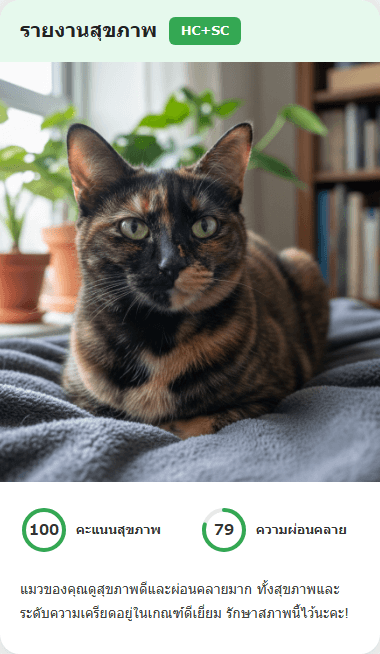

Catch problems before they start
Daily health tracking makes early detection possible. CatsMe logs changes automatically so small shifts don't slip past you.
ทาสแมวกว่า 380,000 คนใน 50 ประเทศไว้วางใจ CatsMe


How Cats Transmit Toxoplasma & The Actual Risk
Infection from cats requires a very specific set of conditions to align simultaneously.
All conditions must be met at once:
1. The cat has a first-time Toxoplasma infection (previously infected cats don't shed)
2. It's within the 1-2 week shedding window
3. Fecal oocysts have been left for 1-5 days to mature
4. The oocysts are ingested orally
In practice:
- Indoor-only cat not fed raw meat → infection risk near zero
- Daily litter box cleaning → oocysts removed before maturation
- Rubber gloves for litter duty → no oral exposure
Higher-risk infection routes than cats:
| Route | Risk level |
|-------|------------|
| Raw/rare steak | Highest |
| Raw meat dishes (tartare, etc.) | Very high |
| Undercooked meat in general | High |
| Unwashed raw vegetables/fruits | Moderate |
| Litter box cleaning (no gloves) | Low |
| Petting your cat / co-sleeping | Near zero |
Testing Before & During Pregnancy
Testing for pregnant women (or those planning pregnancy):
| Test | Purpose | Cost | Notes |
|------|---------|------|-------|
| Toxoplasma IgG antibody | Past infection history | ¥2,000-5,000 | Positive = immune = safe |
| Toxoplasma IgM antibody | Recent infection | ¥2,000-5,000 | Positive = possible recent infection |
| IgG avidity test | Estimate infection timing | Additional ¥3,000-5,000 | Follow-up when IgM positive |
Interpreting results:
- IgG+ / IgM− → Past infection. Immune. Safe during pregnancy
- IgG− / IgM− → Never infected. Maintain prevention measures
- IgG+ / IgM+ → Possible recent infection. Avidity test to confirm timing
Cat testing:
- IgG/IgM antibody testing available for cats (¥5,000-10,000)
- Fecal oocyst exam (hard to detect due to short shedding period)
- Cat IgG positive = shedding period already passed = safe
When to test: Ideally before planning pregnancy. Available as part of TORCH screening at OB/GYN clinics.
7 Prevention Rules During Pregnancy
Practical rules to prevent first-time Toxoplasma infection during pregnancy.
Living with cats:
1. Clean the litter box daily (ideally within 12 hours — removes oocysts before maturation)
2. Ask a family member to handle litter duty (if not possible, use rubber gloves + wash hands immediately)
3. Keep cats indoors only (outdoor cats risk infection through hunting)
4. Don't feed cats raw meat (cooked cat food only)
Diet:
5. Cook meat thoroughly to center (67°C/153°F+). Avoid rare steak, tartare, cured meats
6. Wash raw vegetables and fruits well (oocysts can exist in soil)
7. Wear gloves for gardening (soil may contain cat feces)
Why you don't need to rehome your cat:
- Petting alone cannot cause infection (oocysts are only in feces)
- Cat saliva, fur, and claws do not transmit Toxoplasma
- Co-sleeping with your cat is safe
- Indoor-only + commercial food + daily litter cleaning = near-zero risk
Use CatsMe for daily health checks to monitor your cat's condition too.
Home Care & Practical Tips for Pregnant Cat Owners
Here is a practical daily guide for living safely with your cat during pregnancy. With the right knowledge and habits, you can enjoy your life with your cat while reducing Toxoplasma risk to virtually zero.
Daily litter box cleaning routine:
1. Put on rubber gloves (disposable gloves are ideal)
2. Scoop all clumps and solid matter completely
3. Place waste in a sealed bag and dispose in the trash
4. Remove gloves and wash hands thoroughly with soap for 30 seconds
5. Cleaning within 12 hours is the critical point — this removes oocysts before they become infectious, as sporulation takes 1-5 days
Kitchen safety precautions:
- Never use cutting boards or knives that were used for raw meat preparation to handle your cat's food
- Always wash hands and sanitize cooking utensils after handling raw meat
- Wash cat food bowls separately from family dishes
- Simultaneously maintain awareness of foods toxic to cats that should be kept away from your pet
Garden and outdoor safety measures:
- Always wear rubber gloves when gardening — soil may contain Toxoplasma oocysts from cat or wildlife feces
- Cover sandboxes with lids when not in use, as cats may use uncovered sandboxes as litter boxes
- Thoroughly wash any garden-harvested vegetables before consumption
- Practice rigorous hand hygiene after contact with soil
Pre-pregnancy and pregnancy checklist:
- [ ] Get your own Toxoplasma IgG/IgM test at your OB/GYN
- [ ] Have your cat's feces tested at the veterinary clinic
- [ ] Transition your cat to strictly indoor-only living
- [ ] Ensure your cat eats only commercial food (no raw meat)
- [ ] Designate a litter box cleaning person (partner is ideal)
- [ ] Purchase dedicated gardening gloves
How to discuss this with your partner:
Frame the conversation clearly: 'We do not need to rehome our cat, but I need you to take over litter box duty during pregnancy.' Sharing the scientific evidence for safety makes the request easier to understand and accept.
What the Vet Will Do: Testing Guide for Both Cat and Owner
Toxoplasma testing involves different options for both the cat owner and the cat itself. Getting the right test at the right time is essential for informed decision-making.
Tests for the owner (pregnant or planning pregnancy):
| Test | Meaning | Cost | Timing |
|------|---------|------|--------|
| IgG antibody | Past infection → immunity present | ¥2,000-5,000 | Before pregnancy is ideal |
| IgM antibody | Recent/active infection | Same | Added if IgG negative |
| IgG avidity | Estimates timing of infection | ¥5,000-10,000 | When IgM is positive |
| PCR (amniotic fluid) | Confirms fetal infection | Varies | If IgM positive during pregnancy |
Interpreting your results:
- IgG positive, IgM negative → Reassuring. Past infection has conferred immunity. Risk of reinfection is extremely low
- IgG negative, IgM negative → Not previously infected. Maintain strict prevention measures throughout pregnancy
- IgG positive, IgM positive → Requires further investigation. May indicate recent infection. Avidity testing helps determine timing
Tests for the cat:
- Fecal examination (oocyst detection): Sensitivity is actually quite low because cats only shed oocysts for 1-2 weeks after their initial infection — the timing window is narrow
- IgG/IgM antibody testing: Determines whether the cat has been previously exposed. A positive result suggests the cat has likely already completed its oocyst-shedding phase and poses lower risk
- Important caveat: A negative test in your cat does not guarantee safety, as the cat could become infected for the first time in the future. Prevention measures should continue regardless of test results
Optimal testing timeline:
- Ideally, get tested when you begin planning pregnancy (before conception)
- If first tested after pregnancy is confirmed, do so as early as possible
- Test the cat when pregnancy is confirmed
Estimated costs: owner testing ¥2,000-10,000; cat testing ¥3,000-8,000. Pet insurance may cover the cat's testing in some plans.
Age-Specific & Situation-Specific Toxoplasma Risk Assessment
Toxoplasma risk varies dramatically based on the cat's age, living situation, and the owner's specific circumstances. An accurate, personalized risk assessment is the key to replacing anxiety with confidence.
Cat age and risk level:
- Kittens and young cats (under 3 years): Highest likelihood of shedding oocysts during a first-time infection — this is the most relevant risk period
- Adult cats (3+ years, indoor-only): May have already been infected and completed their oocyst-shedding phase. Re-shedding during reinfection is extremely rare
- Cats with outdoor access (any age): Ongoing risk of new infection through hunting and consuming prey animals
Risk assessment by owner situation:
- IgG positive before pregnancy: You have immunity. Normal life with your cat poses virtually zero additional risk
- IgG negative before pregnancy: No prior immunity, but risk is fully manageable with proper prevention measures
- Immunocompromised individuals (HIV, post-organ transplant): Risk of Toxoplasma reactivation requires specialized medical guidance and heightened precautions
Global data reveals the actual infection risk:
- The probability of a cat owner contracting Toxoplasma specifically from their cat is less than 0.001%
- 50-70% of human Toxoplasma infections come from undercooked meat (rare steak, cured meats, tartare)
- Approximately 10-20% come from contaminated vegetables, fruits, or water
- Litter box transmission accounts for only a small fraction of all human infections
How to respond if told to rehome your cat:
- Unfortunately, some obstetricians still advise pregnant patients to give up their cats
- This recommendation does not reflect current evidence-based guidelines
- The CDC (Centers for Disease Control and Prevention) explicitly does not recommend rehoming cats during pregnancy
- Use evidence-based resources to explain to your healthcare provider that proper prevention measures make cohabitation with cats safe during pregnancy
Combine daily CatsMe health monitoring with regular veterinary consultations to maintain peace of mind throughout your pregnancy while enjoying life with your cat.
Treatment If Infection Occurs
If a pregnant woman is infected:
- Spiramycin: First-line drug in early pregnancy. Low placental transfer minimizes fetal impact
- Pyrimethamine + sulfadiazine: When fetal infection is confirmed in mid/late pregnancy
- Treatment can reduce fetal transmission rate by 60-70%
If your cat is infected:
- Healthy adult cats are usually asymptomatic and recover naturally
- Kittens or immunocompromised cats may develop pneumonia or encephalitis
- Treatment: Clindamycin (2-4 week course)
Congenital toxoplasmosis (fetal effects):
- Severity depends on infection timing
- Early pregnancy: risk of miscarriage, severe brain/eye damage
- Late pregnancy: may be asymptomatic at birth but develop retinitis later
- Early detection and treatment prevent severe outcomes
For peace of mind, get IgG/IgM testing before pregnancy to know your immune status. Also consult with your vet through CatsMe's features.
ถ้าสัตวแพทย์ถามว่า "เริ่มเป็นตั้งแต่เมื่อไหร่" คุณตอบได้ไหม?
อย่าปล่อยให้ตัวเองตอบไม่ได้ตอนพบหมอ CatsMe บันทึกคะแนนสุขภาพรายวันอัตโนมัติ แชร์ให้สัตวแพทย์ได้แค่แตะเดียว
トキソプラズマ妊婦妊娠寄生虫感染症予防
FAQ
 CatsMe
เตรียมพร้อมตั้งแต่วินาทีที่รู้สึกว่ามีอะไรผิดปกติ
ถ่ายรูปเพียงใบเดียว AI จะอ่านความเจ็บปวดและสภาพสุขภาพจากสีหน้าของแมว ตรวจได้ทันทีที่กังวล และแชร์บันทึกให้สัตวแพทย์ได้