

The Bottom Line: Three Types of Allergies — Finding the Cause Is Everything
Cat allergies fall into three broad categories: food allergy, environmental allergy (atopy), and flea allergy dermatitis. While the symptoms can look remarkably similar, the causes and treatments differ significantly — which is why an accurate diagnosis is the single most important step.
If your cat frequently scratches at its face or neck, or if you notice skin problems such as hair loss, redness, or scabs, allergies should be on your radar. Schedule a visit with your veterinarian to start the investigation.
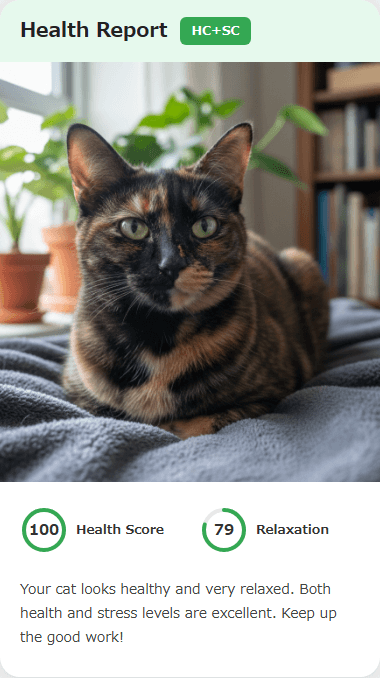

Worried about these symptoms?
Don't wait and wonder. CatsMe's AI analyzes your cat's photo to flag health concerns in seconds.
50 ülkede 380.000'den fazla kedi sahibi CatsMe'ye güveniyor


How to Tell the Three Allergy Types Apart
Food allergy:
- Symptoms persist year-round with no seasonal pattern
- Intense itching around the face, ears, and neck
- May include digestive symptoms like vomiting or diarrhea
- Can develop at any age, though younger cats are more commonly affected
Environmental allergy (atopy):
- Often has a seasonal pattern (worsening during pollen season)
- Common allergens include dust mites, mold, and pollen
- Generalized itching, especially around the head, neck, and belly
Flea allergy dermatitis (FAD):
- Even a single flea bite can trigger a severe reaction
- Itching and hair loss are concentrated on the lower back and base of the tail
- Most common in cats that are not on regular parasite prevention
Diagnosis: The Elimination Diet Trial Is Decisive
Flea allergy diagnosis: Implement thorough flea control and see if symptoms improve. This is the simplest allergy to confirm.
Food allergy diagnosis:
- A strict 8-to-12-week elimination diet trial is the only reliable method
- Feed exclusively a novel protein diet (venison, lamb, etc.) or a hydrolyzed protein diet
- Absolutely no treats, table scraps, or flavored medications during the trial
- If symptoms improve, reintroduce the original food — recurrence of symptoms confirms the diagnosis
Environmental allergy diagnosis:
- Diagnosed after food allergy and flea allergy have been ruled out
- Intradermal skin testing and blood IgE panels can offer clues but are not definitive on their own
Important note: Blood allergy panels have a high rate of false positives and should never be used as a standalone diagnostic tool.
Treatment Options and Long-Term Management
Food allergy: A permanent switch to a diet free of the offending allergen. Continue with novel protein or hydrolyzed protein food for life.
Environmental allergy:
- Allergen-specific immunotherapy (allergy shots): Small doses of the allergen are injected on a regular schedule. This is the only treatment that addresses the root cause, but it takes 6 to 12 months to see results.
- Cyclosporine: An immunosuppressant useful for long-term management.
- Corticosteroids: Effective for acute flare-ups, but long-term use carries side-effect risks.
Flea allergy: Year-round flea prevention is non-negotiable. Because even a single flea bite can trigger a reaction, 100% prevention is the goal.
Across all types: If excessive scratching has led to a secondary bacterial or fungal skin infection, antibiotics or antifungals will be prescribed alongside allergy treatment.
Allergy Testing Costs & What an Elimination Diet Trial Really Involves
Allergy diagnosis is a staged process, and the most critical test is not the most expensive one — it is the most time-consuming: the elimination diet trial.
Cost breakdown:
- Flea preventive (used diagnostically): $8 to $25 per month
- Blood work (basic panel plus allergy panel): $100 to $300 (¥15,000–30,000). Note: blood allergy panels have a high false-positive rate and should be used only as a reference.
- Intradermal skin testing: $100 to $300 (¥15,000–30,000). Most useful for identifying specific environmental allergens.
- Elimination diet food: $40 to $60 per month (¥5,000–8,000) for 8 to 12 weeks.
What an elimination diet trial actually looks like:
- Duration: 8 to 12 weeks of strict compliance (a minimum of 8 weeks before drawing any conclusions)
- Rules: Nothing but the prescription diet enters the cat's mouth — no treats, no table scraps, no flavored medications
- Multi-cat household challenge: Feed the allergic cat separately to prevent it from eating other cats' food
- Confirmation: If symptoms improve, reintroduce the original diet. If symptoms return, the food allergy is confirmed.
Common reasons the trial fails: Forgotten treats, family members not following the rules, or ending the trial too soon. Our cat food guide offers practical tips for staying on track.
Living with an Allergic Cat: Long-Term Management & Skin Care
Allergies are a lifelong condition, but consistent daily management keeps symptoms under control and your cat comfortable.
Skin care essentials:
- Check for scratches, hair loss, and lesions daily
- Watch for signs of secondary infection — redness, pus, or crusting — and report them to your vet early
- Use vet-recommended moisturizing sprays or medicated shampoos
- An Elizabethan collar can prevent excessive self-trauma when needed
Home management for environmental allergies:
- Vacuum at least twice weekly (HEPA-filter vacuums are ideal)
- Wash bedding in hot water once a week
- Run a HEPA air purifier in the cat's primary living area
- During high-pollen seasons, wipe the cat's coat with a damp cloth after any outdoor exposure
Food allergy management:
- Continue the prescription diet strictly — no deviations
- Consult your vet before introducing any new treats or foods
- Make a habit of reading ingredient labels on every product that enters your home
Parasite prevention: Year-round flea prevention is recommended even if your cat does not have a diagnosed flea allergy. Cats with allergic tendencies tend to react more severely to flea bites.
Logging symptom changes in the CatsMe app helps identify seasonal patterns and triggers, leading to more effective long-term management strategies.
Cutting-Edge Allergy Treatment: What Immunotherapy Looks Like in Practice
For cats with environmental allergies, allergen-specific immunotherapy (desensitization) stands as the only treatment that addresses the root cause rather than simply managing symptoms.
How the process works:
1. Allergen identification: Intradermal skin testing or serum IgE panels pinpoint which allergens the cat reacts to.
2. Custom formulation: A personalized allergen vaccine is prepared based on the test results.
3. Injection phase: Treatment starts with small, frequent doses (once or twice weekly) that are gradually increased in concentration and spaced further apart.
4. Maintenance phase: Monthly injections continue long-term.
Effectiveness and timeline:
- Noticeable improvement typically takes 6 to 12 months
- 60 to 80% of cats show significant symptom reduction
- About half achieve near-complete symptom resolution; the rest experience substantial improvement
Costs: Initial allergen testing plus custom vaccine formulation runs $250 to $500 (¥30,000–60,000). Ongoing monthly injections cost approximately $25 to $40 (¥3,000–5,000).
Sublingual immunotherapy (SLIT): An emerging alternative where allergen drops are placed under the tongue instead of injected. This can be done at home and causes less stress for the cat.
Immunotherapy is not an instant fix, but it offers the possibility of reducing or eliminating the need for long-term steroids and fundamentally improving your cat's quality of life.
Veteriner "ne zamandan beri böyle?" diye sorsa cevap verebilir misiniz?
Veterinerde cevapsız kalmayın. CatsMe günlük sağlık puanlarını otomatik kaydeder ve tek dokunuşla paylaşmanızı sağlar.
アレルギー食物アレルギーかゆみ皮膚炎猫の病気
FAQ
 CatsMe
Bir şeylerin yanlış olduğunu hissettiğiniz an harekete geçmeye hazır olun
Tek bir fotoğraf yeter: Yapay zekâ, kedinizin ifadesinden ağrıyı ve sağlık durumunu okur. Endişelendiğiniz anda kontrol edin, kaydı veterinerinizle paylaşın.