

The Bottom Line: A Sudden Increase in Litter-Box Visits Can Signal Cystitis, Kidney Disease, or Worse
When your cat starts visiting the litter box noticeably more often than usual, pay attention — it could be a sign of cystitis, urinary stones, diabetes mellitus, or chronic kidney disease (CKD). A healthy adult cat typically urinates two to four times per day, so a jump to six, eight, or more trips is significant.
The most urgent scenario is a cat that repeatedly enters the litter box but produces little or no urine. This suggests urinary obstruction — a life-threatening emergency, especially in male cats — and demands immediate veterinary care. Even without obstruction, frequent urination is rarely normal and almost always points to an underlying condition that benefits from early diagnosis.
A critical distinction to make at home is whether the issue is pollakiuria (frequent small-volume urination) — typical of bladder problems — or polyuria (frequent large-volume urination) — typical of metabolic diseases. Observing litter-clump size and counting trips helps your vet narrow the differential diagnosis quickly.
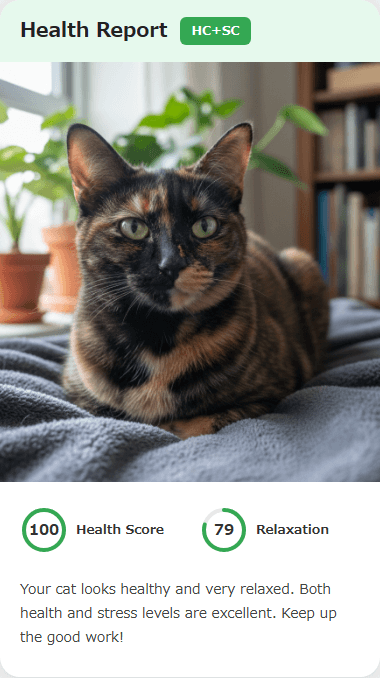

Worried about these symptoms?
Don't wait and wonder. CatsMe's AI analyzes your cat's photo to flag health concerns in seconds.
50 ülkede 380.000'den fazla kedi sahibi CatsMe'ye güveniyor


Common Causes of Frequent Urination in Cats
Several conditions can cause a cat to urinate more frequently, and knowing the main culprits helps you provide useful information to your vet.
Cystitis (bladder inflammation). The most common cause, especially in cats under 10. Feline idiopathic cystitis (FIC) — stress-driven inflammation without bacterial infection — accounts for the majority of cases. Bacterial cystitis is more common in senior cats and those with diabetes or kidney disease.
Urinary stones (urolithiasis). Struvite or calcium oxalate stones irritate the bladder wall, triggering frequent, painful urination often accompanied by blood in the urine.
Diabetes mellitus. Elevated blood sugar exceeds the kidneys' ability to reabsorb glucose, pulling water into the urine and producing large volumes. Classic triad: increased drinking, increased urination, and weight loss despite a good appetite.
Chronic kidney disease (CKD). Damaged kidneys lose the ability to concentrate urine, resulting in dilute, high-volume output. This is one of the most common diseases in older cats.
Hyperthyroidism. An overactive thyroid increases metabolic rate, water consumption, and urine production. Prevalent in cats over 8.
Pollakiuria vs. Polyuria: Why the Difference Matters
These two terms describe different urination patterns — and they point to very different diseases. Learning to distinguish them is one of the most helpful things you can do before your vet visit.
Pollakiuria (frequent, small-volume urination). The cat visits the litter box many times but produces only small clumps each time. It may strain, vocalize, or spend a long time in the box. This pattern is characteristic of lower urinary tract problems: cystitis, urinary stones, and urethral obstruction.
Polyuria (frequent, large-volume urination). Each litter clump is bigger than usual, and the box fills up faster. The cat is also likely drinking noticeably more water. This pattern points to systemic or metabolic diseases: chronic kidney disease, diabetes, and hyperthyroidism.
A simple way to track at home: count the number of urine clumps in the litter box at the end of each day and note their relative size. If you use a sifting or crystal-type litter, weigh the absorbent pad daily. Sharing this data during a Carelogy online consultation gives the vet an immediate head start on diagnosis.
When to See the Vet & Prevention Tips
Consult your vet promptly if you observe any of the following:
- Straining in the litter box with little or no urine produced — this is a potential urinary obstruction and a true emergency, especially in male cats.
- Blood in the urine alongside increased frequency.
- A dramatic increase in water consumption — if the water bowl empties faster than usual, metabolic disease is likely.
- Weight loss occurring alongside increased urination, pointing to diabetes or hyperthyroidism.
- Urinating outside the litter box — often a pain-driven behavior, not a training issue.
Prevention centers on hydration and stress reduction. Provide a pet water fountain (cats drink more from running water), feed wet food as the primary diet, and keep litter boxes scrupulously clean (one per cat plus one, scooped daily). Reducing environmental stress with pheromone diffusers and adequate enrichment helps prevent the idiopathic cystitis that is the most common cause of feline pollakiuria.
What the Vet Will Do: Tests, Diagnosis & Costs
A cat presenting with frequent urination typically undergoes the following workup.
Urinalysis (¥2,000–¥5,000 / $15–$40). The single most informative test. Urine specific gravity tells the vet whether the kidneys can concentrate urine (low gravity suggests CKD); crystals indicate stone-forming potential; bacteria and white blood cells point to infection; and blood confirms inflammation or injury.
Blood work (¥5,000–¥15,000 / $40–$120). A biochemistry panel covers kidney values (BUN, creatinine, SDMA), blood glucose (to screen for diabetes), and thyroid hormone (T4, for hyperthyroidism). A single blood draw can cover all three.
Ultrasound (¥3,000–¥10,000 / $25–$80). Abdominal ultrasound visualizes bladder wall thickness (thickened walls suggest chronic cystitis), stones, sludge, and kidney architecture in real time — without sedation.
X-rays (¥3,000–¥8,000 / $25–$65). Radiographs are especially useful for detecting radiopaque stones (calcium oxalate) and assessing kidney size.
Expect ¥10,000–¥30,000 for the initial workup. Depending on the diagnosis, long-term management costs include therapeutic urinary diets (¥3,000–¥5,000/month), insulin for diabetes, or thyroid medication — all of which your vet will discuss.
Age-Specific Considerations: Young Cats vs. Seniors
The most likely cause of frequent urination depends heavily on your cat's age.
Young cats (1–6 years)
Feline idiopathic cystitis (FIC) is overwhelmingly the top diagnosis. Stress is the primary trigger — moves, new pets, multi-cat tension, even a change in the owner's work schedule. Recurrence rates are high (up to 50 % within a year), so long-term environmental enrichment and stress management are just as important as acute treatment.
Senior cats (7+ years)
Chronic kidney disease becomes the most common cause of increased urination in older cats. The kidneys lose the ability to concentrate urine, producing copious dilute output. Diabetes and hyperthyroidism should also be screened for, as both cause polyuria and polydipsia (increased drinking). Bacterial UTIs become more prevalent in seniors, especially those with underlying metabolic disease. Twice-yearly urinalysis and blood panels are the gold standard for catching these conditions early.
Your cat's age should guide the diagnostic approach — always mention it to your vet so the most likely conditions are investigated first.
Prevention & Long-Term Management
Whether the cause is cystitis, stones, or a metabolic condition, these habits reduce the risk of recurrence and support long-term urinary health.
Optimize hydration
- Install a pet water fountain — most cats drink 30–50 % more from flowing water than from a still bowl.
- Make wet food the backbone of the diet. At 75–80 % moisture, canned food naturally dilutes urine and reduces crystal-forming mineral concentration.
- Place fresh water bowls in multiple locations throughout the house.
Manage stress (the cornerstone of cystitis prevention)
- Use Feliway pheromone diffusers continuously, not just during flare-ups.
- Maintain one litter box per cat plus one extra, scooped at least once daily.
- Provide safe hiding spots, cat trees, and vertical space — environmental enrichment reduces stress hormones.
- In multi-cat homes, distribute resources (food, water, litter, resting areas) to prevent competition.
Ongoing monitoring
- Weigh monthly and track litter-box patterns (clump count, size).
- For senior cats, schedule twice-yearly urinalysis and blood work to detect CKD, diabetes, or hyperthyroidism before symptoms escalate.
- Use the CatsMe app for daily facial analysis to catch early discomfort signs.
Frequent urination is your cat's way of telling you something is wrong. Listening early — and acting on it — prevents small problems from becoming costly emergencies.
Veteriner "ne zamandan beri böyle?" diye sorsa cevap verebilir misiniz?
Veterinerde cevapsız kalmayın. CatsMe günlük sağlık puanlarını otomatik kaydeder ve tek dokunuşla paylaşmanızı sağlar.
頻尿トイレ膀胱炎猫の病気
Related Symptoms
FAQ
 CatsMe
Bir şeylerin yanlış olduğunu hissettiğiniz an harekete geçmeye hazır olun
Tek bir fotoğraf yeter: Yapay zekâ, kedinizin ifadesinden ağrıyı ve sağlık durumunu okur. Endişelendiğiniz anda kontrol edin, kaydı veterinerinizle paylaşın.