

The Bottom Line: Proper Management Can Dramatically Reduce Asthma Attacks
Feline asthma (allergic bronchitis) is a relatively common respiratory condition, affecting an estimated 1–5% of all cats. While a complete cure is unlikely, combining inhaled corticosteroids with environmental modifications can drastically cut the frequency and severity of attacks. If your cat has a recurring cough — especially one that looks like they are trying to hack up a hairball but nothing comes out — asthma is a strong possibility worth discussing with your vet.
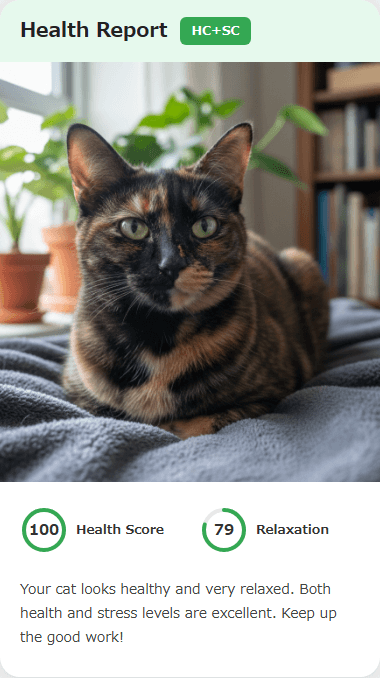

Worried about these symptoms?
Don't wait and wonder. CatsMe's AI analyzes your cat's photo to flag health concerns in seconds.
50 ülkede 380.000'den fazla kedi sahibi CatsMe'ye güveniyor


How to Recognize an Asthma Attack
Feline asthma attacks have several characteristic features:
Typical posture: The cat crouches low with neck extended forward, producing wheezing or whistling breathing sounds.
Cough: Repeated, dry coughing fits that closely mimic hairball retching — but nothing ever comes up.
Breathing difficulty: Exaggerated abdominal effort with each breath, or open-mouth breathing.
Mild attacks: Resolve within a few minutes and the cat returns to normal behavior.
Severe attacks (emergency): Sustained open-mouth breathing, blue or purple gums (cyanosis), or collapse — seek veterinary care immediately.
Capture the episode on video with your phone whenever possible — it is incredibly valuable for your vet, since cats rarely have attacks on cue during an office visit.
Treatment: Inhaled Therapy Is Now the Standard
Inhaled corticosteroids (fluticasone): Delivered through a feline-specific spacer mask (AeroKat or AeroDawg), just like human asthma inhalers. This approach minimizes systemic side effects and is ideal for long-term management.
Bronchodilators (albuterol/salbutamol): Used as a rescue medication during acute attacks to quickly open the airways.
Oral steroids (prednisolone): Reserved for cats that cannot tolerate inhalers or for severe cases. Long-term oral steroid use carries risks including diabetes.
Most cats resist the inhaler mask at first, but with treats and patience, the majority get comfortable within 1–2 weeks. The payoff — fewer attacks with minimal side effects — is well worth the initial training effort.
Environmental Changes That Reduce Attacks
Alongside medication, removing airborne allergens from your home is equally important.
Quick wins:
- Switch to unscented, low-dust cat litter
- Eliminate secondhand smoke completely
- Stop using perfumes, essential oil diffusers, and air fresheners in rooms your cat frequents
- Vacuum and dust more frequently to reduce dust mites and dander
Longer-term improvements:
- Place a HEPA air purifier near your cat's favorite spots
- Replace carpeting with hard floors to eliminate a major dust mite reservoir
- Clean or replace HVAC filters on a regular schedule
Diagnosing Asthma: Telling It Apart from Other Respiratory Conditions
Because feline asthma shares symptoms with several other respiratory conditions, reaching an accurate diagnosis is essential before starting long-term treatment.
Key diagnostic tests:
- Chest X-rays: Look for the characteristic "bronchial pattern" — thickened airway walls that are a hallmark of asthma. Cost: $25 to $65 (¥3,000–8,000)
- Blood work: Checks for eosinophilia (elevated eosinophils), an indicator of allergic inflammation. Cost: $40 to $80 (¥5,000–10,000)
- Bronchoalveolar lavage (BAL): Performed under general anesthesia, this procedure collects fluid from the airways for cell analysis. It is the most definitive diagnostic tool for feline asthma. Cost: $250 to $400 (¥30,000–50,000)
Conditions that must be ruled out:
- Heart disease: Breathing difficulty caused by HCM can mimic asthma. An echocardiogram helps distinguish the two.
- Pneumonia: Respiratory infection often causes fever alongside breathing problems.
- Lung tumors: Should be considered in senior cats. X-rays can detect masses.
- Hairballs: The retching motion looks like coughing but is actually a vomiting reflex. Filming the episode on your phone helps your vet tell the difference.
The initial diagnostic workup typically costs $80 to $160 (¥10,000–20,000), making it an affordable first step toward the right treatment plan.
Emergency Response to Asthma Attacks & Building a Prevention Plan
Knowing how to respond when an attack strikes — and building a long-term plan to prevent them — is the dual foundation of asthma management.
Responding to a mild attack:
- Move the cat to a quiet, calm space
- Remove any obvious triggers (smoke, strong scents, aerosol products)
- If your vet has prescribed a rescue bronchodilator, administer it via the inhaler mask
- If the cat does not improve within a few minutes, head to the vet
Severe attack (emergency):
- Sustained open-mouth breathing or blue/purple gums and tongue — get to a veterinary hospital immediately
- Keep the cat in a carrier during transport and minimize handling. If you have an oxygen canister at home, use it during the drive
Long-term prevention plan:
1. Daily inhaled corticosteroid: The backbone of asthma management, reducing airway inflammation at the source
2. Trigger diary: Record when attacks happen and what was going on in the environment — this helps you identify and eliminate patterns
3. Seasonal strategies: During high-pollen periods, keep windows closed and run the air purifier continuously
4. Regular checkups: Chest X-rays every 6 months to monitor airway changes
Inhaler training for your cat: Start by simply holding the spacer mask near your cat's face without activating it, and reward with a treat. Over 1 to 2 weeks, gradually work up to placing the mask over the nose and mouth for the required number of breaths. Patience is essential — let the cat set the pace, and the training will succeed.
The CatsMe app is ideal for logging attack frequency and severity. Sharing this data with your veterinarian helps them adjust medication and assess whether the current management plan is working.
Living with an Asthmatic Cat: Daily Management for Quality of Life
Asthma is a lifelong condition, but with diligent daily management your cat can enjoy a life that looks and feels entirely normal.
The ideal home environment:
- Air purifier: Place a HEPA-filter unit near your cat's primary resting area. Replace the filter every three months for optimal performance.
- Low-irritant litter: Paper-based or tofu-based litters produce significantly less dust than clay.
- Smart cleaning habits: Use a vacuum cleaner with a HEPA filter, clean when the cat is in a different room, and let the airborne particles settle before bringing the cat back.
Things to avoid entirely:
- Cigarette smoke (the single biggest environmental risk factor for feline asthma)
- Essential oil diffusers, incense, and scented candles
- Aerosol cleaning sprays, bleach mist, and other strong chemical fumes
- Hairspray and aerosol deodorants used near the cat
- Wood-burning fireplaces without proper ventilation
Exercise guidelines: Cats with asthma still need physical activity, but avoid intense play sessions that leave your cat panting. Opt for multiple short, gentle play periods throughout the day rather than one high-energy burst.
Seasonal awareness: Spring pollen, autumn mold spores, and dry heated air in winter are all common asthma triggers. Increase vigilance during seasonal transitions, and discuss preemptive medication adjustments with your veterinarian if you notice attacks clustering at certain times of year.
Veteriner "ne zamandan beri böyle?" diye sorsa cevap verebilir misiniz?
Veterinerde cevapsız kalmayın. CatsMe günlük sağlık puanlarını otomatik kaydeder ve tek dokunuşla paylaşmanızı sağlar.
喘息咳呼吸困難アレルギー猫の病気
FAQ
References
This article is compiled and summarized by the Carelogy editorial team based on publicly available information from the following veterinary organizations, universities, and clinical manuals.
- Cornell Feline Health Center. Feline Asthma: A Risky Business for Many Cats (2018).
- MSD Veterinary Manual. Allergic Bronchitis (Feline Asthma) (2023).
- Trzil JE & Reinero CR (Journal of Veterinary Internal Medicine). Update on Feline Asthma (2014).
- American Veterinary Medical Association (AVMA). Pet Care Resources — Respiratory Health (2024).
 CatsMe
Bir şeylerin yanlış olduğunu hissettiğiniz an harekete geçmeye hazır olun
Tek bir fotoğraf yeter: Yapay zekâ, kedinizin ifadesinden ağrıyı ve sağlık durumunu okur. Endişelendiğiniz anda kontrol edin, kaydı veterinerinizle paylaşın.