

Types & Causes of Cat Aggression
Cat aggression comes in several distinct types, and identifying the root cause is essential for effective management.
Play aggression: Common in kittens and young cats — pouncing on hands and feet. This often develops in cats that never learned bite inhibition from littermates.
Fear aggression: A defensive response when cornered or confronted by unfamiliar people or animals. The cat flattens its ears, hunches, hisses, then strikes.
Petting-induced aggression: A sudden bite during a petting session, triggered when stimulation exceeds the cat's tolerance. Tail flicking and ear movement are advance warning signs.
Redirected aggression: After being aroused by an outdoor stray cat visible through a window, the cat attacks a nearby owner or housemate. This is the most unpredictable and dangerous type.
Pain-related aggression: Cats suffering from arthritis or dental disease may lash out when touched in painful areas.
Territorial aggression: Commonly seen when introducing a new cat or in multi-cat households.
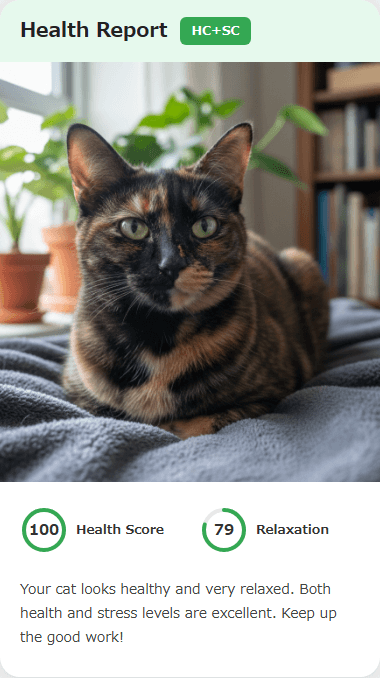

Your cat's daily companion
From grooming reminders to weight trends, CatsMe keeps your cat's care routine on track — all in one app.
50 ülkede 380.000'den fazla kedi sahibi CatsMe'ye güveniyor


Reading Aggression Warning Signs
Cats almost always display warning signals before they attack. Understanding cat body language lets you intervene before things escalate.
Pre-attack Warning Signs
- Tail: Lashing side to side, fur bristling at the base
- Ears: Flattened sideways ("airplane ears") or pinned back
- Pupils: Fully dilated
- Posture: Crouching low or arching the back
- Vocalizations: Hissing, spitting, low growling
- Skin: Rippling along the back (especially before petting-induced bites)
What NOT to Do
- Let the cat play with your hands (teaches that hands are acceptable targets)
- Scold or hit (fear increases and aggression worsens)
- Chase or corner an aggressive cat
- Try to handle an aroused cat with bare hands
When you spot pre-attack signals, calmly leave the area and give the cat space to cool down. A time-out in a separate room is also effective.
Managing & Reducing Aggressive Behavior
Addressing Play Aggression
- Use wand toys instead of hands
- Immediately stop play if you are bitten (ignore the cat)
- Provide 2-3 structured play sessions per day to burn off energy
Addressing Fear & Redirected Aggression
- Ensure the cat has escape routes (high perches, hiding spots)
- Close curtains to block the view of outdoor animals
- Do not approach an aroused cat — allow at least 30 minutes to cool down
Addressing Petting-Induced Aggression
- Pet only preferred areas (under the chin, cheeks) for short periods
- Stop petting immediately when warning signs appear
- Wait for the cat to leave on its own (do not pick it up)
Medical Approach
- Have a vet exam to rule out pain or illness
- Feliway (synthetic pheromone) may help in severe cases
- If behavioral interventions fail, consult a veterinary behaviorist
- Anti-anxiety medication may be considered if necessary
Improving aggressive behavior takes time. Rather than punishment, positive reinforcement — rewarding desirable behavior — is the most effective strategy.
Step-by-Step Practical Guide to Handling Aggression
When aggression occurs, having a clear action plan keeps both you and your cat safe. Follow these practical steps to manage aggressive incidents and reduce their frequency over time.
Immediate Response After an Attack
First, secure your own safety — never approach an aroused cat. Quietly guide the cat to a separate room or leave the area yourself. Allow at least 30 minutes of uninterrupted cool-down time before any interaction. If you have a wound, rinse it under running water and disinfect it promptly.
Keep a Behavior Diary
Start logging every aggressive incident in a simple notebook or phone app. Record the date, time, location, the apparent trigger, the cat's posture and facial expression, and the type of aggression (bite, scratch, or both). Patterns often emerge quickly and make prevention much easier.
Rules for Safe Play
Never use hands or feet as play targets. Always use wand toys or toss toys that keep distance between your body and the cat's teeth. If the cat becomes over-stimulated, pause the game for a few minutes. Schedule two to three play sessions daily to channel hunting energy constructively. Toys that mimic prey — feathered wands, mouse-shaped rollers — satisfy predatory instincts most effectively.
Environmental Safety
Ensure the cat has ample escape routes, including tall cat trees and high shelves. In multi-cat homes, provide each cat with its own safe zone. Territorial aggression drops significantly when resources — litter boxes, food dishes, sleeping spots — are plentiful and spread across different areas of the home.
Common Mistakes When Dealing with Cat Aggression
Mishandling aggression not only fails to fix the problem but can permanently damage the bond between you and your cat. Steer clear of these common errors.
Mistake 1: Physical Punishment
Hitting, spraying with water, or yelling at an aggressive cat instills fear and increases the likelihood of fear-based aggression. Cats do not learn to behave better from punishment — they learn to view the owner as a threat.
Mistake 2: Using Hands as Toys
Wrestling with a cat using your hands teaches the cat that hands are acceptable targets. This is especially problematic when established in kittenhood, as playful kitten nips evolve into painful adult bites.
Mistake 3: Trying to Handle an Aroused Cat
Reaching for a cat in the throes of redirected or fear aggression can result in serious injury. Always wait a minimum of 30 minutes for the cat to fully de-escalate before attempting any contact.
Mistake 4: Dismissing Aggression as Personality
Writing off aggression as 'just the way the cat is' leaves a treatable problem untreated. Most aggressive behaviors have identifiable causes and respond well to targeted intervention.
Mistake 5: Overlooking Medical Causes
A cat that becomes aggressive suddenly may be in pain from arthritis, dental disease, or hyperthyroidism. Any behavioral change warrants a veterinary examination to rule out underlying illness.
When to See a Vet About Aggressive Behavior
Many aggression issues can be resolved through home-based management, but the following situations require veterinary involvement without delay.
See a Vet Immediately If
A previously gentle cat has become suddenly aggressive, family members are being repeatedly injured, the cat is engaging in self-harm, aggression is accompanied by appetite loss or lethargy, or inter-cat aggression in a multi-cat household is escalating despite intervention.
What the Vet Will Evaluate
Expect a thorough physical exam to check for pain-related conditions including blood work, X-rays, and palpation. A neurological assessment rules out brain tumors and neurological disorders. Hormone panels screen for hyperthyroidism. A detailed behavioral history will also be taken to understand the context of each aggressive episode.
Referral to a Veterinary Behaviorist
If medical causes have been ruled out and the problem persists, request a referral to a board-certified veterinary behaviorist. These specialists classify the aggression type precisely and create individualized behavior modification plans that address the specific triggers and patterns involved.
Medication Options
In severe cases, anti-anxiety or psychotropic medications may be prescribed. These are always used alongside behavioral therapy, with dosages adjusted by the veterinarian based on the cat's response. Medication alone is unlikely to resolve aggression — environmental and behavioral approaches must continue in parallel.
Prevention & Long-Term Management of Aggression
A proactive approach to preventing aggression is far more effective than reactive management after the behavior has become entrenched. The strategies below form a comprehensive long-term plan.
Socialization Is the Greatest Preventive
Exposing kittens to people, other animals, and a variety of environments during the socialization period (2-14 weeks) is the single most powerful way to prevent aggression in adulthood. Learning bite inhibition through appropriate play with littermates and humans during this window is especially critical.
Ongoing Stress Management
Stress is a primary driver of multiple aggression types. Provide a secure environment with ample hiding spots, elevated perches, and sufficient litter boxes. Feliway diffusers used preventively can help maintain a calm household atmosphere.
Optimizing Multi-Cat Environments
In multi-cat homes, supply each cat with dedicated resources — food bowls, litter boxes, resting areas — positioned in separate locations to reduce territorial tension. Always introduce new cats gradually and be prepared to separate them if compatibility issues emerge.
Routine Health Monitoring
Regular veterinary checkups catch hidden pain and illness that can manifest as aggression. Pain-related aggression often resolves dramatically once the underlying condition is treated.
Respond Early to Behavioral Shifts
If you notice subtle changes — more tail-lashing, increased growling, reduced tolerance for handling — act before the behavior escalates. Behavioral problems that are addressed early respond faster and more completely than those that have been allowed to become deeply ingrained habits.
Veteriner "ne zamandan beri böyle?" diye sorsa cevap verebilir misiniz?
Veterinerde cevapsız kalmayın. CatsMe günlük sağlık puanlarını otomatik kaydeder ve tek dokunuşla paylaşmanızı sağlar.
攻撃行動噛む引っかく問題行動猫の行動学
FAQ
 CatsMe
Bir şeylerin yanlış olduğunu hissettiğiniz an harekete geçmeye hazır olun
Tek bir fotoğraf yeter: Yapay zekâ, kedinizin ifadesinden ağrıyı ve sağlık durumunu okur. Endişelendiğiniz anda kontrol edin, kaydı veterinerinizle paylaşın.