

Key Takeaway: Cats DO Get Separation Anxiety — Cases Have Surged Post-Remote-Work
"Cats are fine alone" is a misconception. Research shows approximately 13% of cats exhibit separation anxiety signs, with cases surging after owners who worked remotely during the pandemic returned to offices.
Typical separation anxiety signs:
- Excessive vocalization when the owner starts preparing to leave
- Inappropriate elimination (urinating/defecating outside the litter box) during absence
- Excessive grooming while alone → hair loss patches develop
- Scratching doors and destructive behavior
- Abnormally clingy behavior when the owner returns
- Vomiting or diarrhea (stress-induced)
Cats at higher risk:
- Kittens separated from their mother too early
- Single-cat households
- Rescue cats (history of abandonment)
- Cats whose routine changed after prolonged owner presence at home
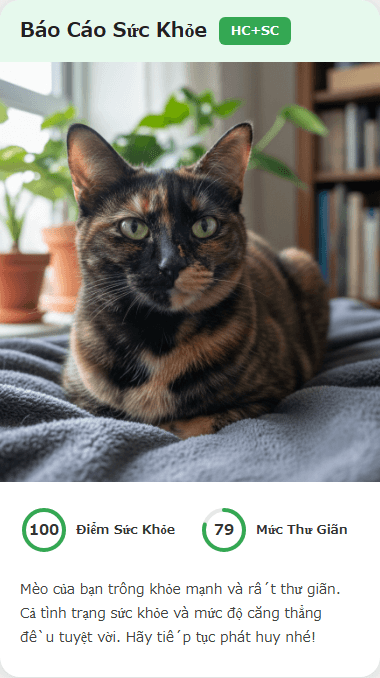

Your cat's daily companion
From grooming reminders to weight trends, CatsMe keeps your cat's care routine on track — all in one app.
Hơn 380.000 chủ mèo tại 50 quốc gia đang tin dùng CatsMe


Separation Anxiety Desensitization Training
Gradual desensitization is the most effective approach for separation anxiety.
Step 1: Neutralize departure cues (1-2 weeks)
- Regularly perform 'leaving signals' (putting on shoes, picking up keys) without actually leaving
- Repeat until the cat stops reacting to departure preparations
Step 2: Gradually increase absence duration (2-4 weeks)
- Start by leaving the room for just 1-2 minutes, then return
- If no reaction, gradually extend to 5 min → 15 min → 30 min
- Don't make a fuss when returning (keep departures and arrivals low-key)
Step 3: Environmental enrichment
- Leave-behind stimulation: window bird-watching spots, cat trees
- Food puzzle toys to prevent boredom during absence
- Place clothing with owner's scent in the cat's bed
- Leave calming music or TV on
- Feliway (synthetic pheromone) diffuser
Step 4: Post-return routine
- Don't immediately shower the cat with attention upon return (ignore for 5-10 minutes)
- After they calm down, schedule play time
- Daily grooming sessions provide security and bonding
Treatment Options for Severe Cases
When behavioral modification alone isn't sufficient, discuss medication with your veterinarian.
Pharmaceutical options:
- Fluoxetine (Prozac) — Most evidence-based anti-anxiety medication for cats. Takes 4-6 weeks for full effect. ~¥3,000-5,000/month
- Clomipramine — Tricyclic antidepressant effective for separation anxiety. ~¥2,000-4,000/month
- Gabapentin — Fast-acting anti-anxiety effect. Useful for spot treatment before outings. ~¥500-1,000/dose
Important: Never give human anti-anxiety medications to cats. Always use veterinary-prescribed feline formulations.
Supplements (for mild cases):
- Zylkene (alpha-casozepine) — Milk-derived anti-anxiety compound. ~¥2,000-3,000/month
- L-Theanine — Green tea extract with calming effects. ~¥1,500-2,500/month
Veterinary behaviorist consultation:
- Initial consultation: ~¥10,000-20,000
- Personalized behavior modification program
Start by identifying stress signs to determine whether it's separation anxiety or another issue.
Home Care & Practical Tips: Complete Environmental Enrichment Guide
Improving separation anxiety requires enriching the environment your cat experiences while alone. The goal is to transform solo time from an anxiety-triggering ordeal into a comfortable, stimulating part of your cat's daily routine.
Multi-sensory environmental enrichment:
- Visual stimulation: Position a cat tree near a window so your cat can watch birds, passing people, and outdoor activity. Installing a bird feeder outside the window dramatically increases engagement
- Auditory stimulation: Leave a television or radio playing during absences — nature documentaries and specially designed cat music playlists are popular choices that provide comforting background sound
- Olfactory stimulation: Distribute multiple catnip-infused toys throughout the home and use Feliway diffusers to create a calming pheromone environment
- Tactile stimulation: Provide beds and resting spots in varied textures — fleece, cardboard, wool — so your cat can choose what feels right
- Gustatory stimulation: Load puzzle feeders with kibble or treats before you leave, turning your absence into a treasure hunt rather than a stressor
Maximizing puzzle feeder effectiveness:
- Beginner level: Dry food inside a plastic bottle with holes drilled in it — the cat rolls it to release food
- Intermediate: Commercial puzzle balls that engage problem-solving instincts
- Advanced: Multiple puzzles hidden throughout the house to stimulate exploration and hunting behavior
- Aim to serve 30-50% of daily food through puzzle feeders rather than in a standard bowl
Creating safe zones throughout the home:
- Install elevated hiding spots such as cat walkways and boxes on high shelves — height provides security and a sense of control
- Place worn clothing items with your scent (old t-shirts or towels) in your cat's favorite sleeping areas for comfort
- Provide enclosed dark spaces like cardboard boxes and tunnels — these satisfy the instinct to hide and decompress
Pre-departure routine optimization:
- Set up puzzle feeders 15 minutes before leaving to redirect your cat's focus
- Avoid elaborate goodbyes — prolonged holding, baby talk, and dramatic departures actually increase anxiety by signaling that something unusual is happening
- Aim for a calm, unremarkable exit as if leaving is completely ordinary
- Learn to recognize stress signals so you can assess your cat's state before departing
What the Vet Will Do: Behavioral Medicine Consultation
When separation anxiety is severe or home-based training has not produced improvement, consulting a veterinary behaviorist is the recommended next step. A behavioral medicine consultation differs significantly from a standard veterinary visit.
What happens at the initial consultation:
- Detailed behavioral history taking (typically 1-2 hours): The specialist will thoroughly document the specific problem behaviors, their frequency, triggers, duration, and progression over time
- Physical examination: Rules out medical conditions that can mimic or contribute to anxiety, such as hyperthyroidism, chronic pain, or cognitive dysfunction syndrome
- Blood work: If medication is being considered, liver and kidney function must be assessed to ensure safe drug metabolism
- Environmental assessment: Bring photos or video of your home layout, the cat's behavior during your absence, and the litter box and feeding areas
Diagnosis and evaluation process:
- Separation anxiety severity is rated on a scale from mild to moderate to severe, which guides treatment intensity
- Differential diagnosis distinguishes separation anxiety from generalized anxiety disorder, compulsive disorder, or underlying medical conditions
- Trigger identification and behavioral pattern analysis map exactly what events precipitate anxiety episodes
Treatment plan development:
- A personalized desensitization program with weekly milestones tailored to your cat's specific triggers and tolerance thresholds
- Specific environmental modification instructions based on your home assessment
- Medication plan if warranted, including drug selection, dosing, duration, and expected timeline for therapeutic effect
- Follow-up schedule, typically every 4-6 weeks, to assess progress and adjust the plan
Cost overview:
| Item | Cost |
|------|------|
| Initial behavioral consultation | ¥10,000-20,000 |
| Follow-up visits (every 4-6 weeks) | ¥5,000-10,000 |
| Monthly medication | ¥3,000-5,000 |
| Estimated total (3-month treatment) | ¥30,000-60,000 |
Veterinary behavior specialists are limited in Japan, but an increasing number now offer online consultations, making expert guidance more accessible.
Age-Specific Considerations for Separation Anxiety
Separation anxiety manifests differently depending on your cat's age, and understanding these age-related variations leads to more effective intervention strategies.
Kittens (under 1 year):
- Premature weaning (before 8 weeks) is a major risk factor for developing separation anxiety later in life
- The socialization experiences during this critical period shape lifetime anxiety levels and emotional resilience
- Intervention: Begin gradual "practice" absences starting with very short periods and slowly extending the duration
- Kitten-to-kitten play develops social confidence — consider a multi-cat household if appropriate
Adult cats (1-7 years):
- The transition from remote work back to office attendance is the single most common trigger for this age group (cases have surged since 2020)
- Moving house, changes in family composition (divorce, children leaving home), and schedule disruptions are also significant triggers
- Intervention: Desensitization training combined with environmental enrichment forms the core treatment approach
- Behavioral therapy alone achieves improvement in over 70% of cases in this age group, making it the most responsive demographic
Senior cats (7+ years):
- Cognitive dysfunction syndrome (CDS) must be carefully differentiated from separation anxiety — symptoms like nighttime vocalization, wandering, and litter box accidents can overlap significantly
- Hearing and vision decline can amplify anxiety by removing sensory cues that previously provided reassurance
- Arthritis pain may be driving behavioral changes that mimic anxiety
- Intervention: Address physical health issues first. SAMe supplements and omega-3 fatty acids show benefit for CDS
- Minimize environmental changes — major furniture rearrangements can disorient aging cats and worsen anxiety
Rescued cats and cats with trauma history:
- Previous abandonment or neglect experiences create deep-rooted separation anxiety that requires patience and specialized approaches
- Expect improvement timelines to be 2-3 times longer than for cats without trauma backgrounds
- Never force exposure to anxiety triggers — respect the cat's pace and build trust incrementally
- Combined medication and behavioral therapy is typically the most effective approach for trauma-associated anxiety
Use CatsMe for age-appropriate health monitoring and accumulate behavioral change records that provide your veterinarian with accurate, objective data during consultations.
Understand Your Cat's Behavior While You're Away with CatsMe
The first step in improving separation anxiety is understanding your cat's behavior while you're away. Make post-return checks a habit with the CatsMe app.
What CatsMe can do for you:
- AI facial expression analysis detects stress and anxiety signs — cats with separation anxiety display characteristic tension expressions
- Behavior & symptom logging — Record accident frequency, overgrooming locations, and vocalization patterns
- Training progress tracking — Log daily desensitization training progress and visualize improvement
- Vet-ready health reports — Share behavioral data with veterinary behaviorists
Making stress levels 'visible' helps you find the optimal management approach.
Try CatsMe now →
Nếu bác sĩ thú y hỏi "bắt đầu từ khi nào?", bạn trả lời được không?
Đừng để mình lúng túng trước bác sĩ. CatsMe tự động ghi lại điểm sức khỏe hàng ngày, chia sẻ chỉ với một chạm.
分離不安留守番問題行動粗相鳴き声ストレス行動学
FAQ
 CatsMe
Sẵn sàng hành động ngay khi bạn cảm thấy có gì đó không ổn
Chỉ cần một tấm ảnh: AI đọc dấu hiệu đau và tình trạng sức khỏe từ biểu cảm của mèo. Kiểm tra ngay khi bạn thấy lo, và chia sẻ nhật ký với bác sĩ thú y.