

The Bottom Line: Diabetic Remission Is Possible in Cats
Unlike dogs, cats with diabetes have a real shot at remission. With prompt, appropriate treatment, up to 50–60% of diabetic cats achieve remission — meaning they maintain normal blood sugar without insulin injections. The window matters, though: to maximize the chance of remission, start proper insulin therapy and dietary management as soon as possible after diagnosis, ideally within the first few weeks. The sooner the pancreas gets relief, the better it can recover.
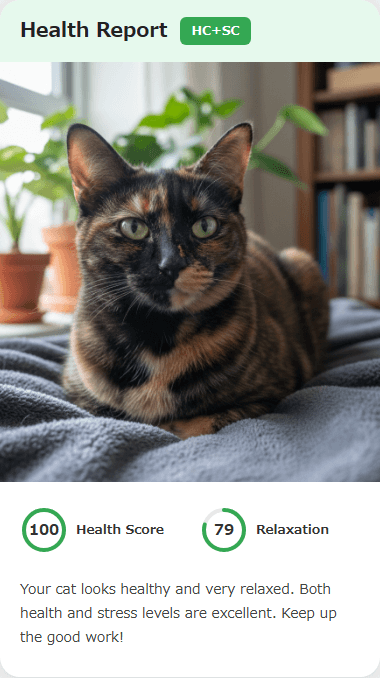

For senior cats, every day matters
Subtle changes can signal serious issues in older cats. CatsMe tracks behavior, appetite, and health scores so you can act fast.
يستخدمه أكثر من 380,000 مالك قطط في 50 دولة


Early Symptoms of Diabetes in Cats
The four classic early signs of feline diabetes are:
- Increased thirst (drinking excessive water)
- Increased urination (larger or more frequent clumps in the litter box)
- Weight loss despite eating well (the body cannot use glucose properly)
- Ravenous appetite (constantly begging for food)
As the disease progresses, you may notice your cat walking flat on their hocks (a plantigrade stance caused by diabetic neuropathy), lethargy, and a dull, unkempt coat.
Cats at highest risk: Obese cats (the single biggest risk factor), middle-aged and older cats (8+), males, Burmese, and cats with a history of long-term steroid use.
What Insulin Therapy Actually Looks Like
Insulin types: Glargine (Lantus) and ProZinc (PZI) are the most commonly used in cats. Glargine is associated with higher remission rates.
How to inject: Twice daily, 12 hours apart, as a subcutaneous injection. You pinch the skin between the shoulder blades and insert the needle. The needles are extremely fine (29–31 gauge), and most cats barely notice.
Blood glucose monitoring: Follow your vet's guidance — this may include at-home glucose testing or periodic fructosamine blood tests to evaluate long-term control.
Hypoglycemia emergency: If your cat becomes wobbly, has seizures, or seems disoriented, rub honey or corn syrup on their gums immediately and rush to the vet.
Diet Management: Low-Carb Feeding Is Key
Cats are obligate carnivores, and a high-protein, low-carbohydrate diet is ideal for managing feline diabetes.
Target: Wet food with less than 12% carbohydrates on a dry-matter basis. Since dry kibble is typically carb-heavy, switching to a primarily wet food diet is strongly recommended.
Recommended foods: Hill's m/d, Royal Canin Diabetic, or high-quality grain-free wet foods.
Meal timing: Feed at the same time as each insulin injection. Stick to two scheduled meals per day.
Combined with weight management strategies, getting your cat to a healthy body condition is a critical factor in achieving and maintaining remission.
Diagnostic Tests for Feline Diabetes & What to Expect
Confirming a diabetes diagnosis in cats requires more than a single blood glucose reading, because stress alone can push a cat's blood sugar above 300 mg/dL — a phenomenon known as stress hyperglycemia that can easily be mistaken for diabetes.
Blood glucose measurement: Normal feline blood glucose ranges from 70 to 150 mg/dL. Diabetic cats often exceed 300 mg/dL, but a single high reading is not diagnostic on its own.
Fructosamine test: Reflects the average blood glucose level over the preceding 2 to 3 weeks. Because it is unaffected by short-term stress spikes, it is the best tool for confirming diabetes and monitoring treatment effectiveness. Cost: $25 to $40 (¥3,000–5,000).
Urinalysis: Checks for glucose and ketones in the urine. The presence of ketones signals potential diabetic ketoacidosis (DKA), a life-threatening emergency that requires immediate hospitalization.
Complete blood work: Evaluates liver enzymes, cholesterol, and other markers associated with diabetes. It also helps rule out concurrent conditions such as hyperthyroidism.
Total initial diagnostic cost: Approximately $80 to $200 (¥10,000–25,000).
Blood glucose curve: After insulin therapy begins, your vet will measure blood sugar at multiple points throughout the day to map the insulin's peak and duration of action. This data is used to optimize the insulin type and dose. Home glucose monitoring is becoming increasingly accessible and reduces the stress of repeated clinic visits.
Strategies for Achieving Diabetic Remission in Cats
The possibility of remission is the single brightest spot in a feline diabetes diagnosis. Here is how to maximize the chances of getting there.
Conditions that improve remission rates:
- Early treatment: Start appropriate insulin therapy as soon as possible after diagnosis — ideally within the first few weeks. The longer the pancreas is under strain, the lower the odds of recovery.
- Glargine (Lantus) insulin: Studies suggest that glargine is associated with higher remission rates compared to other insulin types in cats.
- Strict low-carbohydrate diet: Target less than 12% carbohydrates on a dry-matter basis.
- Weight management: For obese cats, pursue gradual, safe weight loss under veterinary guidance.
Signs that remission may be approaching:
- The insulin dose gradually decreases over time
- Blood glucose levels stabilize closer to the normal range
- Episodes of hypoglycemia begin to occur — this actually signals that the insulin dose needs to be reduced, which is a positive indicator
Critical points after achieving remission:
- Remission is not a permanent cure. Relapse is possible, so a low-carbohydrate diet must continue for life.
- Schedule regular blood glucose and fructosamine testing to catch any recurrence early.
- Avoid corticosteroid medications whenever possible, as they can trigger relapse.
If remission does not happen, do not lose hope. Many cats thrive on long-term insulin therapy and enjoy a high quality of life. Using the CatsMe app to track blood glucose readings, meals, and insulin doses makes daily management more organized and less stressful for both you and your cat.
Living with a Diabetic Cat: The Reality of Daily Management
Living with a diabetic cat can feel overwhelming at first, but once a routine is established, it becomes a manageable part of daily life that most owners adapt to surprisingly quickly.
A typical daily routine:
- Morning: Check blood glucose (if doing home monitoring) then feed, then give the insulin injection
- During the day: Normal activity. Watch for any signs of lethargy or unusual behavior
- Evening: Feed, then give the second insulin injection (12 hours after the morning dose)
- Before bed: Quick check for any signs of low blood sugar
Handling hypoglycemia (emergency):
- If you notice wobbliness, seizures, or diminished consciousness, immediately rub honey or corn syrup on the gums
- Never give additional insulin when hypoglycemia is suspected
- Contact your veterinarian even if symptoms improve
Travel and time away:
- Insulin requires refrigerated storage. Use an insulated cooler bag when traveling.
- Train a trusted pet sitter on the injection technique well in advance of any trip.
- For absences longer than two days, consider a pet boarding facility that can administer insulin.
Your own mental health matters too: Managing a chronic condition in your pet can be stressful. Do not aim for perfection — aim for consistency. Lean on your vet team and Carelogy's online consultation service whenever you feel uncertain or overwhelmed. You are doing more for your cat than you probably realize.
هل تستطيع الإجابة عن سؤال "متى بدأ هذا؟"
عندما يسألك الطبيب البيطري، لا تبقَ بلا إجابة. CatsMe يسجّل تلقائيًا نقاط الصحة اليومية ويمكنك مشاركتها بلمسة واحدة.
糖尿病インスリン多飲多尿肥満シニア猫猫の病気
FAQ
References
This article is compiled and summarized by the Carelogy editorial team based on publicly available information from the following veterinary organizations, universities, and clinical manuals.
- AAHA. 2018 AAHA Diabetes Management Guidelines for Dogs and Cats (2018).
- ISFM. ISFM Consensus Guidelines on the Practical Management of Diabetes Mellitus in Cats (2015).
- Cornell Feline Health Center. Feline Diabetes — Feline Health Topics (2022).
- MSD Veterinary Manual. Diabetes Mellitus in Cats (2023).
 CatsMe
كن مستعدًا للتصرف لحظة شعورك بأن شيئًا ليس على ما يرام
التقط صورة واحدة، ويقرأ الذكاء الاصطناعي علامات الألم والحالة الصحية من تعابير قطتك. تحقّق في اللحظة التي تقلق فيها، وشارك السجل مع طبيبك البيطري.