

Key Takeaway: Rule Out Medical Issues First, Then Fix the Environment
Litter box avoidance is the #1 behavioral reason cat owners consult veterinarians and, tragically, the most common reason cats are surrendered to shelters or abandoned.
The most important thing to understand: this is NOT a training problem or your cat being 'bad' — it is a distress signal. Cats are naturally fastidious about their elimination habits. When they stop using the litter box, something is wrong — either medically or environmentally.
The correct approach, in order:
1. Rule out medical conditions first — bladder inflammation (cystitis), FLUTD, kidney disease, diabetes, and arthritis (which makes it painful to step into the box)
2. Distinguish spraying (marking) from inappropriate elimination — vertical urine (spraying) vs. horizontal elimination (litter box avoidance) require completely different solutions
3. Optimize litter box setup — number of boxes, size, location, litter type, and cleanliness
4. Identify and remove stress triggers — new pets, household changes, inter-cat conflict
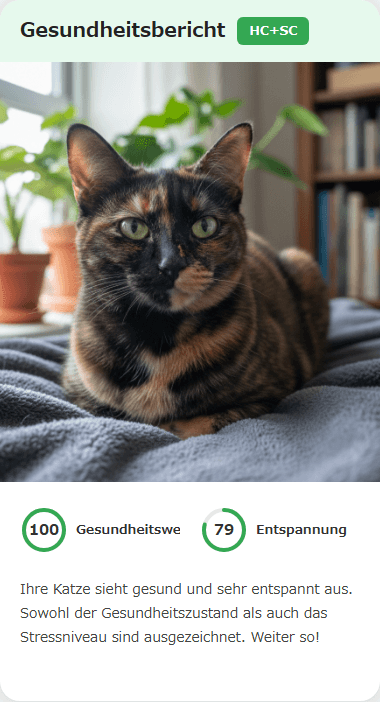

Der tägliche Begleiter Ihrer Katze
Pflegeerinnerungen, Gewichtsverlauf und Gesundheitsroutinen — CatsMe vereint alles in einer App.
Über 380.000 Katzenbesitzer in 50 Ländern vertrauen CatsMe


Medical Causes: Symptoms That Require a Vet Visit
Research suggests that approximately 60% of inappropriate elimination cases have an underlying medical cause. This is why the first step should always be a veterinary visit — not behavioral modification.
Urination problems to watch for:
- Frequent trips to the litter box with only small amounts of urine → cystitis (bladder inflammation) or FLUTD (feline lower urinary tract disease)
- Blood visible in urine → bladder stones or severe cystitis
- Unusually large volumes of urine → kidney disease, diabetes mellitus, or hyperthyroidism
- Crying or vocalizing during urination → pain — seek veterinary care urgently
Defecation problems to watch for:
- Hard stool with straining → constipation (common in senior and dehydrated cats)
- Soft stool or diarrhea → gastrointestinal disease, food intolerance, or parasites
- Cat tries to reach the litter box but doesn't make it in time → possible arthritis making it difficult or painful to climb into the box (very common in senior cats)
⚠️ Life-threatening emergency: Male cats with urinary blockage (completely unable to urinate) can die within 24-48 hours from kidney failure and potassium buildup causing cardiac arrest. If your male cat is straining in the litter box and producing no urine, this is a medical emergency.
Litter Box Optimization Checklist
Use this checklist to identify and fix environmental causes of litter box avoidance:
✅ Number of boxes: The golden rule is cats + 1 (2 cats = 3 boxes). This isn't marketing — it's based on feline territorial behavior research. Each cat needs the option to use a 'private' box.
✅ Size matters: The box should be at least 1.5 times your cat's body length. Most commercially sold litter boxes are actually too small for average-sized adult cats. A large plastic storage container (with one side cut down for entry) makes an excellent, inexpensive alternative.
✅ Litter type: Studies consistently show cats prefer fine-grained clumping clay (bentonite) litter. Changing litter type is a major stress event for cats. If you must switch, place the new litter in a separate box next to the old one and let your cat choose.
✅ Cleanliness: Scoop clumps at least twice daily. Replace all litter every 2-4 weeks. Would you want to use a toilet that's only flushed once a day? Neither does your cat.
✅ Location: Place boxes in quiet, low-traffic areas away from food and water bowls. Provide one box per floor in multi-story homes. Ensure there's an escape route — cats feel vulnerable while eliminating and won't use a box in a dead-end corner where they could be ambushed by another pet.
✅ Remove hoods/covers: Covered boxes trap odor inside, which humans appreciate but cats hate. If your cat has stopped using a hooded box, remove the cover as a first step.
✅ Clean accident spots thoroughly: Use an enzyme-based cleaner specifically designed for pet urine. Cats return to spots where they can still smell urine — regular household cleaners don't break down uric acid crystals.
Spraying vs. Inappropriate Elimination
These are two completely different behaviors with different causes and solutions. Getting the diagnosis right is essential:
Spraying (territorial marking):
- Cat stands upright with tail raised and quivering, depositing small amounts of urine on vertical surfaces (walls, furniture legs, door frames)
- Purpose: territorial communication. Most common in intact males, but also occurs in neutered males and females
- Triggers: introduction of a new cat, seeing outdoor cats through windows, moving to a new home, changes in household routine
Inappropriate elimination (litter box avoidance):
- Cat squats normally and deposits normal volumes of urine or feces on horizontal surfaces (floor, bedding, bags, laundry)
- Purpose: the cat needs to eliminate but is avoiding the litter box due to medical discomfort or environmental dissatisfaction
Effective solutions for spraying:
1. Spay/neuter surgery — if not yet done, this resolves spraying in about 90% of cases
2. Block visual access to outdoor cats — apply frosted window film to windows where stray cats are visible
3. Install Feliway (synthetic feline facial pheromone) diffusers near spraying locations — signals 'safety' to the cat's brain
4. In multi-cat households, ensure each cat has adequate personal space, vertical territory (cat trees), and resources (food bowls, water stations, resting spots)
Identify Litter Box Issues Early with CatsMe
Litter box problems are the #1 reason the bond between cats and their owners breaks down. But in most cases, warning signs appear before the problem becomes obvious.
How CatsMe helps with litter box issues:
- AI facial expression analysis detects early signs of discomfort and stress — urinary pain and anxiety are reflected in facial expressions before behavioral changes become obvious
- Elimination pattern tracking — Monitor changes like 'more frequent litter box visits lately' or 'smaller amounts per visit' with quantified data
- Stress level visualization — Track stress changes after introducing new pets, moving, or household disruptions
- Symptom checker — Enter concerns like 'peeing outside litter box,' 'frequent urination,' or 'blood in urine' to explore possible causes and recommended actions
- Vet-ready health reports — Share a complete timeline of the problem with your veterinarian for more accurate diagnosis
Litter box issues are highly resolvable when caught early. Ignoring them leads to escalating stress for both cat and owner, and tragically, is the most common reason cats lose their homes.
Try CatsMe now →
Könnten Sie beantworten: ‚Seit wann geht es ihr so?'
Wenn der Tierarzt fragt, sollten Sie nicht raten müssen. CatsMe protokolliert automatisch tägliche Gesundheitswerte, die Sie mit einem Fingertipp teilen können.
トイレ粗相スプレー排泄問題ストレス猫のしつけ
FAQ
 CatsMe
Seien Sie vorbereitet, wenn Ihnen etwas auffällt
Ein Foto genügt: Die KI liest Schmerz und Zustand am Gesichtsausdruck Ihrer Katze ab. Prüfen Sie im Moment der Sorge und teilen Sie die Aufzeichnung mit Ihrer Tierarztpraxis.