

Essential Supplies Checklist Before Bringing a Cat Home
Get everything ready before bringing your new cat home. Ideally, have supplies in place one week before adoption day.
Essential Supplies
- Litter box: One per cat plus one extra is ideal; start with a simple open-top design
- Cat litter: Clumping clay (bentonite) is the most widely accepted
- Food: Age-appropriate complete nutrition (kitten or adult formula)
- Food and water bowls: Ceramic or stainless steel; wide enough that whiskers do not touch the sides
- Carrier: Essential for vet visits and emergencies
- Scratching posts: Offer multiple textures — cardboard, sisal rope, carpet
Nice-to-Have Items
- Cat tree: Provides vertical exercise and a secure high perch
- Water fountain: Great for cats that prefer running water
- Brush: For grooming — a must for long-haired breeds
- Toys: Wand teasers, balls, mouse-shaped toys
- Hiding spots: Cardboard houses, covered shelves
Safety checks to complete
- Window and screen escape prevention
- Electrical cord covers
- Remove plants toxic to cats
- Pick up small items (rubber bands, string, thumbtacks)
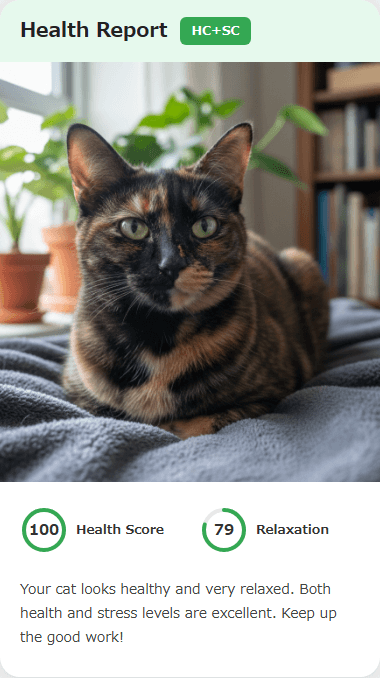

Your cat's daily companion
From grooming reminders to weight trends, CatsMe keeps your cat's care routine on track — all in one app.
Used by 380,000+ cat owners in 50 countries


The First Day: Helping Your Cat Adjust
A change of environment is highly stressful for cats. On the first day, prioritize your cat's comfort above everything else.
Arrival — First Few Hours
1. Designate a single room as the cat's safe space (do not open the entire home at once)
2. Set up a litter box, food, water, and hiding spots in that room
3. Open the carrier door and let the cat emerge on its own (never pull the cat out)
4. If the cat hides, leave it alone
What NOT to Do on Day One
- Crowd around the cat with the whole family
- Make loud noises or sudden movements
- Introduce other pets right away
- Chase the cat around for social media photos
Days 1-7 Schedule
- Days 1-3: Let the cat settle in one room; keep interaction gentle and minimal
- Days 4-7: As the cat gains confidence, gradually allow access to other rooms
- Week 2+: In multi-cat homes, follow the new cat introduction protocol
Every cat adjusts at its own pace. Shy cats may take a month or longer. Be patient and let the cat set the timeline.
Post-Adoption Health Care Essentials
Schedule a veterinary visit early to get your new cat started on the right track.
Visit the Vet Within the First Week
- Full physical examination
- Fecal test for parasites
- FIV/FeLV testing — especially for rescued cats
- Confirm the vaccination schedule
Important Next Steps
- Microchip: In Japan, microchipping has been mandatory for cats from breeders and pet shops since June 2022
- Spay/neuter: Recommended at 6-8 months of age
- Start flea and tick prevention: Essential for cats coming from outdoor environments
- Consider pet insurance: Early enrollment is recommended
Feeding Tips
- Initially feed the same food the cat was eating in its previous environment (sudden changes cause diarrhea)
- Transition to a new food gradually over 1-2 weeks
- Kittens need age-appropriate kitten formula
- Place food and water bowls apart (cats instinctively avoid water near their food)
Adoption marks the beginning of a new life together. The trust you build in the first few months forms the foundation for years of companionship.
Step-by-Step Practical Guide to Bringing a Cat Home
A clear timeline makes the adoption process less stressful for both you and your new cat. Follow this practical checklist to ensure nothing falls through the cracks.
Two Weeks Before Adoption
Purchase essentials: litter box, food, water bowls, carrier, and scratching posts. Complete safety proofing — window escape prevention, removal of toxic plants, electrical cord covers. Choose a primary veterinary clinic and begin comparing pet insurance options.
One Week Before Adoption
Set up a dedicated safe room for the cat. Place the litter box, food, water, and hiding spots inside. Position a carrier in the room with the door open. Go over first-day rules with everyone in the household.
Adoption Day
During transport, drape a towel over the carrier to reduce visual stimulation. Place the carrier in the safe room and open the door. If the cat does not emerge, do not force it — wait patiently in silence.
Day 2 Through Week 1
Let the cat settle in the safe room at its own pace. Offer two play sessions per day if the cat is responsive. Track food and water intake and litter box output. Contact your vet if anything seems off.
Week 2 Onward
Gradually allow the cat to explore additional rooms. In multi-cat homes, begin the introduction process with resident cats.
Common Mistakes New Cat Owners Make
First-time cat owners often make well-intentioned mistakes that slow the adjustment process. Knowing what to avoid sets you and your cat up for a smoother start.
Mistake 1: Opening the Entire Home on Day One
A new environment is highly stressful for cats. Presenting a vast, unfamiliar space overwhelms them and drives them into hiding. Start with a single room and expand access gradually.
Mistake 2: Trying to Handle the Cat Immediately
Wait for the cat to approach you on its own terms. Forcing contact delays trust building. Rescued cats, in particular, may be wary of humans and need extra time.
Mistake 3: Changing Food Abruptly
Feed the same food the cat was eating in its previous home for the first few days. Sudden dietary changes cause digestive upset and diarrhea. Transition to a new food over one to two weeks by gradually mixing increasing proportions.
Mistake 4: Introducing Resident Cats Right Away
Introducing a new cat requires a phased process. Immediate face-to-face meetings stress both cats and can trigger aggressive behavior that is difficult to undo.
Mistake 5: Postponing the First Vet Visit
Schedule a veterinary exam within one week of adoption to confirm the cat's health status and set up a vaccination schedule. FIV/FeLV testing is especially important for rescued cats.
When to See a Vet After Adopting a Cat
After bringing a new cat home, watch for the following signs that warrant a veterinary visit. Early attention prevents minor issues from becoming serious problems.
See a Vet Immediately If
The cat has not eaten anything in 24 hours, there is no urination (a urinary blockage in male cats is a life-threatening emergency), diarrhea or vomiting persists, the cat shows heavy sneezing, nasal discharge, or eye discharge (possible upper respiratory infection), the cat is lethargic and unresponsive, or there are visible wounds or bleeding.
Schedule a Vet Visit Within the First Week
A full physical examination, fecal parasite test, FIV/FeLV screening, vaccination schedule review, and microchip verification or implantation should all happen in the first seven days.
Special Considerations for Rescued Cats
Cats from shelters or the streets may carry parasites, skin conditions, or nutritional deficiencies related to their prior living situation. The initial health exam is the opportunity to catch and treat these issues early.
Stress-Related Symptoms
Environmental change can trigger appetite loss or litter box accidents in the first few days. A brief adjustment period of two to three days is within the normal range. If symptoms persist beyond a week, consult your veterinarian.
Prevention & Long-Term Tips for a Successful Cat Adoption
A successful adoption extends far beyond the first week. These long-term strategies help you and your cat build a fulfilling life together.
Building Trust Over Time
Trust with a cat is earned gradually, not demanded. Daily play sessions and gentle grooming are the building blocks. Respect the cat's boundaries and avoid forced interaction — patience consistently outperforms pressure.
Ongoing Health Management
Schedule annual veterinary checkups — twice yearly for senior cats. Stay current on vaccinations, flea and tick prevention, and dental care.
Adapt the Environment as the Cat Grows
A kitten's needs differ from an adult's, and an adult's needs differ from a senior's. Reassess food choices, litter box accessibility, and enrichment options at each life-stage transition.
Emergency Preparedness
Prepare a disaster kit that includes a carrier, a supply of food, and copies of medical records. In addition to your regular veterinary clinic, identify an emergency hospital that operates on nights and weekends.
Learn to Read Your Cat
Understanding cat body language is the foundation of a strong relationship. Learning to interpret tail position, ear orientation, and pupil size allows you to respond accurately to your cat's needs and strengthens the bond over time.
Turn today’s care into a daily habit
Grooming, weight trends, appetite — CatsMe keeps it all in one place so subtle changes never slip by.
迎え入れ準備初心者保護猫子猫
FAQ
 CatsMe
Be ready the moment you sense something's off
Take one photo and the AI reads pain and condition from your cat's expression. Check the moment you wonder, and share the record with your vet.