

Bottom Line: Aim for 18–22°C Indoors — Watch for Dryness and Burns
The comfortable winter room temperature for cats is roughly 18–22°C (64–72°F). When it drops too low, a cat's immune defenses weaken, making upper respiratory infections (cat colds) more likely. On the other hand, excessive heating dries the air and increases the risk of low-temperature contact burns. Striking the right balance between warmth, humidity, and heater safety is the foundation of winter health management for your feline companion.
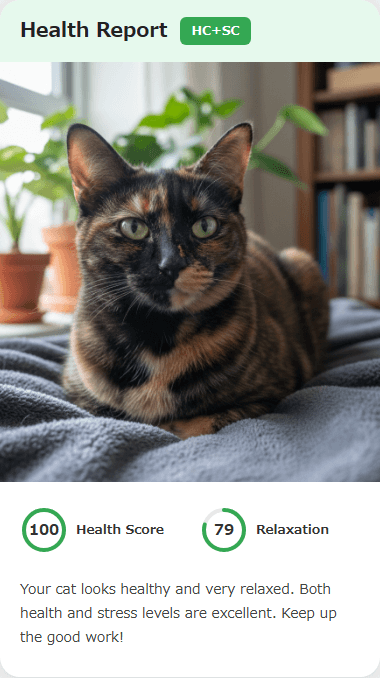

Catch problems before they start
Daily health tracking makes early detection possible. CatsMe logs changes automatically so small shifts don't slip past you.
Used by 380,000+ cat owners in 50 countries


Preventing Cat Colds: Symptoms and Precautions
Cat colds — caused by feline herpesvirus (FHV-1) and feline calicivirus (FCV) — trigger nasal discharge, sneezing, eye discharge, and fever.
Prevention Tips
- Get annual core vaccinations (FVRCP): This is the single most effective preventive measure.
- In multi-cat homes, isolate any cat showing symptoms to prevent spread.
- Outdoor cats face a higher infection risk and should have regular checkups.
- Support immune function with proper nutrition and a warm, stable indoor temperature.
Safety Precautions for Different Types of Heaters
Fan heaters and electric space heaters: Cats may sit too close and suffer burns or singed fur. Always install a guard and maintain a safe distance your cat cannot breach.
Kotatsu (heated tables) and electric blankets: The enclosed, warm space can cause low-temperature contact burns, dehydration, and even heat exhaustion. Do not let your cat sleep under a kotatsu for extended periods.
Heated floor mats: Prolonged direct contact with the surface can result in slow-developing contact burns. Place a cover over the mat and ensure your cat is free to move off it whenever they want.
Combating Winter Dryness and Maintaining Water Intake
Heating dries the indoor air, which in turn dries out your cat's airways and skin, increasing susceptibility to respiratory infections. Use a humidifier to keep indoor humidity at 40–60%.
Cats tend to drink less water in winter, raising the risk of lower urinary tract problems (cystitis, urinary stones). Encourage hydration by warming water to lukewarm, adding more wet food to the diet, and placing water bowls in multiple locations throughout the home.
Spot Changes Early with Online Veterinary Consultations
Winter is a season when cats are more susceptible to falling ill. If you notice worrisome changes — more sneezing, a drop in appetite, or seemingly low water intake — you can consult a veterinarian from the comfort of your home through Carelogy's online veterinary service. It is especially convenient during cold weather when trips to the clinic are difficult.
Common Mistakes to Avoid in Winter Cat Care
Understanding the most common winter care mistakes helps you avoid them before they affect your cat's health.
Mistake 1: Cranking the heat without managing humidity
Owners focus on raising room temperature but forget that heating systems strip moisture from the air. When indoor humidity drops below 40 percent, your cat's airways dry out, weakening the mucous membrane barrier that defends against upper respiratory infections. Place a hygrometer alongside your thermometer and run a humidifier whenever humidity falls below the 40 percent threshold.
Mistake 2: Assuming the kotatsu is safe
The kotatsu may look cozy, but it is one of the most dangerous winter heat sources for cats. The enclosed space traps heat and moisture, creating conditions for low-temperature contact burns, dehydration, and overheating. Always prop the blanket open slightly for ventilation and make sure your cat can exit freely at any time.
Mistake 3: Believing cats do not need exercise in winter
Reduced activity during cold months directly contributes to weight gain. Cats that move less burn fewer calories, but their appetite often stays the same or increases. Deliberately schedule indoor play sessions to maintain energy expenditure — two 10-minute sessions a day is a reasonable winter target.
Mistake 4: Having only one water station in a cold area
If the water bowl sits in a chilly part of the house, your cat may avoid making the trip. Place additional bowls in warm areas where your cat spends most of its time, and offer lukewarm water — many cats drink noticeably more when the water is slightly warmed.
Expert Tips & Best Practices for Winter Comfort
Veterinary professionals and feline care experts recommend these advanced strategies for keeping cats healthy and comfortable throughout the coldest months.
Safe supplemental heating
Pet-specific heating pads are designed to operate at a low, safe temperature range of 38 to 40 degrees Celsius, significantly reducing the risk of contact burns. They make an excellent addition to your cat's winter bed. Always cover electrical cords with chew-proof tubing to prevent your cat from biting through the insulation.
Immune-supporting nutrition
Winter is the season when immune defenses are most vulnerable. A diet rich in high-quality animal protein supports immune cell production, and omega-3 fatty acid supplements (fish oil) help maintain the skin and mucosal barriers that are your cat's first line of defense against pathogens. Scheduling a health checkup at the start of winter is an excellent way to assess nutritional status and catch any deficiencies early.
Comprehensive moisture management
In addition to running a humidifier, hanging a damp towel near a heat source adds moisture to the air passively. If you notice your cat grooming more frequently than usual — a common sign of dry, itchy skin — consider a moisturizing brushing spray formulated for cats. Never apply human moisturizers, as many contain ingredients that are toxic when ingested through grooming.
Nighttime warmth
Many households turn off the heating at night, but if room temperature drops below 15 degrees Celsius, your cat's body has to work harder to maintain core temperature, stressing the immune system. Set a timer to keep the room at a minimum of 18 degrees, or provide a fleece-lined bed and a pet-safe blanket that traps body heat effectively.
Seasonal Transitions: Preparing for and Recovering from Winter
The transition periods before and after winter require just as much attention as the coldest months themselves, because rapid temperature shifts destabilize a cat's immune system.
Autumn to winter (October to November)
As temperatures begin dropping sharply, your cat's immune defenses enter a vulnerable window. Confirm that core vaccinations are current — if not, schedule them before cold season arrives in full force. Prepare heating equipment and test it by early November so there are no surprises on the first truly cold night.
Deep winter (December to February)
This is when urinary tract disease risk peaks. Reduced water consumption leads to concentrated urine, which in turn promotes cystitis and urinary stone formation. Pay extra attention to water temperature, fountain cleanliness, and the wet-to-dry food ratio during these months. Monthly urine color checks — looking for darker-than-usual urine — are a simple but effective early warning system.
Winter to spring (March to April)
As the weather warms, cats enter their spring shedding phase. The volume of loose fur increases dramatically, raising the risk of hairballs and trichobezoar-related vomiting. Increase brushing frequency and consider hairball-control treats or a fiber-enriched diet to help fur pass through the digestive tract. Spring also brings pollen, and cats with skin allergies may show increased scratching, redness, or hair loss as allergen levels climb.
Prevention starts with noticing early
The best time to catch a problem is before it grows. CatsMe logs daily health scores so small changes never go unnoticed.
冬の猫ケア猫風邪暖房対策低温やけど室温管理
FAQ
 CatsMe
Be ready the moment you sense something's off
Take one photo and the AI reads pain and condition from your cat's expression. Check the moment you wonder, and share the record with your vet.