

Bottom Line: Keep Room Temperature Below 28°C and Humidity Below 60%
Cats lack sweat glands over most of their body, making them poor at regulating their own temperature. Once the room climbs above 28°C (82°F), the risk of heatstroke rises sharply, especially in enclosed, humid spaces with no air circulation. Running the air conditioner to maintain a safe indoor climate and providing fresh water at all times are the two most important preventive measures. Humidity above 60% further impairs a cat's ability to cool down through panting, so aim to keep both temperature and humidity within comfortable ranges throughout the summer months.
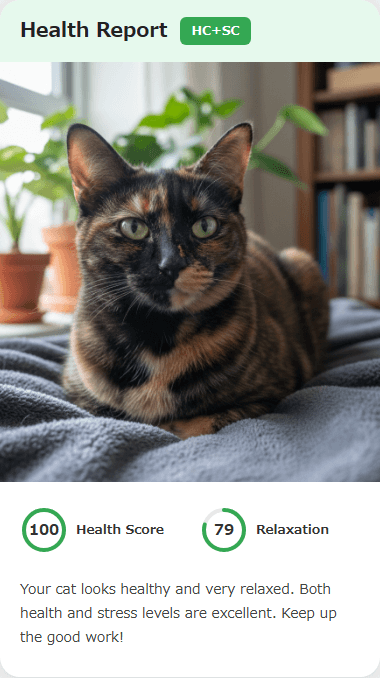

Catch problems before they start
Daily health tracking makes early detection possible. CatsMe logs changes automatically so small shifts don't slip past you.
Used by 380,000+ cat owners in 50 countries


Cats at Higher Risk of Heatstroke
Certain cats require extra vigilance during hot weather.
High-Risk Categories
- Brachycephalic breeds (Persians, Exotic Shorthairs): Their shortened airways make it harder to cool down through breathing.
- Overweight cats: Excess body fat acts as insulation, causing core temperature to rise faster.
- Senior cats and kittens: Their thermoregulation systems are either declining or not yet fully developed.
- Cats with chronic conditions (heart disease, respiratory illness): Heat places additional strain on already compromised organs.
If your cat falls into any of these groups, take proactive cooling measures even before temperatures peak.
Warning Signs of Heatstroke You Should Never Ignore
If you notice any of the following signs, suspect heatstroke immediately.
Early symptoms: Open-mouth breathing (panting), excessive drooling, reduced energy and appetite.
Severe signs (emergency!): Staggering or inability to stand, vomiting or diarrhea, unresponsiveness or extreme lethargy, gums that are abnormally red or pale, body temperature above 40°C (104°F).
If severe signs appear, begin first aid immediately and contact a veterinarian without delay. Heatstroke can progress to organ failure within minutes, so time is critical.
First Aid Steps for Heatstroke
STEP 1: Move to a cool area
Bring your cat to an air-conditioned room or a well-ventilated shaded spot immediately.
STEP 2: Cool the body gradually
Wet the entire body with room-temperature or lukewarm water. Avoid ice water or ice packs applied directly to the skin — rapid chilling can cause shivering, which generates more heat. Focus on areas with large blood vessels: the neck, armpits, and inner thighs.
STEP 3: Offer water
If your cat is conscious, offer small sips of water. Do not force-feed fluids, as aspiration into the lungs is a risk.
STEP 4: Contact your veterinarian immediately
Even if your cat appears to recover, internal organ damage may already be underway. Professional evaluation is essential.
Summer Room Temperature Management and Prevention Tips
Follow these best practices to keep your cat safe all summer long.
- Run the air conditioner 24/7: Do not turn it off when you leave the house (set it to 26–28°C / 79–82°F).
- Place fresh water in multiple spots: Cats drink more in summer, so refill bowls daily.
- Block direct sunlight: Use curtains or blinds to prevent indoor temperature spikes.
- Provide cooling aids: Aluminum cooling plates and chill mats give cats a place to lower body heat.
If something seems off with your cat, consult a veterinarian right away through Carelogy's online veterinary service — no trip to the clinic required.
Common Mistakes to Avoid in Summer Heat Management
Knowing the most common summer management mistakes helps you avoid them before they become dangerous for your cat.
Mistake 1: Offering ice-cold water directly
Drastically cold water can shock the digestive system and trigger vomiting. Room-temperature or slightly cool water is the safest choice. If you want to add a cooling element, drop a single ice cube into the bowl rather than filling it with ice water — this lowers the temperature gradually without causing a sudden internal chill.
Mistake 2: Setting the AC too low
A room at 22 to 24 degrees Celsius may feel comfortable for humans but can be too cold for cats, especially seniors and kittens. Set the thermostat to 26 to 28 degrees and make sure your cat can freely move between warmer and cooler areas of the house.
Mistake 3: Assuming a quick errand is safe for a cat in the car
Car interiors can exceed 50 degrees Celsius within minutes on a hot day, even with windows cracked. Never leave your cat in a parked car — not even for a two-minute convenience-store run. The temperature rise is faster and more extreme than most people realize.
Mistake 4: Relying solely on air conditioning with all windows sealed
Power outages during summer storms are not uncommon. If the AC fails while you are away, a sealed home becomes a heat trap. Keep at least one window slightly open with an escape-proof screen, or ensure your cat has access to multiple rooms so it can find the coolest available spot in an emergency.
Expert Tips & Best Practices for Summer Cat Care
Veterinarians and feline specialists recommend these advanced strategies for keeping cats safe and comfortable throughout the hottest months of the year.
Boosting water intake
A circulating fountain-style water dispenser encourages cats to drink significantly more than a still bowl. Increasing the proportion of wet food in your cat's diet adds hydration through meals. Another expert trick is to add a small splash of unsalted chicken broth to the water bowl — the scent and flavor make it irresistible to most cats without adding harmful sodium.
Stepping up grooming
Summer coincides with shedding season, and excess undercoat acts as insulation that traps heat against the body. Regular brushing removes loose fur and improves airflow through the coat. However, do not shave your cat or give a drastic summer haircut — the coat also provides critical UV protection, and removing it exposes the skin to sunburn.
Creating cooling stations
Place tile surfaces, marble slabs, or gel cooling mats in several locations throughout the house. Cats naturally seek the coolest surface available and will rotate between spots as body temperature dictates. Offering multiple options ensures your cat always has a nearby place to cool down regardless of where it happens to be.
Smart monitoring during absences
For summer solo time, a Wi-Fi-enabled room thermometer that sends alerts to your phone is invaluable. If the temperature crosses your set threshold — due to an AC malfunction or power blip — you receive a notification immediately and can either adjust the unit remotely or ask someone to check on your cat.
Seasonal Transition: Preparing Your Cat for Summer
Heatstroke risk is not limited to the peak of summer. The transitional periods surrounding the hot season can be equally dangerous — sometimes more so, because owners are not yet in summer-alert mode.
Rainy season (June to early July): Humidity frequently exceeds 80 percent, pushing the perceived temperature well above the actual reading. Use the dehumidifier function on your air conditioner to keep indoor humidity below 60 percent. High moisture also promotes mold growth, which can aggravate skin conditions in susceptible cats.
Late summer heat (September to early October): Temperatures can still top 30 degrees Celsius in September, yet many owners let their guard down. Do not pack away the air conditioner prematurely — keep it operational until daily highs stabilize below 25 degrees for at least a full week.
Unexpected warm spells (April to May): Spring days that suddenly hit 25 degrees or higher catch cats off guard because their bodies have not yet acclimatized to heat. Cats can develop heatstroke at lower absolute temperatures in spring than they would in midsummer, simply because their thermoregulatory system is still calibrated for cooler weather.
Using the CatsMe app's health tracking features to log water intake and activity levels throughout these transitional periods makes it much easier to spot early signs of heat stress before they escalate into a medical emergency.
Prevention starts with noticing early
The best time to catch a problem is before it grows. CatsMe logs daily health scores so small changes never go unnoticed.
熱中症夏の猫ケア室温管理熱射病猫の応急処置
FAQ
 CatsMe
Be ready the moment you sense something's off
Take one photo and the AI reads pain and condition from your cat's expression. Check the moment you wonder, and share the record with your vet.