
News & Trends2026-08-10Carelogy編集部
New Studies Target Four Major Feline Health Threats: FIP, GI Lymphoma, Bird Flu & Kidney Disease
Morris Animal Foundation has funded four new studies tackling major feline health threats — an FIP-linked coronavirus mutation, gastrointestinal lymphoma diagnosis, an antibody treatment for H5N1 avian influenza, and how mineral imbalances drive kidney disease progression. What the research covers, and what owners can do now.

New Research Launches Against Four Major Feline Health Threats
Morris Animal Foundation, which funds companion-animal health research, announced funding (March 24, 2026) for four new studies addressing serious health threats facing cats:
- FIP (feline infectious peritonitis): understanding a newly identified coronavirus mutation linked to FIP outbreaks
- Gastrointestinal lymphoma: now one of the most common cancers in cats — using gene-mapping technology to improve diagnosis and open the door to better treatment
- Avian influenza (H5N1): investigating a potential antibody treatment for H5N1 in cats
- Kidney disease: uncovering how mineral imbalances drive kidney disease progression
Each targets a leading cause of death or chronic illness in cats, meaning several major threats are now being tackled at once.
Source: Morris Animal Foundation.
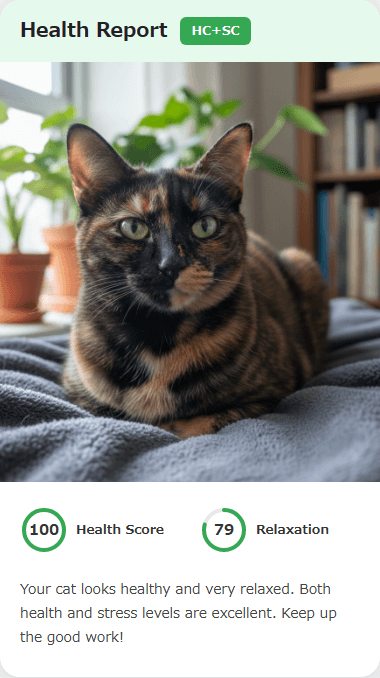

Wondering if this applies to your cat?
Just read the news? Check a photo of your cat's face in CatsMe for signs of pain (it does not diagnose disease).


Why It Matters: Progress on Multiple Leading Killers at Once
All four topics are conditions owners rightly fear. Kidney disease is the leading cause of death in cats, gastrointestinal lymphoma is a rising cancer, and FIP and H5N1 are infectious conditions that affect prognosis.
A single breakthrough matters — but the bigger significance here is that several major threats are being funded for research at the same time, lifting feline medicine as a whole. In recent years, areas that could once only be managed are starting to see the possibility of root-cause treatment, such as the approval filing for the AIM kidney drug. The real takeaway of this news is that research is steadily moving forward.
What Owners Can Do While the Research Advances
New treatments take time to reach the clinic. In the meantime, the single biggest factor owners control is early detection. For both kidney disease and lymphoma, the earlier you notice, the more options you have and the better the outlook.
What you can do today:
- A health checkup once or twice a year (twice for cats 7+). Track blood, urine, and weight over time
- Log changes in water intake, weight, and appetite (early kidney disease shows increased thirst/urination and gradual weight loss)
- Record anything unusual with photos and dates so you can tell your vet precisely
Whether your cat is "still early" depends on the records you build starting today. See also how to think about senior cat care.
Record daily life with CatsMe
To apply research findings to daily care, use records of weight, meals and vet visits when you talk to your vet. CatsMe (by Carelogy Inc.) uses AI to check a photo of a cat's face for signs of pain in its expression. It does not diagnose disease, assess overall health or replace a veterinarian; if you are worried, contact your vet regardless of the result.
- Keep dated records of weight, meals and vet visits and vaccinations to show your vet
- Records are kept per cat, so it works for multi-cat homes (iOS, Android and web, 14 languages)
- Developed with a background in university joint research; over 1 million checks run to date
Learn more about CatsMe →
Stay ahead of your cat’s health
Seen a worrying news story? Record how your cat is today. CatsMe keeps dated records for each cat.
研究FIPリンパ腫鳥インフル腎臓病2026
FAQ
 CatsMe
Be ready the moment you sense something's off
Take one photo and the AI checks your cat's expression for signs of pain. Keep per-cat records to review with your vet. CatsMe does not diagnose disease.