
News & Trends2026-04-20Carelogy編集部
SFTS Alert: Deadly Tick-Borne Disease in Cats Reaches Eastern Japan — Symptoms, Prevention & Human Risk
SFTS, a tick-borne disease with 60-70% fatality rate in cats, has been confirmed in eastern Japan for the first time. Record 183 human cases in 2025. Learn symptoms, prevention, and human transmission risk.

What Is SFTS? A Zoonotic Disease Fatal to 60-70% of Infected Cats — and Dangerous to Humans
SFTS (Severe Fever with Thrombocytopenia Syndrome) is caused by the SFTS virus, transmitted through bites from infected ticks. First reported in China in 2011, Japan confirmed its first human case in 2013.
Why every cat owner needs to know this:
- Fatality rate in cats is 60-70% (compared to ~29% in dogs)
- In 2025, the first cat case in eastern Japan was confirmed in Ibaraki Prefecture (previously only in western Japan)
- Direct cat-to-human transmission has been documented (first confirmed case worldwide in 2017)
- Human fatality rate is 6-30% (higher in elderly patients)
- 2025 saw a record 183 human infections (as of November 2)
A shocking case:
In 2024, a veterinarian in Mie Prefecture died of SFTS after treating an infected cat — despite having no tick bite marks. "Contact transmission" through the cat's bodily fluids (saliva, blood, excretions) is believed to be the cause.
The Japan Veterinary Medical Association issued a nationwide alert to all veterinary hospitals following this incident.
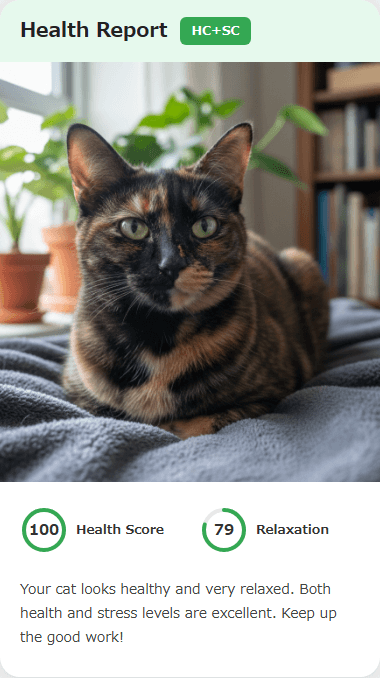

Wondering if this applies to your cat?
Just read the news? Check your own cat now with CatsMe — one photo, instant AI health score.
Used by 380,000+ cat owners in 50 countries


SFTS in Cats: Early Symptoms You Must Not Miss
The SFTS incubation period is 6 days to 2 weeks. Early symptoms resemble many other illnesses, making them easy to miss.
Early symptoms (days 1-3):
- High fever (above 39.5°C / 103°F)
- Sudden loss of appetite
- Vomiting and diarrhea
- Severe lethargy (unresponsive, unwilling to move)
Progressive phase (days 3-7):
- Thrombocytopenia → Bleeding from gums or skin, nosebleeds
- Leukopenia → Severely compromised immune function
- Jaundice → Yellowing of gums and whites of eyes
- Swollen lymph nodes
Emergency signs — go to the vet immediately:
- Bleeding from mouth or nose
- Blood in stool or urine
- Disorientation or altered consciousness
- Seizures
Important: If your cat went outdoors and shows these symptoms within 1-2 weeks of returning home, suspect SFTS and call the veterinary hospital before visiting. They need to prepare infection control measures.
Prevention Priority #1: Keep Your Cat Indoors
There is no vaccine and no specific treatment for SFTS. Prevention is the only defense.
Prevention priorities:
1. Complete indoor living (most critical)
- The only reliable way to eliminate tick contact entirely
- Indoor living benefits extend far beyond infection prevention
- Secure windows and entrance areas to prevent escapes
2. Regular antiparasitic medication
- Even indoor cats are at risk — owners can bring ticks inside on clothing
- Monthly spot-on treatments (Frontline, Broadline, etc.)
- See our parasite prevention guide
3. Owner self-protection
- Wear long sleeves and pants when entering grassy or wooded areas
- Use DEET-containing insect repellent
- Check for ticks after coming home; shower and inspect thoroughly
- Regularly mow your garden
4. If you find a tick on your cat
- Do NOT pull it out yourself (mouthparts may remain and increase infection risk)
- Have a veterinarian remove it with specialized forceps
- Monitor for fever and appetite loss for 2 weeks after removal
In the Ibaraki case, an indoor cat that temporarily escaped became infected. "My cat stays indoors" is not enough — escape prevention measures are essential.
Preventing Human Infection from Cats
SFTS can spread from cats to humans. The transmission route is contact with cat bodily fluids (saliva, blood, urine, feces).
Lessons from the veterinarian fatality:
The Mie Prefecture veterinarian had no tick bite marks and is believed to have been infected through contact with the cat's bodily fluids during treatment. This means simply handling a sick cat carries risk.
Home infection prevention:
1. Check for ticks before touching a cat that went outside
- Focus on behind ears, around eyes, under chin, between toes
- Ticks appear as 2-3mm dark brown dots (swelling to 1cm+ after feeding)
2. Wear gloves when handling vomit or feces
- Especially critical for cats showing signs of illness
- Wash hands with soap and use disinfectant after disposal
3. If bitten or scratched by a cat
- Wash the wound thoroughly under running water
- Apply disinfectant
- Seek medical attention if fever or fatigue develops within 2 weeks
4. Extra caution in households with elderly or immunocompromised members
- SFTS fatality rate is highest in elderly patients
- Strongly recommend complete indoor restriction for cats
If you develop symptoms suggestive of SFTS, visit a hospital with an infectious disease department. General internal medicine may not be equipped to handle this.
Use CatsMe to Log Outdoor Exposure and Detect Health Changes Early
SFTS has an incubation period of up to 2 weeks. Recording escape or outdoor exposure events helps you provide accurate information to your vet if symptoms appear.
What CatsMe can do:
- Activity log — Record escape/outdoor events with timestamps
- Temperature, appetite & activity tracking — Quantify subtle changes
- Symptom checker — Enter "fever," "appetite loss," or "bleeding" to assess urgency
- Vet-ready reports — Share accurate timelines like "escaped 2 weeks ago → now has fever"
Early detection is the difference between life and death.
Start tracking your cat's health with CatsMe →
Stay ahead of your cat’s health
CatsMe automatically logs daily health scores you can share with your vet in one tap — so you’re never left guessing.
SFTSマダニ重症熱性血小板減少症候群人獣共通感染症室内飼い2026
FAQ
 CatsMe
Be ready the moment you sense something's off
Take one photo and the AI reads pain and condition from your cat's expression. Check the moment you wonder, and share the record with your vet.