
News & Trends2026-05-06Carelogy編集部
2026 Multi-Cat Hoarding Crisis and Community Cat TNR: Post-Reform Field Reality and How Individuals Can Help
Japan's 2025 Animal Welfare Act revision and local government registration requirements now enable earlier intervention in multi-cat hoarding cases. Latest community cat TNR trends, municipal subsidies, individual involvement options, and how to choose rescue groups explained.

Bottom Line: What Changed in 2026, What Stayed the Same
What changed:
- 2025 amendment requires registration for multi-pet households (10+ cats), with penalties up to ¥300,000 for non-compliance
- Municipalities can now intervene earlier — neighbor reports → site inspection → guidance now has legal grounding
- TNR subsidy coverage expanded to 378 municipalities nationwide (+62 vs 2024)
- The 'community cat' concept is now in statute, clearly distinguishing from irresponsible feeding
What stayed the same:
- TNR work is still primarily carried by volunteers and small NPOs
- Spay/neuter subsidy amounts vary widely by region (¥0-20,000 per cat)
- Most hoarding cases are still discovered via neighbor reports
- Post-rescue adoption searches remain long
This article organizes what's happening on the ground in 2026 and what individuals can do, from a practical perspective.
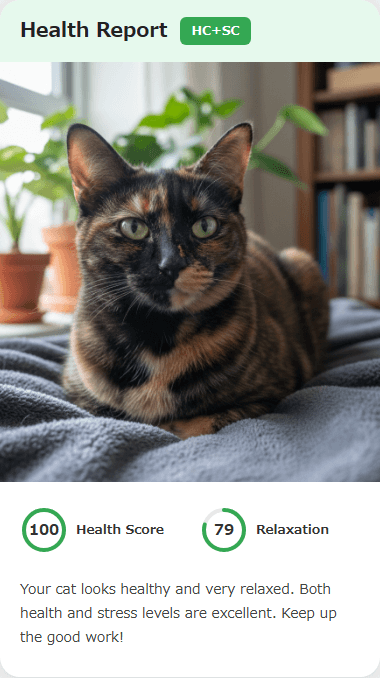

Wondering if this applies to your cat?
Just read the news? Check your own cat now with CatsMe — one photo, instant AI health score.
Used by 380,000+ cat owners in 50 countries


Multi-Cat Hoarding: 2024-2026 Data
From the Ministry of Environment's national animal welfare statistics:
| Year | Cases | Cats Involved | Avg per Case |
|---|---|---|---|
| 2022 | 2,148 | 18,420 | 8.6 |
| 2023 | 2,394 | 22,150 | 9.3 |
| 2024 | 2,876 | 27,840 | 9.7 |
| 2025 | 3,124 | 31,200 | 10.0 |
Typical occurrence pattern:
1. Elderly single-person household starts with 1-2 cats
2. No spay/neuter, breeding leads to 20-50 cats over 5-10 years
3. Becomes economically and physically unmanageable
4. Sanitation degrades, disease spreads, neighbor conflicts
5. Discovered via report or hospitalization
What the 2025 amendment enables:
- Registration requirement (10+ cats): Penalties for non-registration, regular check-ins on registered households
- Strengthened inspection authority: Inspections possible based on 'inappropriate facility conditions'
- Faster emergency rescue: Previously required advance notice → immediate rescue now possible in emergencies
- Hoarding-induced environmental degradation classified as 'animal cruelty': Criminal liability now possible
Reality check:
As of April 2026, only about 18% of estimated households have completed registration. The law exists, but awareness and enforcement haven't caught up.
TNR (Trap-Neuter-Return) Latest Operations
What is TNR:
- Trap: Capture humanely
- Neuter: Spay/neuter + vaccinate if needed
- Return: Return to original location
Globally recommended method to reduce outdoor breeding populations and minimize euthanasia.
Japan's evolution (2024-2026):
- 'TNRA (Adoption)' model spreading: socialized cats go to adoption, only wary cats are returned
- Microchip insertion has become standard alongside
- Ear-tip (V-shaped notch on left ear) identifies TNR-completed cats
- Smartphone apps share regional activity data
Subsidy status (April 2026):
| Municipality | Female | Male | Notes |
|---|---|---|---|
| Tokyo Shinjuku | ¥18,000 | ¥12,000 | Residents only |
| Yokohama | ¥5,000 | ¥5,000 | Registered group required |
| Osaka | ¥10,000 | ¥5,000 | Owner contribution |
| Fukuoka | ¥8,000 | ¥5,000 | Partner clinic required |
| Sapporo | None | None | NPO-funded |
Note: subsidies often don't cover full surgery costs, and the structure remains supported by volunteers and donations.
How Individuals Can Help: 5 Levels of Involvement
"I want to help but don't know how" — here are realistic options.
Level 1: Donate (takes 5 minutes)
- Monthly recurring donations of ¥1,000+ to trustworthy NPOs
- Choose animal welfare projects via 'furusato nozei' tax donations
- Support via Amazon wishlists for food and carriers
- Example trusted groups: NekoKen, Tokyo Cat Guardian, Kobe Cat Net, etc.
Level 2: Material support (monthly)
- Donate unused towels and blankets to rescue groups
- Donate long-shelf-life cat food and litter
- Provide used carriers, cat trees
Level 3: Adoption trial (medium-term commitment)
- Find a compatible cat at a rescue cafe
- Confirm adjustment via 1-2 week trial period
- Cats from hoarding situations take time to socialize but bond deeply
Level 4: TNR volunteer (weekend involvement)
- Apply to join local TNR groups
- Participate in trap setting, post-op care, feeding rotations
- After training, you can operate independently
Level 5: Community cat coordinator (long-term commitment)
- Launch a community cat project in your residents' association
- Apply for municipal subsidies, build neighbor consent, manage feeding stations and toilets
- Collaborate with the municipal animal welfare office
At any level, 'continuing' is the greatest contribution.
How to Identify Trustworthy Rescue Groups
Unfortunately, some groups exploit donations and goodwill. Use these checkpoints to judge.
✅ Trustworthy group characteristics:
- Registered as certified NPO or public interest corporation
- Publishes annual reports (finances, activities, intake numbers)
- Third-party audit or accountant verification
- Clear adoption requirements (age, housing, family composition)
- Post-adoption follow-up system
- Physical site can be visited (open days, etc.)
- Vet partnerships are stated explicitly
❌ Warning signs:
- Vague reporting of donation use
- Repeated emergency large-donation campaigns
- Only large SNS follower count (no visible substance)
- Excessively strict (or absurdly loose) adoption requirements
- Overly emotional posts pushing donations
- Hidden representative bios or contact info
Reference municipal/veterinary lists:
- Some prefectural animal welfare centers publish partner group lists
- Ask your regular vet about 'partner rescue groups'
- Check public info on the Ministry of Environment's Animal Welfare portal
3-minute pre-donation check:
1. Find the annual report on their official site
2. Verify on the National Tax Agency's certified NPO list
3. Check SNS for regularly updated activity photos and videos
Use CatsMe to Streamline Health Management for Rescued and Community Cats
On the ground in rescue work, 'who is which cat and when did they get vaccinated' management is the largest burden. CatsMe streamlines individual ID and health records.
CatsMe features for rescue work:
- Per-cat profile management — record photos, names, estimated ages, distinctive features
- AI chat consultation — judge 'is this emergency?' before contacting vets
- Vaccine and surgery history — hand off via PDF to new families at adoption
- AI health score — visualize daily condition from one photo, catch changes
- Online vet consultation — useful when full-clinic visits are impossible in multi-cat settings
Also for owners receiving rescued cats:
Centralizing health records before and after adoption smooths the transition into the new home.
Start activity and health management with CatsMe → (3-day free trial)
Stay ahead of your cat’s health
CatsMe automatically logs daily health scores you can share with your vet in one tap — so you’re never left guessing.
多頭飼育崩壊TNR地域猫動物愛護法保護活動2026
FAQ
 CatsMe
Be ready the moment you sense something's off
Take one photo and the AI reads pain and condition from your cat's expression. Check the moment you wonder, and share the record with your vet.