

Age 7 Marks the Start of Your Cat's Senior Years
A 7-year-old cat is roughly equivalent to a 44-year-old human, and this is when age-related health changes quietly begin. Even if your cat still looks and acts young, internal shifts are already underway.
Starting senior-focused care at age 7 opens the door to early detection of chronic kidney disease, hyperthyroidism, and diabetes — conditions where early intervention can dramatically improve quality of life and longevity.
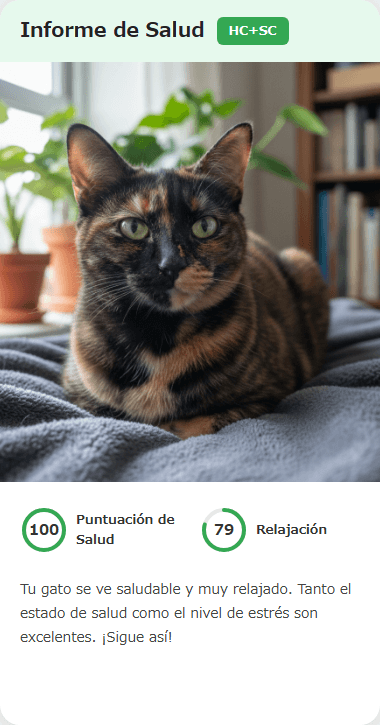

¿Te darías cuenta si algo va mal?
Los gatos ocultan el dolor. CatsMe usa IA para revisar una foto de la cara de tu gato en busca de signos de dolor en su expresión. No diagnostica enfermedades; si estás preocupado, consulta a tu veterinario.


Routine Health Screenings for Senior Cats
Ages 7–10: Twice-yearly wellness exams are recommended
- Blood panel (BUN, creatinine, SDMA, T4, glucose, CBC)
- Urinalysis (specific gravity, protein, occult blood)
- Blood pressure measurement
- Weight and Body Condition Score (BCS) evaluation
Ages 11+: Twice yearly plus additional diagnostics
- Add chest X-rays and abdominal ultrasound
- Cardiac ultrasound (especially for predisposed breeds)
Familiarizing yourself with how to read blood test results will help you get more out of these visits.
Annual screening costs roughly $150 to $350. It's not covered by pet insurance, but early detection can save you thousands in treatment costs down the road.
Rethinking Your Cat's Diet
Transitioning to senior cat food (around age 7):
- Slightly lower calories to match declining metabolism
- Maintain high-quality protein to prevent muscle loss
- Joint support ingredients (glucosamine and chondroitin)
- Omega-3 fatty acids for anti-inflammatory and cognitive benefits
If kidney health is a concern: Consult your vet about switching to a renal diet. See our kidney disease dietary guide for details.
If your cat is struggling to eat: Dental disease may be the culprit. Shift to primarily wet food, and try warming meals slightly to enhance the aroma.
Our cat food guide has more detailed nutrition advice.
Home Modifications & Cognitive Health
Joint-friendly home setup:
- Add intermediate steps to cat trees to reduce jump height
- Install ramps to beds and favorite perches
- Switch to a litter box with low sides for easy entry
- Provide warm bedding — joint pain worsens in the cold
Cognitive decline prevention:
- Keep the brain active through indoor exercise and interactive play
- Use puzzle feeders to add mental challenge to mealtimes
- Maintain daily routines while introducing mild novelty
- Consider DHA/EPA supplements (discuss with your vet)
Ongoing monitoring: Recording weight and meals with dates in CatsMe gives your vet a clear timeline at visits. Even gradual changes become visible in the data, helping you catch unexplained weight loss before it becomes a crisis.
Common Misconceptions About Senior Cat Care
These misconceptions about senior cat care can lead to preventable suffering and shortened lifespans.
"Low energy is just old age": This is the single most dangerous assumption senior cat owners make. In the majority of cases, an undiagnosed condition is responsible — kidney disease, thyroid disorders, arthritis, or dental pain being the most common culprits. Accepting lethargy as "normal aging" delays treatment for conditions that are often highly treatable when caught early. Always consult your vet rather than assuming age is the explanation.
"There's no need to change their food": Senior cats experience declining metabolism, muscle mass loss, and changes in kidney function that make adult-formula cat food nutritionally inappropriate. Around age 7, transition to a senior-specific diet that provides easier-to-digest protein, joint support ingredients, and appropriate calorie levels. Consult our cat food guide for detailed transition advice.
"Exercise is no longer necessary": Moderate physical activity becomes more important, not less, as cats age. Regular movement maintains muscle mass that protects joints, stimulates circulation, and provides cognitive benefits that may slow mental decline. The key is adjusting intensity — replace vigorous chase games with gentle wand toy sessions lasting 5 to 10 minutes daily.
"Twice-yearly checkups are excessive": Biannual health exams for cats over 7 are the internationally accepted standard of care, recommended by organizations including AAFP and ISFM. In the senior years, organ function can change significantly in just six months — catching a kidney value shift at the 6-month mark versus the 12-month mark can make the difference between dietary management and dialysis.
Practical Tips & How-To: Daily Senior Cat Care Routines
Here are actionable daily care routines tailored specifically for senior cats.
Feeding tips: If appetite is declining, warm wet food to body temperature to release its aroma — this simple trick can reignite interest in food for many senior cats. Use an elevated food bowl (or a dedicated feeding station) to reduce neck strain during meals. Switch from two large meals to three or four smaller servings throughout the day to aid digestion and maintain steady blood sugar.
Grooming assistance: Senior cats groom themselves less effectively, leading to matted fur, dandruff, and skin issues that go undetected. Daily brushing maintains coat health while giving you a chance to check for lumps, hair loss, skin changes, or tender spots that could indicate an underlying problem. Refer to our grooming guide for gentle techniques suited to older cats.
Nail care: Older cats scratch less frequently, causing nails to grow unchecked and curl into the paw pads. This is painful and can lead to infection. Check and trim nails every two to three weeks. Overgrown nails in senior cats are one of the most common — and most easily preventable — sources of pain.
Hydration management: Senior cats are at elevated dehydration risk due to declining kidney function. Place water bowls within easy reach of every resting area and consider pet water fountains to encourage drinking. Adequate hydration is one of the most effective measures for slowing kidney disease progression.
Record changes in your cat's expression with CatsMe
In the senior years it pays to record changes in weight, meals, water intake and litter-box use. Cats hide pain, so also watch for small changes in facial expression. CatsMe (by Carelogy Inc.) uses AI to check a photo of a cat's face for signs of pain in its expression. It does not diagnose disease, assess overall health or replace a veterinarian; if you are worried, contact your vet regardless of the result.
- Keep dated records of weight, meals, water intake and litter-box use to show your vet
- Records are kept per cat, so it works for multi-cat homes (iOS, Android and web, 14 languages)
- Developed with a background in university joint research; over 1 million checks run to date
Learn more about CatsMe →
¿Podrías responder "¿desde cuándo está así?"
CatsMe usa IA para revisar una foto de la cara de tu gato en busca de signos de dolor en su expresión y guarda registros con fecha de cada gato que puedes revisar con tu veterinario. No diagnostica enfermedades.
シニア猫高齢猫健康管理食事認知症関節
FAQ
 CatsMe
Prepárate para actuar en cuanto sientas que algo no va bien
Haz una foto y CatsMe revisa con IA la cara de tu gato en busca de signos de dolor. Guarda registros con fecha de cada gato para revisarlos con tu veterinario. No diagnostica enfermedades.