

Key Takeaway: Rule Out Medical Issues First, Then Fix the Environment
Litter box avoidance is the #1 behavioral reason cat owners consult veterinarians and, tragically, the most common reason cats are surrendered to shelters or abandoned.
The most important thing to understand: this is NOT a training problem or your cat being 'bad' — it is a distress signal. Cats are naturally fastidious about their elimination habits. When they stop using the litter box, something is wrong — either medically or environmentally.
The correct approach, in order:
1. Rule out medical conditions first — bladder inflammation (cystitis), FLUTD, kidney disease, diabetes, and arthritis (which makes it painful to step into the box)
2. Distinguish spraying (marking) from inappropriate elimination — vertical urine (spraying) vs. horizontal elimination (litter box avoidance) require completely different solutions
3. Optimize litter box setup — number of boxes, size, location, litter type, and cleanliness
4. Identify and remove stress triggers — new pets, household changes, inter-cat conflict
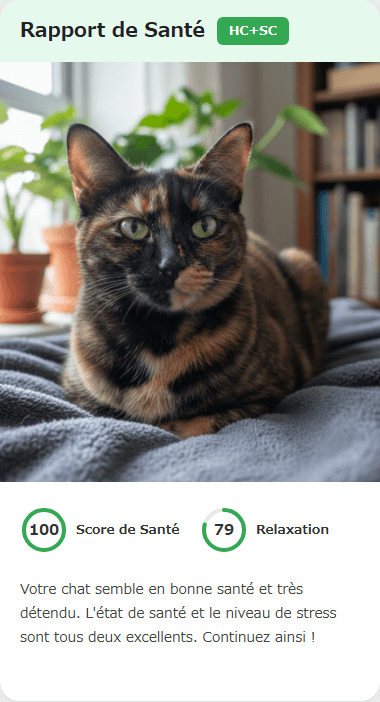

Remarqueriez-vous si quelque chose n'allait pas ?
Les chats cachent leur douleur. CatsMe utilise l'IA pour examiner une photo du visage de votre chat à la recherche de signes de douleur dans son expression. Il ne pose pas de diagnostic : si vous êtes inquiet, contactez votre vétérinaire.


Medical Causes: Symptoms That Require a Vet Visit
Research suggests that approximately 60% of inappropriate elimination cases have an underlying medical cause. This is why the first step should always be a veterinary visit — not behavioral modification.
Urination problems to watch for:
- Frequent trips to the litter box with only small amounts of urine → cystitis (bladder inflammation) or FLUTD (feline lower urinary tract disease)
- Blood visible in urine → bladder stones or severe cystitis
- Unusually large volumes of urine → kidney disease, diabetes mellitus, or hyperthyroidism
- Crying or vocalizing during urination → pain — seek veterinary care urgently
Defecation problems to watch for:
- Hard stool with straining → constipation (common in senior and dehydrated cats)
- Soft stool or diarrhea → gastrointestinal disease, food intolerance, or parasites
- Cat tries to reach the litter box but doesn't make it in time → possible arthritis making it difficult or painful to climb into the box (very common in senior cats)
⚠️ Life-threatening emergency: Male cats with urinary blockage (completely unable to urinate) can die within 24-48 hours from kidney failure and potassium buildup causing cardiac arrest. If your male cat is straining in the litter box and producing no urine, this is a medical emergency.
Litter Box Optimization Checklist
Use this checklist to identify and fix environmental causes of litter box avoidance:
✅ Number of boxes: The golden rule is cats + 1 (2 cats = 3 boxes). This isn't marketing — it's based on feline territorial behavior research. Each cat needs the option to use a 'private' box.
✅ Size matters: The box should be at least 1.5 times your cat's body length. Most commercially sold litter boxes are actually too small for average-sized adult cats. A large plastic storage container (with one side cut down for entry) makes an excellent, inexpensive alternative.
✅ Litter type: Studies consistently show cats prefer fine-grained clumping clay (bentonite) litter. Changing litter type is a major stress event for cats. If you must switch, place the new litter in a separate box next to the old one and let your cat choose.
✅ Cleanliness: Scoop clumps at least twice daily. Replace all litter every 2-4 weeks. Would you want to use a toilet that's only flushed once a day? Neither does your cat.
✅ Location: Place boxes in quiet, low-traffic areas away from food and water bowls. Provide one box per floor in multi-story homes. Ensure there's an escape route — cats feel vulnerable while eliminating and won't use a box in a dead-end corner where they could be ambushed by another pet.
✅ Remove hoods/covers: Covered boxes trap odor inside, which humans appreciate but cats hate. If your cat has stopped using a hooded box, remove the cover as a first step.
✅ Clean accident spots thoroughly: Use an enzyme-based cleaner specifically designed for pet urine. Cats return to spots where they can still smell urine — regular household cleaners don't break down uric acid crystals.
Spraying vs. Inappropriate Elimination
These are two completely different behaviors with different causes and solutions. Getting the diagnosis right is essential:
Spraying (territorial marking):
- Cat stands upright with tail raised and quivering, depositing small amounts of urine on vertical surfaces (walls, furniture legs, door frames)
- Purpose: territorial communication. Most common in intact males, but also occurs in neutered males and females
- Triggers: introduction of a new cat, seeing outdoor cats through windows, moving to a new home, changes in household routine
Inappropriate elimination (litter box avoidance):
- Cat squats normally and deposits normal volumes of urine or feces on horizontal surfaces (floor, bedding, bags, laundry)
- Purpose: the cat needs to eliminate but is avoiding the litter box due to medical discomfort or environmental dissatisfaction
Effective solutions for spraying:
1. Spay/neuter surgery — if not yet done, this resolves spraying in about 90% of cases
2. Block visual access to outdoor cats — apply frosted window film to windows where stray cats are visible
3. Install Feliway (synthetic feline facial pheromone) diffusers near spraying locations — signals 'safety' to the cat's brain
4. In multi-cat households, ensure each cat has adequate personal space, vertical territory (cat trees), and resources (food bowls, water stations, resting spots)
Record changes in your cat's expression with CatsMe
Litter-box habits are a clue to health, so dated notes on frequency and on stool and urine make a visit to the vet easier. CatsMe (by Carelogy Inc.) uses AI to check a photo of a cat's face for signs of pain in its expression. It does not diagnose disease, assess overall health or replace a veterinarian; if you are worried, contact your vet regardless of the result.
- Keep dated records of litter-box use and stool to show your vet
- Records are kept per cat, so it works for multi-cat homes (iOS, Android and web, 14 languages)
- Developed with a background in university joint research; over 1 million checks run to date
Learn more about CatsMe →
Pourriez-vous répondre « depuis quand ça dure ? »
CatsMe utilise l'IA pour examiner une photo du visage de votre chat à la recherche de signes de douleur dans son expression, et conserve des suivis datés pour chaque chat, à revoir avec votre vétérinaire. Il ne pose pas de diagnostic.
トイレ粗相スプレー排泄問題ストレス猫のしつけ
FAQ
 CatsMe
Soyez prêt à agir dès que vous sentez que quelque chose cloche
Prenez une photo et CatsMe examine par IA le visage de votre chat à la recherche de signes de douleur. Conservez des suivis datés pour chaque chat, à revoir avec votre vétérinaire. Il ne pose pas de diagnostic.