

What Is Hospice Care? Shifting from Treatment to Comfort
Hospice care focuses on keeping a terminally ill cat as comfortable as possible during the time they have left.
When to Consider Hospice Care
- A diagnosis of terminal cancer
- Advanced chronic kidney disease
- Heart disease that no longer responds to treatment
- Your veterinarian has indicated that curative options are exhausted
Hospice care does not mean "doing nothing." It involves proactive symptom management so that both the cat and the owner can share peaceful, quality time together.
With Carelogy's home-visit veterinary service, you can receive professional hospice support in the comfort of your own home.
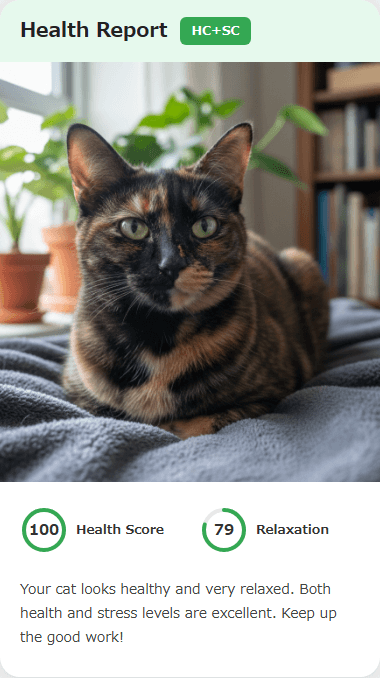

For senior cats, every day matters
Subtle changes can signal serious issues in older cats. CatsMe tracks behavior, appetite, and health scores so you can act fast.
50 देशों में 380,000 से अधिक बिल्ली मालिक CatsMe पर भरोसा करते हैं


Practicing Hospice Care at Home
Pain Management
Work closely with your veterinarian to use appropriate analgesics. Signs of pain in cats include:
- Resisting being touched or hiding
- Loss of appetite and ceasing to groom
- Postural changes (remaining curled up and immobile)
- Facial changes (squinting, ears flattened sideways)
Creating a Comfortable Environment
- Soft bedding: Use memory-foam pads or blankets to relieve pressure on the body
- Temperature control: Keep the space warm
- Place litter box, water, and food nearby: Minimize the effort required to move
- Quiet surroundings: Avoid loud noises and unexpected visitors
Nutrition & Hydration
- Offer favorite foods (this is not the stage to insist on prescription diets)
- Warm food slightly to enhance its aroma
- Provide small amounts of water via syringe
- Administer subcutaneous fluids at home if directed by your vet
Hygiene Care
- Gently wipe the body with a warm damp cloth
- Assist with elimination
- Keep the hind-quarter area clean and dry
Assessing Quality of Life & Preparing to Say Goodbye
Quality of Life (QOL) Scale
To objectively evaluate your cat's quality of life, score each of the following 7 criteria from 0 to 10 (the Villalobos QOL Scale).
1. Pain: Is pain being adequately managed?
2. Hunger: Is the cat eating enough?
3. Hydration: Is the cat free from dehydration?
4. Hygiene: Can cleanliness be maintained?
5. Happiness: Does the cat still experience joy or contentment?
6. Mobility: Can the cat move around on its own?
7. More good days than bad?
A total score of 35 or above suggests an acceptable quality of life.
Euthanasia as an Option
When suffering can no longer be controlled, euthanasia is a final act of compassion for your cat.
- Discuss thoroughly with your veterinarian
- In-home euthanasia may be available
- Talk it through with your family and reach a decision you are at peace with
Grief Support
Grieving after the loss of a cat is entirely natural. Learning about pet loss and grief care ahead of time can be very helpful.
Practical Guide: Daily Hospice Care Schedule
Establishing a daily routine is essential for providing effective hospice care to a terminally ill cat. Use the schedule below as a starting point and customize it based on your cat's individual needs and condition.
Morning Routine
- Observe your cat's overall demeanor (responsiveness, breathing, posture)
- Take the temperature if needed
- Offer food (warmed wet food with multiple options available)
- Administer medications as directed by your veterinarian
- Check for and clean up any elimination
Daytime Care
- Check on your cat every two to three hours
- Offer small amounts of water via syringe or a shallow dish
- Reposition the cat if they cannot move on their own (every two to four hours to prevent pressure sores)
- Provide comfort through a calm voice and gentle petting
- Perform subcutaneous fluid administration if directed by your vet
Evening Routine
- Refresh and clean the bedding
- Give evening medications
- Place water and a small amount of food within easy reach
- Record the sleeping respiratory rate
What to Track Daily
Keep a daily log of food intake, water consumption, elimination frequency and quality, signs of pain, and changes in energy level. Share this record regularly with your veterinarian to guide ongoing care decisions.
Expert Analysis: Veterinary Perspectives on Hospice Decisions
Decisions around hospice care are among the most difficult an owner will ever face. Here, veterinary professionals share their perspectives on decision-making criteria and the latest approaches to end-of-life care for cats.
When to Transition from Treatment to Hospice
Veterinarians typically suggest transitioning to hospice care when one or more of the following criteria are met.
- Active treatment is no longer producing a response
- Treatment side effects are significantly reducing quality of life
- The cat's bad days are outnumbering the good ones
- The burden on both the cat and the owner has become unsustainable
Advances in Pain Management
Pain management, the cornerstone of hospice care, continues to evolve. In addition to traditional NSAIDs and opioids, multimodal pain management combining adjunctive analgesics such as gabapentin and amantadine is now recommended. This layered approach targets pain through multiple pathways and provides more consistent comfort.
Advantages of Home-Based Hospice
The hospital environment is a significant source of stress for cats. Home-based hospice care through Carelogy's home-visit veterinary service allows your cat to receive professional care in the environment where they feel safest, contributing substantially to quality-of-life maintenance.
Euthanasia Decision Criteria
Veterinarians use the HHHHHMM scale — Hurt, Hunger, Hydration, Hygiene, Happiness, Mobility, and More good days than bad — to objectively assess quality of life. Sharing this framework with owners and evaluating it together provides a data-driven foundation for one of the hardest decisions a pet owner will ever make.
When to Take Action: Recognizing End-of-Life Signs
Understanding the signs that a cat's final days are approaching allows owners to prepare emotionally and spend the remaining time together as peacefully as possible.
Signs Appearing Days to Weeks Before
- Refusing most or all food
- Staying in one spot instead of visiting favorite places
- Rapid weight loss
- Ceasing to groom, leading to a disheveled coat
- Sleeping significantly more than usual
Signs Appearing Hours to Days Before
- Dropping body temperature (ears and paw pads feel cold)
- Changes in breathing pattern (irregular or shallow breaths)
- Reduced responsiveness and unfocused eyes
- Loss of bladder or bowel control
- Seeking solitude and hiding (an instinctive feline behavior)
How Owners Can Respond at This Stage
- Do not force-feed
- Keep the body warm with blankets or a warm water bottle
- Sit quietly beside your cat and speak in a gentle, soothing voice
- Allow other family members and pets an opportunity to say goodbye
- Contact your veterinarian to discuss the timing of euthanasia if needed
If your cat's suffering is visibly increasing, not postponing the euthanasia decision is itself a final act of love. Letting go at the right moment spares your cat unnecessary pain and is one of the most compassionate choices an owner can make.
Resources & Support for Hospice Care
Here is a compilation of resources available to owners providing hospice care, along with guidance on supporting your own physical and emotional well-being during this challenging time.
Carelogy Services
- Home-visit veterinary care: On-site hospice support including pain assessment and subcutaneous fluid guidance
- Online consultation: Access to a veterinarian for sudden changes in your cat's condition
Related Carelogy Articles
- Pet Loss and Grief Care: Preparing for goodbye and coping with grief
- Senior Cat End-of-Life Care: Comprehensive end-of-life guide
- Cancer Early Detection: Also relevant for cancer-related hospice care
Owner Self-Care
Caring for a terminally ill cat takes a heavy emotional toll on the owner. Keep the following self-care practices in mind.
- Get adequate sleep by sharing nighttime care duties with family members
- Talk to someone you trust about your feelings
- Release the pressure of feeling you must provide perfect care
- Seek professional counseling if you need additional support
In-Home Euthanasia Services
If you wish for euthanasia to take place at home, consult a veterinary clinic that offers home-visit services. This allows your cat to pass peacefully in the environment where they feel safest, surrounded by family. Carelogy also provides support for in-home euthanasia.
Pet Memorial Services
Options such as private cremation, communal cremation, and memorial keepsakes (fur jewelry, memorial stones, etc.) are worth considering in advance. Having a plan in place helps you focus on spending peaceful final moments with your cat rather than making difficult logistical decisions in the midst of grief.
क्या आप जवाब दे पाएंगे — "यह कब से हो रहा है?"
जब पशु चिकित्सक पूछे, तो बिना जवाब न रहें। CatsMe रोज़ाना स्वास्थ्य स्कोर अपने आप रिकॉर्ड करता है जिसे एक टैप से शेयर किया जा सकता है।
ホスピスケア終末期緩和ケアQOL看取り
FAQ
 CatsMe
जिस पल कुछ गलत लगे, उसी पल तैयार रहें
बस एक फ़ोटो लें — AI आपकी बिल्ली के हावभाव से दर्द और सेहत का आकलन करता है। जब भी चिंता हो तभी जाँचें, और रिकॉर्ड अपने पशु-चिकित्सक के साथ साझा करें।