

The Bottom Line: Diarrhea Lasting 3+ Days, Bloody Stool, or Vomiting Means See a Vet
Diarrhea in cats is alarmingly common, and while a single soft stool is rarely cause for panic, certain patterns demand urgent veterinary attention. Diarrhea lasting three or more consecutive days, blood or dark tar-like material in the stool, or diarrhea accompanied by vomiting all raise the possibility of serious conditions — from infectious disease to inflammatory bowel disease to intestinal obstruction.
Kittens and senior cats deserve extra caution: their bodies have less reserve to cope with fluid loss, and dehydration can escalate from mild to dangerous within hours. Even if your cat still seems bright and is eating, persistent loose stool is not normal and warrants investigation. A practical habit that saves time at the vet: keep a brief stool diary noting color (brown, yellow, red-streaked, black), consistency (soft, watery, mucousy), frequency, and volume. A photo of the stool — unpleasant as it sounds — gives the veterinarian an instant diagnostic snapshot.
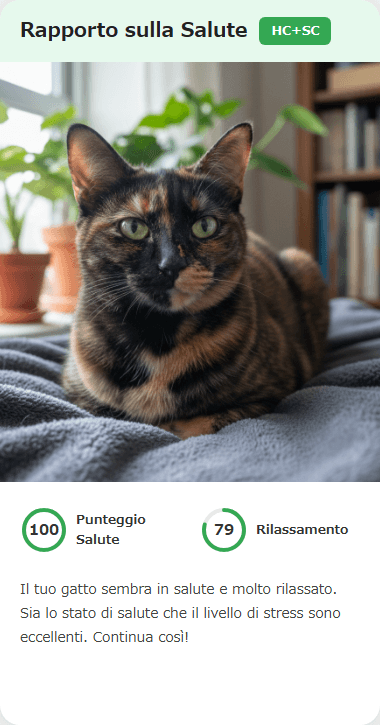

Questi sintomi ti preoccupano?
Non restare nel dubbio. L'IA di CatsMe analizza la foto del tuo gatto e rileva segnali di allarme in pochi secondi.
Oltre 380.000 proprietari di gatti in 50 paesi si affidano a CatsMe


Common Causes of Diarrhea in Cats
The causes of feline diarrhea range from trivial to life-threatening. Grouping them helps you assess urgency.
Diet-related triggers
- Sudden food change — the most common everyday cause. Switching brands or proteins without a gradual transition upsets the gut flora.
- Dietary indiscretion — eating table scraps, garbage, or non-food items.
- Food allergy or intolerance — proteins like beef, fish, or dairy can trigger chronic loose stools.
- Overeating — too much food at once overwhelms the digestive tract.
Infections
- Viruses — feline panleukopenia (parvovirus) is the most dangerous, causing severe watery diarrhea in unvaccinated cats.
- Bacteria — Salmonella, Campylobacter, and Clostridium can produce acute diarrhea, sometimes with blood.
- Parasites — roundworms, tapeworms, giardia, and coccidia are common in kittens and outdoor cats.
Chronic and systemic causes
- Stress — new environments, multi-cat tension, or owner absence.
- Inflammatory bowel disease (IBD) — chronic immune-mediated intestinal inflammation.
- Hyperthyroidism — accelerated metabolism causes rapid transit diarrhea, especially in seniors.
- Pancreatitis — inflammation of the pancreas often triggers both vomiting and diarrhea.
- Intestinal tumors — lymphoma and adenocarcinoma can disrupt normal absorption.
Home Treatment vs. Vet Visit: How to Decide
When home monitoring is reasonable
- The stool is slightly soft but formed, and your cat is otherwise eating, drinking, and active.
- You recently switched food — go back to the old diet or slow the transition to a 7–10 day gradual mix.
- There were one or two loose stools that resolved on their own.
When you should see a vet
- Diarrhea has persisted for three days or more, even if the cat seems fine otherwise.
- Blood in the stool — bright red (from the lower GI tract) or black, tarry stool (from upper GI bleeding) both need prompt evaluation.
- Vomiting and diarrhea together — this combination causes rapid fluid loss and can lead to dehydration shock.
- Appetite loss or lethargy — signs that the cat's body is struggling.
- Signs of dehydration — pinch the skin over the shoulder blades; if it does not snap back immediately, the cat is dehydrated. Dry, tacky gums are another warning sign.
- Any diarrhea in kittens or senior cats — their margin of safety is slim.
Document stool color, consistency, and frequency, and photograph the litter box. This information is invaluable during an online or in-person veterinary consultation.
Home Care & When You Can Wait: Diet and Supportive Tips
If the diarrhea is mild — soft but still partially formed stool — and your cat is eating, drinking, and behaving normally, you can provide supportive care at home for 24–48 hours.
Dietary management
- Switch temporarily to a bland, easily digestible diet: boiled boneless chicken breast (no seasoning) mixed with a small amount of plain pumpkin puree (not pie filling) is a classic home remedy. Veterinary gastrointestinal diets (Hill's i/d, Royal Canin GI) are even better.
- Feed small, frequent meals — three to four portions a day rather than one or two large ones.
- Warm the food slightly to make it more aromatic and appealing.
- Avoid dairy. Most adult cats are lactose-intolerant, and milk will make diarrhea worse.
Hydration
- Keep fresh water available at all times in multiple locations.
- Add water or low-sodium chicken broth to food to increase fluid intake.
- For moderate dehydration, an unflavored pediatric electrolyte solution (Pedialyte) can be offered in small amounts — but check with your vet first.
Probiotics
- Feline-specific probiotics (FortiFlora, Proviable) can help restore healthy gut bacteria after a bout of diarrhea.
- Use only veterinarian-recommended products — human probiotics may not contain the strains cats need.
If there is no improvement within 24 hours, or if new symptoms appear, transition from home care to a veterinary consultation.
What the Vet Will Do: Tests, Diagnosis & Costs
When diarrhea warrants a clinic visit, here is what the diagnostic process typically looks like.
Fecal examination (¥2,000–¥5,000 / $15–$40). The most fundamental test. A stool sample is examined under a microscope for parasite eggs, protozoa (Giardia, Coccidia), and abnormal bacteria. Fecal antigen tests add sensitivity.
Blood work (¥5,000–¥15,000 / $40–$120). A CBC and chemistry panel assess dehydration severity, white blood cell response (infection vs. inflammation), and organ function — especially the pancreas (fPLI test for pancreatitis) and kidneys.
Imaging — X-rays and ultrasound (¥5,000–¥15,000 / $40–$120). Radiographs detect foreign bodies and gas patterns that suggest obstruction. Ultrasound evaluates intestinal wall thickness (thickened walls point to IBD or lymphoma) and checks for free abdominal fluid.
PCR testing (¥5,000–¥10,000 / $40–$80). Polymerase chain reaction tests can identify specific pathogens — panleukopenia virus, Tritrichomonas, or Clostridium — with high accuracy.
Endoscopy and biopsy (¥30,000–¥80,000 / $250–$650). For chronic diarrhea unresponsive to dietary management, endoscopy with intestinal biopsies provides a definitive diagnosis of IBD vs. lymphoma. General anesthesia is required.
Budget ¥10,000–¥30,000 for an acute diarrhea workup. Chronic cases requiring imaging, PCR, and endoscopy may reach ¥50,000–¥100,000.
Age-Specific Considerations: Kittens vs. Senior Cats
The risk profile and most probable causes of diarrhea shift with your cat's life stage.
Kittens (under 1 year)
Intestinal parasites (roundworms, coccidia, giardia) are the number-one cause of diarrhea in kittens and are easily treatable once identified. Far more dangerous is feline panleukopenia (parvovirus), which causes severe, often bloody diarrhea and has a high fatality rate in unvaccinated kittens. Dehydration progresses in kittens within hours, not days — so even a single day of watery diarrhea in a kitten should prompt a vet visit. Core vaccinations are the best prevention.
Adult cats (1–6 years)
Diet-related and stress-related diarrhea are the most common culprits. Food allergies and inflammatory bowel disease (IBD) frequently emerge in this age range, presenting as intermittent diarrhea that worsens over months. Chronic diarrhea combined with vomiting and weight loss in an adult cat may signal "triaditis" — simultaneous inflammation of the intestines, pancreas, and liver.
Senior cats (7+ years)
Hyperthyroidism accelerates gut motility, producing frequent, voluminous diarrhea. Gastrointestinal lymphoma is a major cause of chronic diarrhea and progressive weight loss in older cats and requires biopsy for definitive diagnosis. Kidney disease can also impair digestion. Regular fecal exams and blood panels (at least twice yearly) are essential for early detection in seniors.
Prevention & Long-Term Management
Most causes of acute diarrhea are preventable, and even chronic conditions can be well managed with the right habits.
Dietary discipline
- Always transition foods over 7–10 days. Mix increasing proportions of the new food into the old — rushing this process is the single most common cause of diet-related diarrhea.
- If food allergy is suspected, work with your vet to run a strict elimination diet trial (typically 8–12 weeks on a novel protein or hydrolyzed diet).
- Avoid giving human food, especially dairy, raw meat, and fatty table scraps.
Infection prevention
- Deworm regularly — at least twice a year for indoor cats, quarterly for those with outdoor access.
- Keep core vaccinations up to date, especially panleukopenia in kittens.
- In multi-cat households, provide one litter box per cat plus one extra, and scoop daily. Shared, dirty litter boxes are a major transmission route for parasites.
Stress reduction
- Introduce changes gradually and ensure every cat has access to a safe retreat.
- Pheromone diffusers (Feliway) can lower gut-disrupting anxiety.
Ongoing monitoring
- Annual fecal exams (twice yearly for seniors) catch parasites before they cause symptoms.
- For cats with chronic IBD or sensitive stomachs, long-term management on a veterinary therapeutic diet — combined with periodic probiotic courses — can maintain remission and quality of life.
- Track stool quality over time. If you notice a gradual softening trend, consult your vet before it becomes full-blown diarrhea.
Sapresti rispondere "da quando sta così?"
Quando il veterinario chiede, non restare senza risposta. CatsMe registra automaticamente i punteggi di salute giornalieri che puoi condividere con un tocco.
下痢軟便消化器猫の病気
Related Symptoms
FAQ
 CatsMe
Sii pronto ad agire nel momento in cui senti che qualcosa non va
Basta una foto: l'IA legge dolore e condizioni di salute dall'espressione del tuo gatto. Controlla nel momento in cui ti preoccupi e condividi il diario con il veterinario.