

The Bottom Line: If Your Cat Hasn't Eaten in 24 Hours, Call the Vet
A cat that refuses food for more than 24 hours needs veterinary attention — full stop. Unlike dogs, cats are uniquely vulnerable to a life-threatening liver condition called hepatic lipidosis (fatty liver disease) when they stop eating. In overweight cats, this process can begin within as few as two to three days of fasting, as the body floods the liver with fat reserves it cannot process quickly enough.
Kittens and senior cats have even less margin for error. A kitten under six months old can become hypoglycemic within 12 hours of not eating, while an older cat's kidneys and other organs may already be compromised, making any period of anorexia more dangerous. The tricky part is that cats are masters of hiding illness — by the time a cat visibly refuses food, the underlying problem may have been developing for days or weeks. Whether the cause turns out to be stress, dental pain, gastrointestinal disease, or something more serious, identifying the reason early gives your vet the widest range of treatment options and your cat the best chance of a quick recovery.
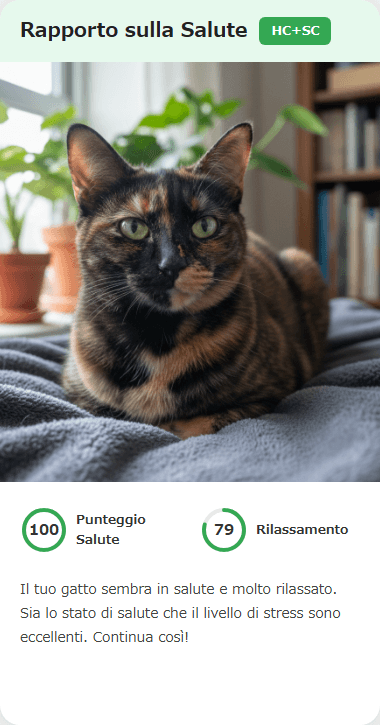

Questi sintomi ti preoccupano?
Non restare nel dubbio. L'IA di CatsMe analizza la foto del tuo gatto e rileva segnali di allarme in pochi secondi.
Oltre 380.000 proprietari di gatti in 50 paesi si affidano a CatsMe


Common Causes of Appetite Loss in Cats
Appetite loss in cats is a symptom, not a disease — and the list of possible triggers is long. Understanding the main categories helps you narrow down what might be going on.
Stress and environmental change. Cats are creatures of routine. A house move, a new baby or pet, construction noise, rearranged furniture, or even a new brand of litter can trigger enough anxiety to suppress appetite for a day or two.
Oral and dental problems. Periodontal disease, stomatitis (severe mouth inflammation), broken teeth, and oral tumors all cause pain that makes eating excruciating. A cat pawing at its mouth, drooling, or dropping food may be signaling dental distress.
Gastrointestinal issues. Gastroenteritis, constipation, inflammatory bowel disease (IBD), hairball blockages, and pancreatitis can all kill appetite. Nausea is a powerful appetite suppressant even when the stomach itself is not the primary problem.
Infections and systemic disease. Upper respiratory infections ("cat flu") block the nose and rob a cat of its sense of smell — and cats choose food largely by scent. Chronic kidney disease, liver disease, diabetes, and hyperthyroidism also commonly suppress appetite.
Food-related factors. A sudden brand switch, stale or spoiled kibble, food served too cold from the refrigerator, or a dirty bowl can all put a cat off its meal.
Home Remedies to Encourage Your Cat to Eat
Before rushing to the clinic for a single skipped meal, there are several evidence-based strategies you can try at home. Start by observing your cat carefully — is it interested in food but walking away, or ignoring the bowl entirely?
1. Warm the food. Gently heating wet food to just below body temperature (around 35 °C / 95 °F) releases aromas that stimulate a cat's appetite. A few seconds in the microwave, stirred well to eliminate hot spots, often does the trick.
2. Create a calm feeding environment. Move the food bowl to a quiet, low-traffic area away from the litter box and other pets. Some cats prefer to eat alone and will refuse food if they feel watched or crowded.
3. Offer variety. Try a different protein source — fish instead of chicken, for example — or switch between wet and dry textures. A small amount of low-sodium chicken broth drizzled over kibble can be very enticing.
4. Address stress triggers. If there has been a recent change — a new pet, a visitor, renovation work — try to restore normalcy. Pheromone diffusers (Feliway) can help reduce anxiety-driven appetite loss.
5. Monitor hydration. Even if your cat is not eating, make sure it is still drinking. Dehydration on top of fasting accelerates the risk of hepatic lipidosis. A water fountain or multiple water stations around the house can encourage drinking.
If these steps do not produce results within 12–24 hours, or if your cat shows any additional symptoms like vomiting or lethargy, move to a veterinary consultation.
When to See the Vet: Red Flags You Shouldn't Ignore
Home care has its limits. Seek veterinary help promptly if you notice any of the following alongside your cat's refusal to eat:
- No food intake for 24 hours or more. For kittens under six months and senior cats, the threshold is even lower — 12 hours of complete anorexia warrants a call.
- Vomiting or diarrhea accompanying the appetite loss, which accelerates dehydration.
- Visible lethargy or depression — your cat is hiding, unresponsive to play, or reluctant to move.
- Rapid weight loss — even a few hundred grams in a week is significant for a 4 kg cat.
- Drooling or foul breath, which may indicate severe dental disease or an oral mass.
- Labored breathing — open-mouth breathing in cats is almost always an emergency.
If you are on the fence — "Should I wait another day?" — the safest move is an online veterinary consultation. Carelogy lets you describe the situation, share photos, and get a professional opinion without the stress of transporting your cat. A vet can tell you within minutes whether watchful waiting is reasonable or an in-person visit is needed today.
What the Vet Will Do: Tests, Diagnosis & Costs
When you bring a cat in for appetite loss, the vet follows a systematic approach to identify the cause.
History and physical examination. The vet will ask when the cat last ate normally, whether there are other symptoms (vomiting, diarrhea, sneezing), and whether anything changed recently in the environment. The physical exam includes checking body temperature, weight, hydration status, oral cavity (looking for dental disease or ulcers), and abdominal palpation.
Blood work (¥5,000–¥15,000 / $40–$120). A complete blood count and biochemistry panel reveal kidney and liver values, blood glucose, electrolytes, and white blood cell counts. This is the single most informative test for a cat that is not eating.
Urinalysis (¥2,000–¥5,000 / $15–$40). Urine specific gravity shows how well the kidneys are concentrating urine, and the test screens for urinary tract infections.
Imaging — X-rays and ultrasound (¥5,000–¥15,000 / $40–$120). Radiographs can detect foreign bodies, intestinal obstruction, and obvious masses. Ultrasound provides a more detailed view of organ structure and is especially useful for evaluating the liver, pancreas, and intestinal wall thickness.
In many cases, the initial workup pinpoints the cause and treatment can begin the same day. If advanced diagnostics (endoscopy, biopsies, CT scan) are needed, total costs can reach ¥30,000–¥100,000. Pet insurance can significantly reduce out-of-pocket expenses, so it is worth reviewing your coverage before an emergency arises.
Age-Specific Considerations: Kittens vs. Senior Cats
A cat's age dramatically changes both the urgency and the likely cause of appetite loss.
Kittens (under 1 year)
Kittens have minimal fat stores and very high metabolic demands. A kitten that has not eaten for 12 hours is at real risk of hypoglycemia — low blood sugar that can cause weakness, seizures, and even collapse. Common causes of appetite loss in kittens include intestinal parasites, upper respiratory infections that block the sense of smell, and the stress of weaning or rehoming. Even if the kitten still seems playful, contact your vet if food refusal lasts beyond half a day.
Adult cats (1–6 years)
Stress and environmental disruption are the top triggers in otherwise healthy adults. Dental disease also becomes increasingly common in this age range and can make every bite painful. A critically important point: overweight adult cats are at the highest risk for hepatic lipidosis if they stop eating. A pudgy cat skipping meals might look like "dieting," but the liver may already be under dangerous strain.
Senior cats (7+ years)
Chronic kidney disease is the number-one cause of gradual appetite decline in older cats, affecting roughly 30 % of cats over 15. Hyperthyroidism presents differently — these cats often eat ravenously yet still lose weight. Oral tumors and gastrointestinal lymphoma become more common with advancing age. For any senior cat, appetite loss lasting more than a day should trigger blood work to catch these conditions early.
Prevention & Long-Term Management
Preventing appetite loss entirely is impossible, but these habits help you catch problems early and reduce the most common triggers.
Smart feeding practices
- Switch foods gradually over seven to ten days — abrupt changes upset the gut and confuse picky eaters alike.
- Store kibble in an airtight container and discard food that has been sitting in the bowl for more than a few hours, especially in warm weather.
- Wash bowls daily. Use stainless steel or ceramic — plastic absorbs odors that cats may find off-putting.
Dental maintenance
- Schedule an annual dental exam. Dental disease is one of the most preventable causes of appetite loss.
- If your cat tolerates it, daily tooth brushing with a feline-safe paste is the gold standard. Dental treats and water additives are good supplements but not complete substitutes.
Stress reduction
- Introduce changes — new pets, furniture moves, house guests — gradually, and always ensure your cat has access to a quiet hiding spot.
- Pheromone diffusers (Feliway) can lower background anxiety.
- In multi-cat households, provide separate feeding stations so no cat feels pressured.
Routine health monitoring
- Annual blood work for adult cats, twice-yearly panels for seniors. Many conditions that suppress appetite — kidney disease, diabetes, liver problems — are detectable through blood tests long before clinical signs appear.
- Use the CatsMe app to photograph your cat's face daily. Its AI can detect subtle changes in expression associated with pain and discomfort, giving you an early alert before appetite drops.
The single most important prevention strategy is awareness: know your cat's normal eating pattern, weigh it monthly, and never dismiss a change in appetite as "just being fussy."
Sapresti rispondere "da quando sta così?"
Quando il veterinario chiede, non restare senza risposta. CatsMe registra automaticamente i punteggi di salute giornalieri che puoi condividere con un tocco.
食欲不振食べない猫の病気獣医師相談
Related Symptoms
FAQ
 CatsMe
Sii pronto ad agire nel momento in cui senti che qualcosa non va
Basta una foto: l'IA legge dolore e condizioni di salute dall'espressione del tuo gatto. Controlla nel momento in cui ti preoccupi e condividi il diario con il veterinario.