

Key Takeaway: Spay/Neuter Surgery Resolves Nearly 100% of Heat-Related Behavior Problems
A cat's heat cycle is extremely stressful for owners. Nighttime yowling, spraying, escape attempts — these are all normal reproductive behaviors, but spay/neuter surgery is the best solution for indoor cats.
Female heat cycle:
- First heat: 4-12 months old (some as early as 4 months)
- Duration: About 4-10 days per cycle
- Frequency: Repeats every 2-3 weeks if not mated
- Breeding season: Longer daylight months (Feb-Sep; indoor cats may cycle year-round)
Male sexual maturity:
- Reaches maturity at 5-12 months
- Behavior changes in response to female pheromones
- Spraying behavior (urine marking) begins
Risks of not spaying/neutering:
- Females: Pyometra (50%+ mortality), mammary tumors
- Males: Prostate disease, testicular tumors, FIV infection from fighting
- Both: Escape → traffic accidents, unwanted pregnancy → shelter euthanasia
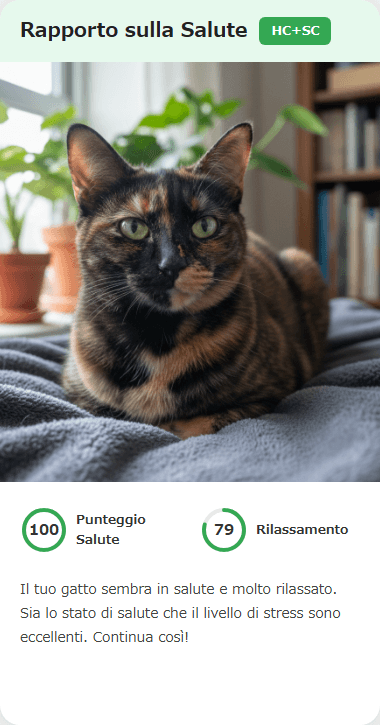

Il compagno quotidiano del tuo gatto
Promemoria per la cura, andamento del peso e routine di salute: CatsMe gestisce tutto in un'unica app.
Oltre 380.000 proprietari di gatti in 50 paesi si affidano a CatsMe


Heat Behavior: How to Recognize the Signs
Female heat signs:
| Behavior | Details | Frequency |
|----------|---------|----------|
| Loud vocalization | Distinctive low, prolonged yowling. Worst at night | ★★★★★ |
| Rolling | Rolling on floor, writhing | ★★★★☆ |
| Lordosis | Raising hindquarters with arched back | ★★★★☆ |
| Excessive rubbing | Intensely rubbing against people/furniture | ★★★★☆ |
| Appetite changes | Often decreased appetite | ★★★☆☆ |
| Escape attempts | Fixation on doors/windows, trying to get outside | ★★★☆☆ |
| Inappropriate urination | Pheromone-laced urine in various locations | ★★☆☆☆ |
Male reactions (when a female in heat is nearby):
- Spraying behavior (urine marking on vertical surfaces)
- Increased aggression
- Loud vocalizing
- Escape attempts
- Decreased appetite
Distinguishing heat from illness:
- Heat occurs cyclically (every 2-3 weeks)
- Frequent urination or blood in urine suggests FLUTD
- Heat resolves in days; illness persists
Managing Heat Behavior (Temporary Measures Before Surgery)
Spay surgery is the best solution, but here's how to cope until then.
Managing vocalization:
- Don't over-respond: Reacting to every yowl teaches "yowling gets attention"
- Distract with play: Tire them out with vigorous play sessions
- Create a calming environment: Warm room, hiding spots
- Feliway (synthetic pheromone): Some calming effect (varies by individual)
Spraying/marking solutions:
- Use enzymatic cleaners to completely remove odor
- Place aluminum foil on commonly marked surfaces
- Add more litter boxes
Escape prevention:
- Double-lock doors and windows
- Install escape-prevention gates at entrances
- Don't open windows during heat (some cats tear through screens)
What NOT to do:
- ❌ Stimulate with a cotton swab (found online but absolutely dangerous — infection risk)
- ❌ Scold the cat (worsens stress, causes behavior problems)
- ❌ Let them outside (pregnancy, accident, infection risks)
Use CatsMe to log daily behavior patterns and track heat cycles. Predict the next cycle and prepare in advance.
Optimal Spay/Neuter Timing & Costs
Recommended surgery timing:
| Condition | Recommended timing | Reason |
|-----------|-------------------|--------|
| Female (general) | 5-6 months old | Before first heat is ideal. Maximally reduces mammary tumor risk |
| Female (in heat) | 1-2 weeks after heat subsides | Blood vessels enlarge during heat, increasing bleeding risk |
| Male | 5-6 months old | Before spraying behavior becomes established |
| Senior cats | Any age | Safe with thorough pre-anesthetic testing |
Surgery cost estimates:
- Female (spay/ovariohysterectomy): ¥15,000-40,000
- Male (neuter/orchiectomy): ¥10,000-25,000
- Pre-surgery tests (blood work + X-ray): ¥5,000-15,000
- Hospitalization (females typically 1 night): ¥3,000-5,000
Subsidies: Many municipalities offer spay/neuter subsidies (¥5,000-20,000). Check with your local government.
Post-surgery care:
- E-collar for 7-10 days
- Restrict vigorous activity for 2 weeks
- See our post-surgery care guide
- Increased appetite + decreased metabolism leads to weight gain — weight management is important
Home Care & Practical Tips: Living with a Cat in Heat
Until spay surgery can be scheduled, these practical strategies help make life more manageable for both you and your cat during heat cycles.
Managing vocalization:
- Engage in active play during the day (15-20 minutes, 2-3 times daily) — physical exhaustion reduces nighttime yowling significantly
- Install Feliway diffusers (synthetic feline pheromone) in the areas where your cat spends the most time
- Place a warm hot water bottle or heated pad in your cat's bed — the warmth provides a sense of comfort and security
- Provide a dark, quiet room for retreat, as cats in heat become hypersensitive to stimulation
- Never punish your cat for heat-related behavior — scolding has zero effectiveness and only increases stress for both of you
Addressing spraying behavior:
- Use enzymatic cleaners to completely eliminate urine odor from sprayed surfaces (regular household cleaners do not fully neutralize the scent, which encourages re-marking)
- Place aluminum foil on frequently targeted surfaces — most cats dislike the texture and will avoid stepping on it
- Add extra litter boxes to reduce territorial stress
- Protect furniture with washable covers during active heat periods
Escape prevention is critical:
Cats in heat experience a powerful instinctive drive to find a mate, and will actively look for escape routes they normally ignore.
- Secure all windows with screens or locks — check even windows that are not normally opened
- Verify your cat is not near the door before opening it for entry or exit
- Block all access to balconies and patios completely
- Isolate the cat in a separate room when visitors arrive
- Ensure your cat has a microchip and collar with current contact information
Nutrition and hydration during heat:
- Appetite commonly decreases during estrus — increase the proportion of wet food to maintain caloric intake
- Watch for reduced water consumption — consider a water fountain to encourage drinking
- Consult your veterinarian if weight loss becomes significant
Track heat cycles with CatsMe:
Log the start date, duration, and behavioral changes of each heat cycle in CatsMe. This information helps your veterinarian determine the optimal timing for spay surgery (ideally 1-2 weeks after heat subsides).
What the Vet Will Do: Spay/Neuter Surgery Process
Spay and neuter surgeries are among the most commonly performed veterinary procedures, but understanding the process helps you prepare and provide optimal post-surgical care.
Pre-surgery preparation:
- Pre-surgical fasting: Withhold food from the evening before surgery (water may be allowed until morning — follow your veterinarian's specific instructions)
- Pre-surgical testing: Blood work to verify liver and kidney function can handle anesthesia, plus cardiac auscultation for heart murmurs
- Senior cats should also receive chest X-rays and ECG to evaluate anesthetic risk
Surgery day timeline:
1. Morning admission and intake examination
2. Pre-anesthetic sedation administered → general anesthesia induced
3. Endotracheal tube placed → anesthesia maintained with gas
4. Female (spay): 2-3 cm abdominal incision → ovaries and uterus removed → closure with sutures (30-60 minutes)
5. Male (neuter): Small scrotal incision → testes removed (15-30 minutes)
6. Anesthesia recovery and post-operative monitoring
7. Discharge same evening or following day (females typically stay overnight)
Post-surgery home care essentials:
- Keep the Elizabethan collar on for 7-10 days to prevent licking the incision site
- Restrict vigorous activity and jumping for 2 full weeks
- Check the incision site daily for signs of redness, swelling, or discharge
- Suture removal at 7-14 days (absorbable sutures do not require removal)
- See our post-surgery care guide for detailed instructions
Warning signs requiring veterinary contact:
- Bleeding or discharge from the incision site
- Appetite has not returned by the day after surgery
- Lethargy and reduced responsiveness persisting beyond 24 hours post-surgery
- Ongoing vomiting or diarrhea
Use CatsMe to document daily recovery progress, and contact your veterinarian immediately with photos if anything appears abnormal.
Age-Specific Considerations for Heat Cycles and Surgery
The timing of spay/neuter surgery and heat cycle management requires different considerations depending on your cat's age.
4-5 months old (early spay consideration):
- Cats can come into heat as early as 4 months of age, particularly indoor cats exposed to extended daylight conditions
- Early spay/neuter surgery (8-16 weeks) is widely adopted by animal welfare organizations worldwide
- Research has found no long-term health risks associated with early-age surgery
- Mammary cancer prevention benefit is maximized when surgery occurs before the first heat cycle (91% risk reduction)
5-7 months old (optimal standard timing):
- This is the standard timing recommended by most veterinarians for routine spay/neuter procedures
- Completing surgery before the first heat cycle is the ideal scenario
- Surgery is safe once body weight is sufficient (typically over 2 kg)
- Coordinate timing with the vaccination schedule for efficiency
Over 1 year (adult cat surgery):
- Surgery is feasible at any age — it is never too late to spay or neuter
- If the cat is currently in heat, wait 1-2 weeks after heat subsides to reduce surgical bleeding risk
- Male cats that have sprayed for an extended period may retain the behavior even after neutering (approximately 10% of cases)
- Behavioral therapy may be needed in addition to surgery for established habits
Senior cats (7+ years):
- Surgery is strongly recommended for unspayed senior cats to prevent pyometra, a life-threatening uterine infection
- Pre-surgical workup is more extensive — comprehensive blood work, chest radiographs, and cardiac ultrasound should be performed
- Anesthetic risk increases with age, but is manageable in cats without significant pre-existing conditions
- Include hyperthyroidism screening in the pre-surgical evaluation
Pregnant cats:
- Spay surgery during pregnancy (including pregnancy termination) is possible but carries increased bleeding risk
- Early to mid-pregnancy is the safest window if the procedure is deemed necessary
- Ethical decisions should be discussed between the owner and veterinarian on an individual basis
Choosing Not to Spay/Neuter: Long-Term Consequences
Understand the long-term consequences of not spaying/neutering cats that aren't intended for breeding.
Female risks:
- Pyometra: Affects ~25% of unspayed senior cats. Over 50% mortality emergency
- Mammary tumors: ~85% of feline mammary tumors are malignant. Pre-first-heat surgery reduces incidence by 91%
- Unwanted pregnancy: Cats can have 2-8 kittens per litter, 2-3 litters per year — our pregnancy and birth guide covers what to expect
- Chronic heat stress: Repeated heats without mating causes ongoing stress
Male risks:
- Established spraying: Long-term spraying may persist even after neutering
- Aggression: Testosterone-driven behavior becomes a behavior problem
- Escape/fighting: Injury from outdoor encounters, FIV/FeLV infection risk
- Strong urine odor: Intact male urine has an extremely pungent smell
The "natural is better" misconception:
For indoor cats, repeated heat cycles without mating is not natural — it's stressful. Spay/neuter surgery improves quality of life.
Compare health scores before and after surgery with CatsMe. Many owners are amazed by their cat's calmness post-surgery.
Sapresti rispondere "da quando sta così?"
Quando il veterinario chiede, non restare senza risposta. CatsMe registra automaticamente i punteggi di salute giornalieri che puoi condividere con un tocco.
発情期避妊手術去勢手術鳴き声スプレー繁殖
FAQ
 CatsMe
Sii pronto ad agire nel momento in cui senti che qualcosa non va
Basta una foto: l'IA legge dolore e condizioni di salute dall'espressione del tuo gatto. Controlla nel momento in cui ti preoccupi e condividi il diario con il veterinario.