

Signs & Causes of Cat Constipation
A healthy cat typically has one to two bowel movements per day. If your cat hasn't defecated in more than two days, strains in the litter box, or produces only small, hard stools, constipation may be the cause.
Signs of Constipation
- Prolonged straining in the litter box with little or no result
- Small, hard, or dry stools
- Crying out during attempts to defecate
- Decreased appetite or vomiting
- A firm, palpable mass in the abdomen
- Small amounts of liquid stool outside the litter box (paradoxical diarrhea)
Common Causes
- Dehydration: A dry-food-heavy diet or insufficient water intake
- Hairballs: Hairball accumulation in the digestive tract
- Lack of exercise: Especially common in indoor cats
- Stress: Environmental changes or litter box dissatisfaction
- Underlying disease: Dehydration from kidney disease, hypothyroidism, or neurological conditions
- Medication side effects: Certain pain medications or anesthetics
- Aging: Senior cats are prone to reduced intestinal motility
Senior cats are especially at risk for chronic constipation, which can progress to megacolon — a serious and potentially life-threatening condition — if left untreated.
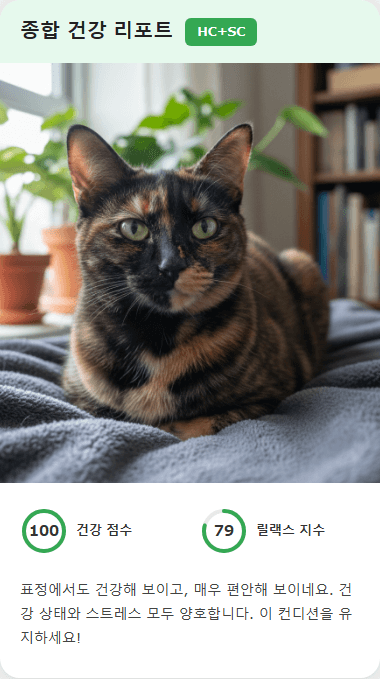

이런 증상, 혹시 걱정되시나요?
혼자 고민하지 마세요. CatsMe의 AI가 고양이 사진을 분석해 건강 이상 신호를 몇 초 만에 알려드립니다.
50개국 380,000명 이상의 보호자가 사용 중


Home Remedies for Cat Constipation
For mild constipation, the following home strategies can be effective.
Dietary Improvements
- Switch to primarily wet food to boost moisture intake
- Choose food with moderate fiber content (mixing in a small amount of plain pumpkin puree also works well)
- Encourage drinking by making water stations more appealing
Encouraging Exercise
- Ensure 15-20 minutes of daily play
- Cat trees and stair climbing help stimulate intestinal motility
Environmental Adjustments
- Keep the litter box clean (some cats will hold it rather than use a dirty box)
- The ideal number of litter boxes is one per cat plus one extra
- Place litter boxes in quiet, comfortable locations
Supplements
- Lactulose for cats (use under veterinary guidance)
- Hairball remedy paste (for hairball-related constipation)
- Probiotics (to improve gut health)
Warning: Never use human laxatives on your cat — they may contain ingredients that are toxic to felines.
When to See a Vet & Treatment Options
See your veterinarian promptly if any of the following apply.
See a Vet Right Away
- No bowel movement in 3+ days
- Intense straining with vocalization while trying to defecate
- Repeated vomiting
- A distended, firm abdomen
- Loss of appetite and lethargy
Veterinary Treatments
1. Enema: A warm saline enema softens and helps expel impacted stool. Never use over-the-counter enemas at home — some contain phosphate solutions that are fatal to cats.
2. Manual de-obstipation: Under anesthesia, the vet manually removes hardened stool. This is reserved for severe cases.
3. Fluid therapy: Subcutaneous fluids rehydrate the body and help soften stool.
4. Medications: Lactulose or other stool softeners, plus prokinetic drugs to stimulate gut motility.
5. Dietary therapy: Switching to a gastrointestinal-support prescription diet.
Recurrent constipation warrants testing for underlying conditions (blood work, X-rays, ultrasound). If chronic constipation progresses to megacolon, surgical intervention may become necessary, so early management is key.
Step-by-Step Guide to Relieving Cat Constipation
Helping a constipated cat requires a systematic approach. Follow the steps below to work through the problem methodically and know when professional help is needed.
Step 1: Assess the Situation
Document how often your cat visits the litter box, the firmness and size of any stools produced, and any visible straining. Note when constipation first appeared and when the last normal bowel movement occurred. This log is invaluable when you speak with your veterinarian.
Step 2: Boost Water Intake
Switch to wet food as the primary diet, or at least add a splash of lukewarm water to dry kibble. Place water fountains in several locations around the house so fresh water is always within easy reach. Cats that move to a moisture-rich diet often see improvement within a day or two.
Step 3: Introduce Fiber Gradually
Mix about one teaspoon of cooked plain pumpkin (no salt, no sugar) into each meal. Commercial hairball remedy pastes can also lubricate the digestive tract. Soluble fiber supplements such as psyllium may be used under veterinary guidance to add bulk and draw water into the stool.
Step 4: Encourage Physical Activity
Schedule 15 to 20 minutes of active play every day to stimulate intestinal peristalsis. Climbing cat trees or chasing wand toys keeps the gut moving more effectively than a sedentary lifestyle allows.
Step 5: Monitor and Record
If there is no improvement within 48 hours of starting these measures, visit the vet without further delay. Keeping a simple stool diary — noting frequency, volume, and consistency — helps catch chronic patterns early and gives your veterinarian actionable data at every checkup.
Common Mistakes When Dealing with Cat Constipation
Well-meaning owners sometimes make mistakes that worsen constipation or put their cat at risk. Knowing what to avoid is just as important as knowing what to do.
Mistake 1: Using Human Laxatives or Enemas
Sodium phosphate found in human enemas can cause fatal hyperphosphatemia in cats. Over-the-counter laxatives formulated for people may also contain ingredients toxic to felines. Always use cat-specific products under veterinary direction.
Mistake 2: Force-Feeding Water with a Syringe
Squirting water into a cat's mouth with a syringe carries a real risk of aspiration into the lungs. Instead, increase fluid intake naturally through wet food and by making water stations more appealing.
Mistake 3: Offering Olive Oil or Cow's Milk
Oil given orally can lead to lipoid aspiration pneumonia, and cow's milk triggers diarrhea in most cats due to lactose intolerance. Stick to veterinarian-approved methods for boosting hydration and fiber.
Mistake 4: Massaging the Abdomen
Pressing firmly on a cat's belly when stool is impacted can injure the intestinal wall. This is especially dangerous if a bowel obstruction is suspected. Leave abdominal palpation to your veterinarian.
Mistake 5: Waiting Too Long
If your cat has not produced a bowel movement in three or more days, see the vet promptly. The longer impacted stool sits in the colon, the more water it loses and the harder it becomes to pass, creating a cycle that is increasingly difficult to break without medical intervention.
Prevention & Long-Term Management of Cat Constipation
Preventing constipation from recurring is far easier than treating it once it has set in. Building a few sustainable habits into your daily routine can keep your cat's digestive system running smoothly for years.
Dietary Ground Rules
Make wet food at least 50 percent of your cat's daily diet to maintain adequate hydration from the food itself. Choose formulas that contain moderate fiber levels and always transition between foods gradually over one to two weeks to avoid digestive upset. For senior cats, prioritize easily digestible formulations that are gentle on an aging gut.
Make Hydration a Habit
Invest in a water fountain and set up at least two or three water stations around the home. Ceramic and stainless-steel bowls tend to be preferred over plastic. Replace the water daily and clean the bowls regularly to keep the water fresh and inviting.
Daily Exercise
Never skip daily playtime. Cat trees, tunnel toys, and wand teasers encourage movement that naturally stimulates intestinal peristalsis. A sedentary lifestyle is one of the most overlooked contributors to feline constipation.
Optimize the Litter Box Setup
Some cats refuse to defecate in a dirty litter box, leading to stool retention that hardens over time. Follow the one box per cat plus one extra rule, scoop daily, and position boxes in quiet, low-traffic areas where the cat feels safe.
Leverage Routine Vet Visits
Use regular health checkups to monitor kidney function and thyroid levels. Catching underlying diseases early is the single most effective way to prevent chronic constipation from developing in the first place.
When to See a Vet: A Detailed Guide for Constipation
Mild constipation can often be resolved at home, but certain warning signs mean you should head to the veterinary clinic without hesitation. Knowing where to draw the line protects your cat from complications that escalate quickly.
High-Urgency Cases
Seek immediate veterinary care if your cat has not passed stool in three or more days and the abdomen feels firm and distended, if there is intense straining accompanied by vocalization, if vomiting occurs repeatedly, if the cat becomes lethargic with persistent appetite loss, or if you see blood or mucus in any stool that is produced.
Cases That Warrant an Early Appointment
Book a non-emergency appointment if constipation recurs more than twice a month, if home remedies have not produced improvement, if this is the first episode in a senior cat, if your cat alternates between constipation and diarrhea, or if weight loss accompanies the digestive issue.
Information to Bring to the Vet
Prepare a brief summary of bowel-movement frequency, the date and time of the last normal stool, a description of stool consistency, the current diet and any supplements in use, and any relevant medical history. Photographing the stool on your phone may seem unpleasant but gives your vet objective diagnostic information.
Ongoing Follow-Up
If your cat is diagnosed with chronic constipation, commit to the follow-up schedule your veterinarian recommends. Proactive, early-stage management is the most reliable way to prevent progression to megacolon, a condition that may ultimately require surgical intervention.
수의사에게 '언제부터 그랬나요?'라고 물으면 답할 수 있으신가요?
수의사 앞에서 막막해하지 마세요. CatsMe가 매일 건강 점수를 자동으로 기록하고, 탭 한 번으로 공유할 수 있습니다.
便秘排便困難巨大結腸症食物繊維
FAQ
 CatsMe
이상을 느꼈을 때, 바로 행동할 준비를
사진 한 장이면 AI가 고양이의 표정에서 통증과 건강 상태를 읽어냅니다. 걱정되는 순간 바로 확인하고, 기록은 수의사와 공유하세요.