

Are Cats Prone to Heatstroke? Understanding Risk Factors
Unlike humans, cats cannot sweat through their skin. They rely almost entirely on paw-pad sweat glands and panting to regulate body temperature, which makes them vulnerable to overheating in hot, humid environments.
Cats at Higher Risk
- Brachycephalic breeds: Persians and Exotic Shorthairs have narrow airways and less efficient panting
- Long-haired breeds: Thick coats trap body heat
- Overweight cats: Fat acts as insulation, making it harder to cool down
- Senior cats and kittens: Thermoregulation is either declining or not fully developed
- Cats with heart disease or respiratory conditions
- Dark-coated cats: Absorb more sunlight
Dangerous Situations
- A closed room without air conditioning
- Being left in a car (lethal in minutes, even on mild days)
- Window sills in direct sunlight
- Extended transport in a carrier
Cats are poor judges of heat danger and instinctively seek sunny spots, so it is the owner's responsibility to manage the environment.
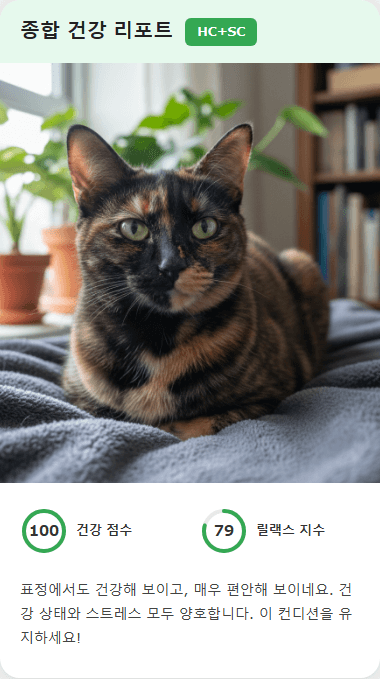

문제가 생기기 전에 미리 발견하세요
매일의 건강 기록이 조기 발견을 가능하게 합니다. CatsMe가 자동으로 변화를 추적해 작은 이상도 놓치지 않습니다.
50개국 380,000명 이상의 보호자가 사용 중


Heatstroke Symptoms & First Aid
Early Symptoms
- Open-mouth breathing and panting
- Excessive drooling
- Restlessness and pacing
- Moist paw pads
- Body feels hot to the touch (rectal temperature above 40°C / 104°F)
Severe Symptoms (Emergency)
- Collapse and inability to move
- Vomiting and diarrhea
- Staggering or inability to walk
- Gums that are dark red or white
- Seizures
- Altered consciousness
First Aid Steps
1. Move the cat to a cool area immediately (an air-conditioned room)
2. Cool the body: Place damp towels on the cat, focusing on the neck, armpits, and inner thighs where large blood vessels run
3. Do not use ice water: Rapid cooling causes blood vessels to constrict, which is counterproductive. Use room-temperature or lukewarm water
4. Offer small sips of water: Do not force-feed water if the cat cannot drink on its own
5. Monitor rectal temperature: Stop active cooling once it drops to 39.5°C (103°F) to avoid hypothermia
6. Get to a vet immediately: Organ damage can develop hours later even after first aid
Important: Heatstroke is a high-mortality emergency. The fatality rate in severe cases is reported at approximately 50%.
Preventing Heatstroke: Temperature Control & Daily Tips
Temperature Control Basics
The ideal room temperature for cats is 25-28°C (77-82°F) with humidity at 50-60%. For summer heat management, follow these guidelines.
- Air conditioning is essential: Keep it running even when you are away — 28°C is sufficient
- Fans alone are not enough: Because cats do not sweat, airflow alone does little to cool them
- Install a thermometer: Place one where your cat typically rests
Daily Prevention Measures
- Set up multiple water stations: Fresh water should always be available
- Blackout curtains: Block direct sunlight with curtains or blinds
- Cooling mats: Place a pet aluminum cooling pad near your cat's bed
- Cool retreat areas: Keep rooms with tile floors or the bathroom accessible so your cat can find cool surfaces
- Wet food: Boosts fluid intake to prevent dehydration
Travel Precautions
- Place a towel-wrapped ice pack in the carrier during transport
- Pre-cool the car with AC before loading your cat for vet visits
- Never leave a cat unattended in a car (summer car interiors can exceed 50°C / 122°F in minutes)
Step-by-Step First Aid Guide for Cat Heatstroke
When heatstroke is suspected, every minute counts. Follow this step-by-step first aid protocol while preparing to transport your cat to the veterinary clinic.
Step 1: Move to a Cool Environment Immediately
Bring the cat into an air-conditioned room. If you are outdoors, move to the nearest shade and ensure adequate airflow around the cat.
Step 2: Begin Active Cooling
Apply towels soaked in room-temperature water (approximately 20-25°C / 68-77°F) to the cat's body. Focus on areas where large blood vessels run close to the skin surface — the neck, armpits, inner thighs, and abdomen.
Critical Warning: Do NOT use ice water or extremely cold water. Rapid surface cooling constricts peripheral blood vessels and paradoxically traps heat inside the body, making the situation worse.
Step 3: Offer Water Cautiously
If the cat is conscious and able to drink on its own, provide small amounts of room-temperature water. If the cat is disoriented or semi-conscious, do not attempt to give water — the aspiration risk is too high.
Step 4: Monitor Body Temperature
If a rectal thermometer is available, take the cat's temperature and record it. Stop active cooling once the temperature drops to 39.5°C (103°F). Over-cooling can lead to hypothermia, which introduces a new set of dangers.
Step 5: Transport to the Vet
Even if first aid appears to stabilize the cat, a veterinary visit is non-negotiable. Organ damage from heatstroke — including kidney failure and disseminated intravascular coagulation (DIC) — can manifest hours after the initial episode. Continue temperature management with damp towels during transit.
Common Mistakes in Heatstroke Prevention & First Aid
Misconceptions about heatstroke lead to delayed prevention and improper first aid. Awareness of these common mistakes can save your cat's life.
Mistake 1: Assuming Indoor Cats Are Safe
A closed room without air conditioning can become hotter than the outdoors. Rooms on upper floors and those with south-facing windows are especially dangerous. Always keep the AC running when you leave the house.
Mistake 2: Relying on Fans Alone
Cats cannot sweat through their skin, so the evaporative cooling effect of a fan is virtually nonexistent for them. Use fans only as a supplement to air conditioning, never as a standalone cooling strategy.
Mistake 3: Using Ice Water for Cooling
Applying ice or ice-cold water to the cat's body constricts surface blood vessels and traps heat internally. Always use room-temperature or lukewarm water for active cooling.
Mistake 4: Skipping the Vet After First Aid
Even if the cat appears to recover after first aid, always visit the veterinary clinic. Dehydration and organ damage are not visible externally and can only be assessed through blood work and clinical examination.
Mistake 5: Over-Reliance on Summer Haircuts
A cat's coat provides insulation against both heat and cold, and also protects the skin from sunburn. Shaving too aggressively exposes the skin to UV damage. Consult a vet or professional groomer before deciding on a trim.
When to See a Vet About Heatstroke
Heatstroke is a high-urgency emergency. If any of the following apply, transport your cat to the veterinary clinic immediately — do not wait to see if the cat improves on its own.
Signs Requiring Emergency Transport
Persistent open-mouth panting that does not subside, collapse or inability to stand, altered consciousness, vomiting or diarrhea, seizures, abnormal gum color (dark red, white, or bluish-purple), or a rectal temperature above 40°C (104°F).
Veterinary Treatment
The veterinary team will administer oxygen, perform aggressive cooling measures, and deliver intravenous fluids to correct dehydration and electrolyte imbalances. Blood work evaluates organ status — particularly kidney and liver function — and screens for signs of disseminated intravascular coagulation (DIC). Hospitalization may be required for severe cases.
Post-Recovery Follow-Up
Even after the cat appears to have recovered, delayed organ damage can occur. Schedule a recheck visit including blood work within one week of discharge to verify that kidney and liver values have returned to normal.
A Word on Fatality Rates
Severe heatstroke carries a reported mortality rate of approximately 50 percent. Early detection and rapid treatment are the strongest determinants of survival. If you notice anything out of the ordinary on a hot day, err on the side of caution and head to the clinic immediately.
Prevention & Long-Term Heat Management for Cats
Preventing heatstroke is far more effective than treating it after the fact. A year-round approach to heat management ensures your cat stays safe even during the most extreme weather.
Pre-Summer Preparation Checklist
Test the air conditioner and clean the filter well before hot weather arrives. Install blackout curtains or UV-blocking film on sun-facing windows. Purchase a pet cooling mat. Set up and clean water fountains. Assess your cat's body condition — obesity significantly increases heatstroke risk.
Daily Temperature Monitoring
Place a thermometer and hygrometer where your cat spends most of its time. Aim for 25-28°C (77-82°F) and 50-60 percent humidity. A smart-home temperature sensor lets you check conditions remotely and receive alerts if the room overheats while you are out.
Extra Care for High-Risk Cats
Brachycephalic breeds like Persians, overweight cats, seniors, and those with heart disease need special attention. Keep their environment slightly cooler (24-26°C / 75-79°F) and actively encourage water consumption with multiple stations and wet food.
Watch the Seasonal Transition
The most dangerous period is the rapid temperature climb from spring into summer. Even before peak summer heat, turn on the air conditioner whenever the outdoor temperature exceeds 30°C (86°F).
Power Outage Preparedness
A summer power outage can be life-threatening for a cat in a closed home. Stockpile reusable ice packs, prepare frozen water bottles, and identify a backup cool location — such as a friend's home or a pet-friendly facility — as part of your emergency plan.
수의사에게 '언제부터 그랬나요?'라고 물으면 답할 수 있으신가요?
수의사 앞에서 막막해하지 마세요. CatsMe가 매일 건강 점수를 자동으로 기록하고, 탭 한 번으로 공유할 수 있습니다.
熱中症夏対策室温管理応急処置脱水
FAQ
 CatsMe
이상을 느꼈을 때, 바로 행동할 준비를
사진 한 장이면 AI가 고양이의 표정에서 통증과 건강 상태를 읽어냅니다. 걱정되는 순간 바로 확인하고, 기록은 수의사와 공유하세요.