

Know Your Cat's Coat Type
Cat coats vary widely by breed, and each type requires its own grooming approach. Start by identifying your cat's coat type.
Shorthair
Coat length under 5 cm. Bengals, Russian Blues, and American Shorthairs are classic examples. Relatively low-maintenance, though shedding increases during coat changes.
Longhair
Coat length 5 cm or more. Persians, Maine Coons, and Norwegian Forest Cats are typical. Tangles form easily, making daily brushing essential.
Curly-Coated (Rex Breeds)
Cornish Rex, Devon Rex, and Selkirk Rex have distinctive curls. Their skin is less protected by fur, making them more sensitive to cold.
Hairless
Sphynx is the most well-known. Not truly bald — covered in fine peach fuzz. Oil management is especially important.
Double Coat vs. Single Coat
Most cats have a double coat with outer guard hairs and a soft undercoat. Single-coated breeds (Siamese, Burmese) tend to shed less.
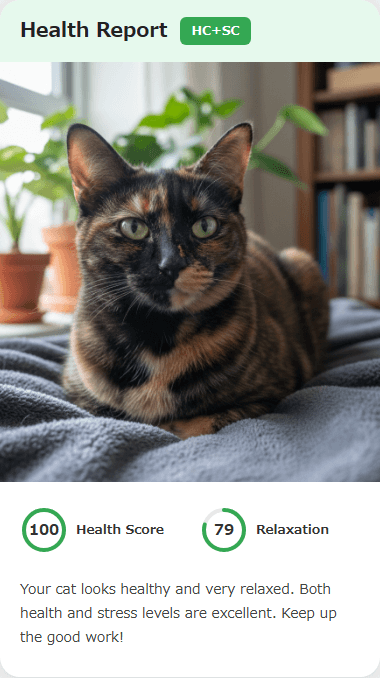

Your cat's daily companion
From grooming reminders to weight trends, CatsMe keeps your cat's care routine on track — all in one app.
Dipercayai oleh lebih 380,000 pemilik kucing di 50 negara


Grooming by Coat Type
Shorthair Care
- Frequency: Brush 1-2 times per week
- Tools: Rubber brush, short-hair slicker brush
- Method: Brush in the direction of hair growth; during shedding season, an undercoat removal tool (like the Furminator) is very effective
- Bathing: Generally unnecessary; only 1-2 times per year if heavily soiled
Longhair Care
- Frequency: Daily brushing is ideal
- Tools: Metal comb, pin brush, slicker brush
- Method: Check for tangles with the comb first, gently tease out mats with your fingers, then brush the entire coat with a slicker
- Problem areas: Armpits, belly, and inner thighs are prone to matting
- Bathing: About once a month; use conditioner to prevent tangles
Curly-Coat Care
- Frequency: Gentle brushing about once a week
- Tools: Soft brush or simply your hands
- Caution: Aggressive brushing damages the curls; use a light touch
Hairless Care
- Oil removal: Weekly baths to remove accumulated skin oils
- Moisturizing: Apply pet-safe moisturizer during dry seasons
- Sun protection: Guard against sunburn from direct UV exposure
- Clothing: Cat-sized garments for warmth in cold weather
Handling Grooming-Resistant Cats & General Tips
Gradual Approach for Reluctant Cats
1. Let the cat sniff the brush and get familiar with it
2. Show the brush while offering treats
3. Lightly brush one area (back) just once or twice, then treat
4. Gradually extend the area and duration
5. Stop immediately if the cat resists; try again another time
What to Check During Grooming
- Skin abnormalities: Redness, flaking, bald patches, lumps
- Fleas and ticks: Look for tiny black specks (flea droppings)
- Mats: Especially check longhairs for matting
- Lumps: Palpate under the skin for any new masses
When to Use a Professional Groomer
If your longhair cat has severe matting or home grooming is just too difficult, enlist a professional. Summer clips (lion cuts) are best left to experts.
General Tips
- Use only cat-specific shampoo (human products cause skin irritation)
- Turn brushing into a bonding ritual your cat looks forward to
- Watch for signs of over-grooming as well
Practical Application: Grooming Adapted to Season & Lifestyle
Grooming frequency and approach should be adjusted according to season and the cat's living environment. A flexible, situation-aware routine keeps coat and skin in optimal condition year-round.
Spring & Summer Grooming (Shedding Season)
Spring and autumn bring shedding seasons when loose fur increases two to three times over normal levels. Even shorthair cats benefit from daily brushing during these periods. Undercoat removal tools such as the Furminator significantly reduce hairball risk. In summer, removing excess undercoat through brushing also helps the cat stay cool and comfortable.
Autumn & Winter Grooming
As the winter coat grows denser, longhair cats become especially prone to matting. Indoor heating dries the air and promotes static electricity — a light mist of cat-safe anti-static spray before brushing prevents the fur from clinging to the brush and reduces discomfort.
Indoor-Only Cats
Cats living exclusively indoors may shed irregularly because temperature and light exposure remain relatively constant. Maintaining a consistent brushing schedule throughout the year compensates for this unpredictability.
Multi-Cat Households
In multi-cat homes, cats may groom each other (allogrooming), but owner-led brushing remains necessary. Assign a dedicated brush to each cat to prevent the spread of skin infections or parasites between animals.
Expert Tips: Advanced Grooming Techniques
Professional groomers and veterinarians rely on these advanced techniques that elevate routine brushing into truly effective coat care.
Safe Mat Removal
Never attempt to cut mats out with scissors — the risk of accidentally slicing the skin underneath is far too high. Instead, use a mat-splitting comb and work from the outer edge of the mat inward, loosening small sections at a time. Severe mats should be handled with a professional mat breaker tool or left to an experienced groomer.
Signs of a Healthy Coat
A healthy coat is shiny, supple, and uniformly dense. Dullness, increased shedding, or patchy thinning may point to nutritional deficiencies, hyperthyroidism, or other underlying health conditions that warrant a veterinary evaluation.
Brush Direction and Pressure
Brush with the grain of the coat for routine grooming, but for undercoat removal a light pass against the direction of growth can be effective. The ideal pressure is enough to contact the skin without pressing into it. Excessive force causes "brush burn," irritating the skin and making future grooming sessions harder.
Combining Grooming with Nail Trims
Performing nail trims as part of the grooming session helps the cat associate all care activities with a single, familiar routine. That said, never push through every task in one sitting — stop while the cat is still cooperative and resume next time.
When to Seek Professional Help for Coat Problems
When you notice the following abnormalities during routine grooming, a veterinary consultation is warranted. Coat changes frequently mirror internal health problems, making early detection critical.
Signs That Require Prompt Attention
- Sudden hair loss: A bald patch appearing quickly may indicate ringworm or an allergic reaction
- Intense itching: Vigorous scratching or biting suggests flea allergy or food allergy
- Excessive dandruff: Beyond simple dry skin, heavy flaking can signal Cheyletiella mites or allergies
- Skin redness or sores: Possible bacterial or fungal infection
- Lumps or swelling: Could indicate a tumor requiring prompt investigation
Referral to a Veterinary Dermatologist
If first-line treatment at your regular clinic does not produce improvement, ask for a referral to a board-certified veterinary dermatologist. Specialists have access to advanced diagnostics such as allergy panels, fungal cultures, and skin biopsies.
Nutritional Approach
Coat quality is closely tied to diet. In consultation with your veterinarian, consider switching to a food enriched with omega-3 and omega-6 fatty acids or a therapeutic diet formulated specifically for skin and coat health.
Incorporating a coat assessment into your cat's regular health checkups provides an ongoing baseline that helps both you and your vet catch changes early.
Long-Term Coat Care Management & Building a Routine
When coat care is embraced as a lifelong daily habit, it becomes a powerful tool for maintaining health and catching abnormalities early.
Building a Grooming Schedule
Use a calendar or smartphone reminder to stay on track with a grooming schedule matched to your cat's coat type. A baseline of twice weekly for shorthairs, daily for longhairs, and weekly baths for hairless breeds works well, with increased frequency during shedding seasons.
Age-Appropriate Adjustments
Starting grooming during kittenhood is ideal, but adult cats can be acclimated through gradual desensitization. Senior cats develop thinner skin, so switch to a softer brush and apply lighter pressure to avoid irritation.
Keep a Grooming Log
Photographing the coat once a month creates an objective record of changes over time. When you consult your vet about a concern, historical photos provide valuable context that aids diagnosis.
Grooming Tool Maintenance
Remove accumulated fur from brushes and combs after each use, and wash and disinfect them monthly. Inspect tools regularly for damage — a broken bristle or bent tine can scratch the skin and make future grooming sessions unpleasant.
Make Grooming Enjoyable
The most important principle is transforming grooming into a relaxed bonding experience for both cat and owner. Choose the cat's favorite spot, speak in a calm voice throughout, and close every session with a treat. Over time, the cat will associate the brush with comfort rather than stress, making coat care something you both look forward to.
Bolehkah anda menjawab "bila ini bermula?"
Jangan tergagap bila doktor haiwan bertanya. CatsMe merekod skor kesihatan harian secara automatik yang boleh dikongsi dengan satu sentuhan.
グルーミングブラッシング被毛ケア長毛種短毛種
FAQ
 CatsMe
Bersedia bertindak saat anda rasa ada yang tidak kena
Cukup satu foto: AI membaca kesakitan dan keadaan kesihatan daripada riak wajah kucing anda. Semak pada saat anda risau, dan kongsi rekod dengan doktor haiwan.