

Age 7 Marks the Start of Your Cat's Senior Years
A 7-year-old cat is roughly equivalent to a 44-year-old human, and this is when age-related health changes quietly begin. Even if your cat still looks and acts young, internal shifts are already underway.
Starting senior-focused care at age 7 opens the door to early detection of chronic kidney disease, hyperthyroidism, and diabetes — conditions where early intervention can dramatically improve quality of life and longevity.
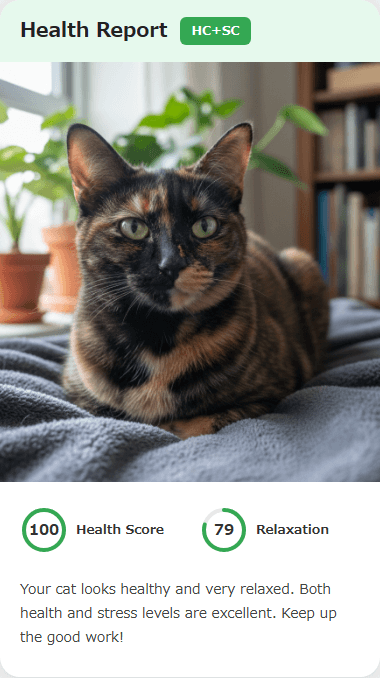

For senior cats, every day matters
Subtle changes can signal serious issues in older cats. CatsMe tracks behavior, appetite, and health scores so you can act fast.
Meer dan 380.000 katteneigenaren in 50 landen vertrouwen op CatsMe


Routine Health Screenings for Senior Cats
Ages 7–10: Twice-yearly wellness exams are recommended
- Blood panel (BUN, creatinine, SDMA, T4, glucose, CBC)
- Urinalysis (specific gravity, protein, occult blood)
- Blood pressure measurement
- Weight and Body Condition Score (BCS) evaluation
Ages 11+: Twice yearly plus additional diagnostics
- Add chest X-rays and abdominal ultrasound
- Cardiac ultrasound (especially for predisposed breeds)
Familiarizing yourself with how to read blood test results will help you get more out of these visits.
Annual screening costs roughly $150 to $350. It's not covered by pet insurance, but early detection can save you thousands in treatment costs down the road.
Rethinking Your Cat's Diet
Transitioning to senior cat food (around age 7):
- Slightly lower calories to match declining metabolism
- Maintain high-quality protein to prevent muscle loss
- Joint support ingredients (glucosamine and chondroitin)
- Omega-3 fatty acids for anti-inflammatory and cognitive benefits
If kidney health is a concern: Consult your vet about switching to a renal diet. See our kidney disease dietary guide for details.
If your cat is struggling to eat: Dental disease may be the culprit. Shift to primarily wet food, and try warming meals slightly to enhance the aroma.
Our cat food guide has more detailed nutrition advice.
Home Modifications & Cognitive Health
Joint-friendly home setup:
- Add intermediate steps to cat trees to reduce jump height
- Install ramps to beds and favorite perches
- Switch to a litter box with low sides for easy entry
- Provide warm bedding — joint pain worsens in the cold
Cognitive decline prevention:
- Keep the brain active through indoor exercise and interactive play
- Use puzzle feeders to add mental challenge to mealtimes
- Maintain daily routines while introducing mild novelty
- Consider DHA/EPA supplements (discuss with your vet)
Ongoing monitoring: Use the CatsMe app to track weight, appetite, and activity levels over time. Even gradual changes become visible in the data, helping you catch unexplained weight loss before it becomes a crisis.
Common Misconceptions About Senior Cat Care
These misconceptions about senior cat care can lead to preventable suffering and shortened lifespans.
"Low energy is just old age": This is the single most dangerous assumption senior cat owners make. In the majority of cases, an undiagnosed condition is responsible — kidney disease, thyroid disorders, arthritis, or dental pain being the most common culprits. Accepting lethargy as "normal aging" delays treatment for conditions that are often highly treatable when caught early. Always consult your vet rather than assuming age is the explanation.
"There's no need to change their food": Senior cats experience declining metabolism, muscle mass loss, and changes in kidney function that make adult-formula cat food nutritionally inappropriate. Around age 7, transition to a senior-specific diet that provides easier-to-digest protein, joint support ingredients, and appropriate calorie levels. Consult our cat food guide for detailed transition advice.
"Exercise is no longer necessary": Moderate physical activity becomes more important, not less, as cats age. Regular movement maintains muscle mass that protects joints, stimulates circulation, and provides cognitive benefits that may slow mental decline. The key is adjusting intensity — replace vigorous chase games with gentle wand toy sessions lasting 5 to 10 minutes daily.
"Twice-yearly checkups are excessive": Biannual health exams for cats over 7 are the internationally accepted standard of care, recommended by organizations including AAFP and ISFM. In the senior years, organ function can change significantly in just six months — catching a kidney value shift at the 6-month mark versus the 12-month mark can make the difference between dietary management and dialysis.
Practical Tips & How-To: Daily Senior Cat Care Routines
Here are actionable daily care routines tailored specifically for senior cats.
Feeding tips: If appetite is declining, warm wet food to body temperature to release its aroma — this simple trick can reignite interest in food for many senior cats. Use an elevated food bowl (or a dedicated feeding station) to reduce neck strain during meals. Switch from two large meals to three or four smaller servings throughout the day to aid digestion and maintain steady blood sugar.
Grooming assistance: Senior cats groom themselves less effectively, leading to matted fur, dandruff, and skin issues that go undetected. Daily brushing maintains coat health while giving you a chance to check for lumps, hair loss, skin changes, or tender spots that could indicate an underlying problem. Refer to our grooming guide for gentle techniques suited to older cats.
Nail care: Older cats scratch less frequently, causing nails to grow unchecked and curl into the paw pads. This is painful and can lead to infection. Check and trim nails every two to three weeks. Overgrown nails in senior cats are one of the most common — and most easily preventable — sources of pain.
Hydration management: Senior cats are at elevated dehydration risk due to declining kidney function. Place water bowls within easy reach of every resting area and consider pet water fountains to encourage drinking. Adequate hydration is one of the most effective measures for slowing kidney disease progression.
CatsMe Health Tracking for Comprehensive Senior Cat Management
The senior years are when CatsMe's health tracking delivers its greatest value — because gradual changes that signal serious conditions are nearly impossible to detect without longitudinal data.
Weight trends: Weight changes are often the earliest detectable sign of disease in senior cats. Monthly recordings reveal weight loss patterns that may indicate hyperthyroidism, diabetes, or kidney disease, as well as weight gain from declining metabolism or reduced activity. A change of just half a pound over three months is significant in a cat and warrants veterinary attention.
Food and water intake: Log changes in appetite, food preferences, and water consumption over time. "Drinking more than usual" is one of the first owner-detectable signs of kidney disease or diabetes — but only if you have a documented baseline to compare against. CatsMe makes that comparison effortless.
Behavioral patterns: Track activity levels, sleep duration, jumping frequency, and any nighttime vocalization. Nighttime yowling, disorientation, or staring at walls can indicate cognitive dysfunction syndrome — the feline equivalent of dementia. When you can show your vet a timeline of behavioral changes, they can distinguish normal aging from cognitive decline and recommend appropriate interventions.
Longitudinal test management: Store results from twice-yearly blood work and urinalysis in CatsMe. When multiple years of data accumulate, your veterinarian gains the ability to identify subtle directional trends in kidney values, thyroid levels, and blood glucose that would be invisible from any single test. This long-term perspective is the foundation of truly proactive senior cat care.
Kun je antwoorden op "sinds wanneer is dit aan de gang?"
Als de dierenarts het vraagt, wil je niet met lege handen staan. CatsMe registreert automatisch dagelijkse gezondheidsscores die je met één tik kunt delen.
シニア猫高齢猫健康管理食事認知症関節
FAQ
 CatsMe
Wees voorbereid op het moment dat je voelt dat er iets niet klopt
Eén foto is genoeg: de AI leest pijn en gezondheid af aan de uitdrukking van je kat. Controleer op het moment dat je twijfelt en deel het logboek met je dierenarts.