

How Much Sleep Is Normal for a Cat?
Cats sleep an average of 12 to 16 hours per day. This is because cats are crepuscular animals — they are naturally most active at dawn and dusk.
Sleep by age:
- Kittens (0–6 months): 18–20 hours — heavy sleep supports rapid growth
- Adults (1–7 years): 12–16 hours
- Seniors (7+ years): 16–20 hours — sleep increases with age
About 75% of a cat's sleep is light dozing (the origin of the word "catnap"), during which they can wake instantly. True deep sleep (REM) accounts for only about 1 to 2 hours per day.
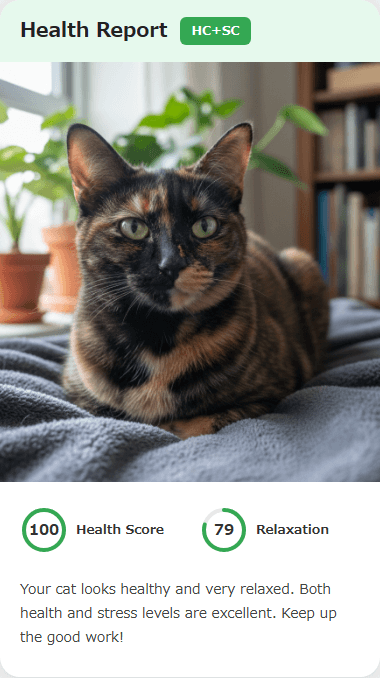

Your cat's daily companion
From grooming reminders to weight trends, CatsMe keeps your cat's care routine on track — all in one app.
Meer dan 380.000 katteneigenaren in 50 landen vertrouwen op CatsMe


What Sleeping Positions and Spots Reveal
Curled up in a ball: A protective posture that conserves heat. The cat is somewhat alert.
Belly up: Complete relaxation and trust in the environment. A strong body language signal of security.
Loaf position (tucked paws): Relaxed but ready to move at a moment's notice.
Sleeping on top of you: Combines warmth-seeking with a sense of safety. A sign of deep trust.
Elevated spots: Cats instinctively choose high perches for the safety of a good vantage point.
Hiding while sleeping: If your cat suddenly starts sleeping in unusual, concealed places, it may indicate that something is wrong health-wise.
Abnormal Sleep Patterns: When to See a Vet
Sudden increase in sleep: When accompanied by lethargy or loss of appetite, this may signal infection, anemia, kidney disease, or hypothyroidism.
Insomnia or restlessness: Can point to hyperthyroidism, pain, or cognitive dysfunction.
Disrupted sleep with nighttime crying: In senior cats, this often indicates cognitive decline.
Twitching during sleep: Small paw or whisker movements during dreams are normal. However, violent full-body convulsions may indicate seizures and require immediate veterinary attention.
Any sudden change in the quantity or quality of your cat's sleep warrants a wellness exam.
Step-by-Step Guide to Creating the Perfect Sleep Environment
Follow these steps to create an environment that promotes high-quality sleep for your cat.
Step 1: Multiple sleeping spots. Cats change sleeping locations several times a day. Place comfortable beds in 3–5 locations throughout the home, at both high and low elevations.
Step 2: Temperature control. Cats gravitate toward warm spots. Position beds near heat sources in winter. For senior cats, pet-safe heating pads provide additional comfort.
Step 3: Safe enclosed spaces. Covered beds, boxes, or shelf nooks give cats a sense of security while sleeping.
Step 4: Manage light and noise. As crepuscular animals, cats do not need total darkness. For elderly cats, nightlights near key areas prevent disorientation.
Step 5: Establish a pre-sleep routine. Play → eat → groom → sleep is a cat's natural cycle. Scheduling indoor exercise in the evening helps improve nighttime sleep quality.
Common Mistakes About Cat Sleep
Avoid these common mistakes related to cat sleep.
Mistake 1: Worrying about too much sleep. Sleeping 16 hours a day is normal for cats. Senior cats may sleep nearly 20 hours.
Mistake 2: Waking your cat. Interrupting deep sleep causes stress. Let your cat wake naturally.
Mistake 3: Punishing nighttime activity. This is a crepuscular instinct. Punishment is counterproductive — manage it with evening play sessions.
Mistake 4: Ignoring sleep pattern changes. Sudden shifts in sleep habits can signal illness. Track patterns to detect changes early.
Expert Tips for Healthy Cat Sleep
Veterinary experts recommend these strategies for improving your cat's sleep quality.
Increase daytime stimulation. Indoor exercise, puzzle feeders, and window birdwatching maintain daytime activity levels, which directly improve nighttime sleep quality.
Adjust feeding times. A small meal before bedtime promotes satiety and helps your cat sleep through the night.
In multi-cat households. Ensure each cat has their own dedicated sleeping area. Inter-cat tension directly impacts sleep quality.
Accommodate senior cats. For cats with arthritis, place beds at floor level. Memory foam beds reduce joint pressure and improve comfort during long rest periods.
When to Consult a Vet About Sleep Changes
Consider a veterinary visit if you observe any of these sleep-related changes.
Increased sleep combined with appetite loss. May indicate infection, anemia, or kidney disease.
Insomnia or nighttime restlessness. Signs of hyperthyroidism, pain, or cognitive dysfunction, particularly concerning in senior cats.
Abnormal breathing during sleep. Snoring, rapid breathing, or open-mouth breathing are all abnormal signs that warrant evaluation.
Violent full-body convulsions. Unlike normal dream-related twitching, sustained whole-body seizures may indicate epilepsy. Record a video to show your veterinarian.
Kun je antwoorden op "sinds wanneer is dit aan de gang?"
Als de dierenarts het vraagt, wil je niet met lege handen staan. CatsMe registreert automatisch dagelijkse gezondheidsscores die je met één tik kunt delen.
睡眠寝る行動健康管理
FAQ
 CatsMe
Wees voorbereid op het moment dat je voelt dat er iets niet klopt
Eén foto is genoeg: de AI leest pijn en gezondheid af aan de uitdrukking van je kat. Controleer op het moment dat je twijfelt en deel het logboek met je dierenarts.